
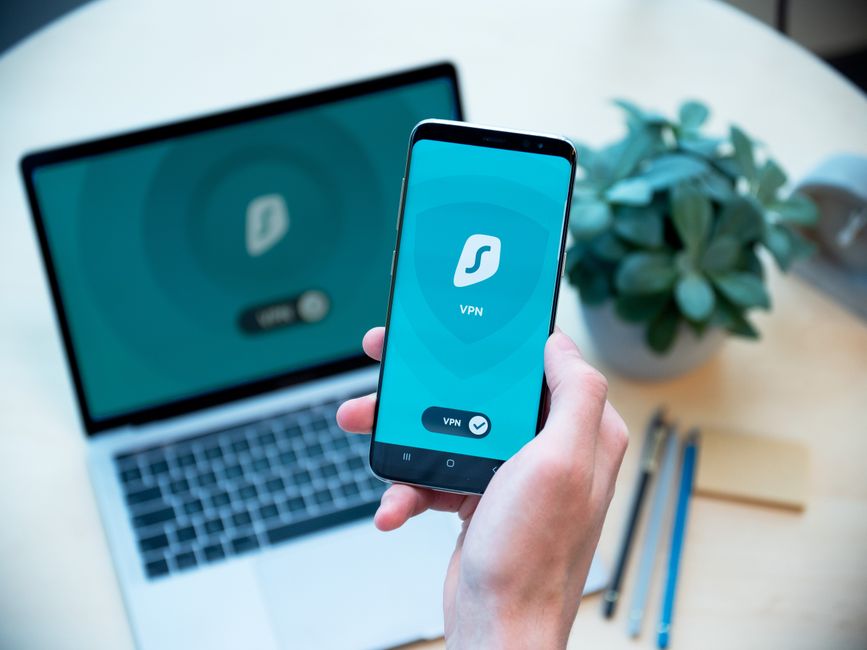
In an era where online privacy and security have become paramount, Virtual Private Network (VPN) services have surged in popularity. These services provide users with a layer of encryption and anonymity, allowing them to browse the internet safely and securely. But what exactly is a VPN, and how can it benefit you? In this article, we will explore the various aspects of VPN services, their importance, and how to choose the right one for your needs.
What is a VPN?
A Virtual Private Network (VPN) is a technology that creates a secure and encrypted connection over a less secure network, such as the Internet. Through the use of a VPN service, users can mask their IP addresses, making it difficult for third parties to track their online activities. This technology is particularly beneficial for those who frequently use public Wi-Fi networks, as these networks are often vulnerable to cyber attacks.
VPNs can also help users access geo-restricted content. For example, if you are traveling abroad and wish to access your favorite streaming services that are only available in your home country, a VPN can help you bypass these restrictions by making it appear as though you are browsing from the desired location.
Why Do You Need a VPN?
As the digital landscape continues to evolve, the need for online security has never been more critical. According to a report by Cybersecurity Ventures, cybercrime is expected to cost the world $10.5 trillion annually by 2025. This staggering figure highlights the importance of protecting your personal information from potential threats.
One of the primary reasons for using a VPN is to enhance your privacy. With increasing concerns over data collection by governments and corporations, a VPN can help safeguard your browsing history and personal information. Additionally, VPNs are essential for users who regularly engage in remote work, as they allow for secure access to company networks and resources.
Choosing the Right VPN Service
With numerous VPN providers available, selecting the right one can be a daunting task. Here are some key factors to consider when choosing a VPN service:
- Security Features: Look for a VPN with strong encryption standards, a no-logs policy, and additional features like a kill switch and DNS leak protection.
- Speed and Performance: A good VPN should not significantly slow down your internet connection. Check for reviews and speed test results to ensure optimal performance.
- Server Locations: The availability of servers in various countries allows you to access content from around the world. Ensure your chosen VPN has servers in the locations you need.
- Customer Support: Reliable customer support can be invaluable, especially if you encounter technical issues or need assistance setting up the VPN.
- Price: While there are free VPN options available, they often come with limitations. Investing in a reputable paid service can provide better security and features. For a comprehensive list of the best options, check out this VPN service guide.
Common Misconceptions About VPNs
Despite their many benefits, there are several misconceptions surrounding VPN services. One common myth is that VPNs guarantee complete anonymity online. While they do provide a layer of privacy, it’s essential to remember that no service can offer absolute anonymity. Users should still exercise caution when sharing personal information online.
Another misconception is that all VPNs slow down internet speeds. While some may experience a slight reduction in speed due to encryption, many premium VPN services are designed to maintain high-speed connections. Thus, it’s crucial to choose a reputable provider.
The Future of VPN Services
The future of VPN services looks promising as more individuals and organizations recognize the importance of online privacy. With the rise of remote work and an increasing number of cyber threats, VPNs will play a pivotal role in safeguarding digital identities.
Moreover, advancements in technology may lead to even more robust security features and user-friendly interfaces, making VPNs accessible to a broader audience. As the regulatory landscape around data privacy continues to evolve, VPN services will remain an essential tool for protecting personal information in an increasingly interconnected world.
Conclusion
In conclusion, VPN services offer a vital layer of security and privacy in our digital lives. Whether you’re looking to protect your personal information, access geo-restricted content, or ensure secure remote work, a VPN can fulfill these needs effectively. By understanding the fundamentals of VPN technology and considering essential factors when selecting a provider, you can enhance your online experience while keeping your data safe. As we move forward in a digital-first world, investing in a reliable VPN service is not just an option; it’s a necessity.
About the Author