The construction and renovation industry is multifaceted, requiring various specialized roles to ensure the successful completion of projects. Among these roles, demolition contractors play a vital part, often overlooked in discussions about building and remodeling. Their expertise is crucial for safely and efficiently tearing down structures, preparing sites for new developments, and adhering to environmental regulations. This article explores the essential functions, responsibilities, and considerations when hiring a demolition contractor.
What Does a Demolition Contractor Do?
A demolition contractor is primarily responsible for the dismantling of buildings and structures. Their work goes beyond simply bringing down walls; it involves careful planning and execution to ensure safety and compliance with local laws. Demolition contractors assess the site, identify hazardous materials, and create a detailed plan for the demolition process. This includes deciding on the methods of demolition to be used, such as mechanical demolition, deconstruction, or implosion.
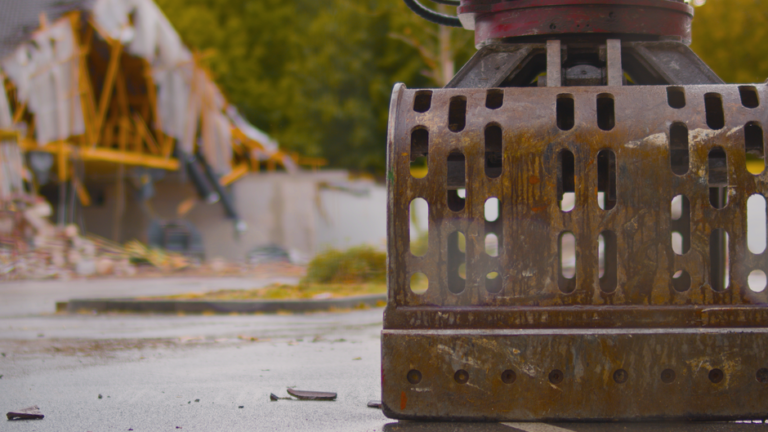
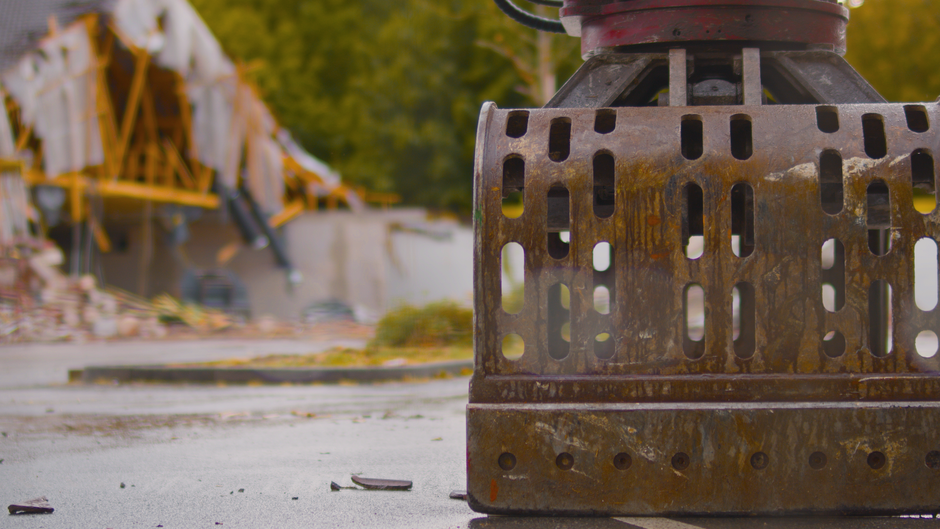
For instance, a demolition contractor may utilize heavy machinery to take down large structures or employ manual labor for smaller buildings. They are also trained to work with various materials, ensuring that hazardous waste, like asbestos or lead, is handled properly. The contractor must coordinate with engineers and architects to ensure that the demolition aligns with future construction plans.
The Importance of Safety in Demolition
Safety is paramount in demolition work. The job presents numerous risks, including falling debris, exposure to hazardous materials, and potential accidents involving machinery. A reputable demolition contractor prioritizes safety protocols and is equipped with the necessary safety gear and equipment to protect workers and the surrounding community.
According to the Occupational Safety and Health Administration (OSHA), demolition is one of the most dangerous construction activities, with a high rate of workplace injuries. Therefore, contractors must follow strict guidelines and provide training for their workers. This includes conducting safety meetings, performing risk assessments, and ensuring that all team members are aware of emergency procedures.
Choosing the Right Demolition Contractor
When selecting a demolition contractor, it is essential to consider various factors to ensure a successful project. First, check the contractor’s credentials, including licenses and insurance. A licensed contractor is more likely to adhere to safety standards and regulations.
Furthermore, ask for references and review past projects. A reliable contractor will have a portfolio showcasing their work and client testimonials that speak to their professionalism and efficiency. It is also wise to obtain multiple quotes to compare pricing and services offered.
Communication is another critical element. A good contractor should be transparent about the demolition process, timelines, and potential challenges. They should be willing to answer questions and provide updates throughout the project. For those looking for a reliable option, consider reaching out to a demolition contractor with a proven track record.
Environmental Considerations
In recent years, environmental concerns have taken center stage in the construction industry. Demolition contractors must be aware of the environmental impact of their work and strive to minimize it. This includes recycling materials whenever possible and properly disposing of hazardous waste.
For example, concrete and metal can often be recycled and reused in new construction projects. Additionally, many municipalities have regulations regarding the disposal of certain materials, so it is the contractor’s responsibility to ensure compliance with these laws.
Moreover, some contractors are now incorporating sustainable practices into their operations, such as using eco-friendly demolition methods or promoting deconstruction instead of traditional demolition. Deconstruction involves carefully dismantling a building to salvage materials for reuse, which significantly reduces waste and environmental impact.
The Future of Demolition Contractors
The role of demolition contractors is evolving, influenced by advancements in technology and changing regulations. Innovations such as drones for site assessment and advanced machinery for safer demolition are becoming more prevalent. These technologies enhance efficiency and safety, allowing contractors to complete projects more effectively.
Furthermore, as the focus on sustainability continues to grow, demolition contractors may find themselves in high demand for projects that emphasize eco-friendly practices. This shift presents an opportunity for contractors to differentiate themselves by adopting green methods and showcasing their commitment to environmental responsibility.
In conclusion, demolition contractors play a critical role in the construction industry. Their expertise ensures that structures are dismantled safely and efficiently, paving the way for new developments. By prioritizing safety, environmental considerations, and choosing the right contractor, project owners can navigate the demolition process with confidence.
Conclusion
Understanding the scope of work and responsibilities of demolition contractors is essential for anyone considering a construction or renovation project. With their specialized skills and knowledge, these professionals are crucial for ensuring that demolition is performed safely and effectively. As the industry continues to evolve, staying informed about best practices and advancements in technology will help project owners make sound decisions when hiring a demolition contractor.
About the Author