
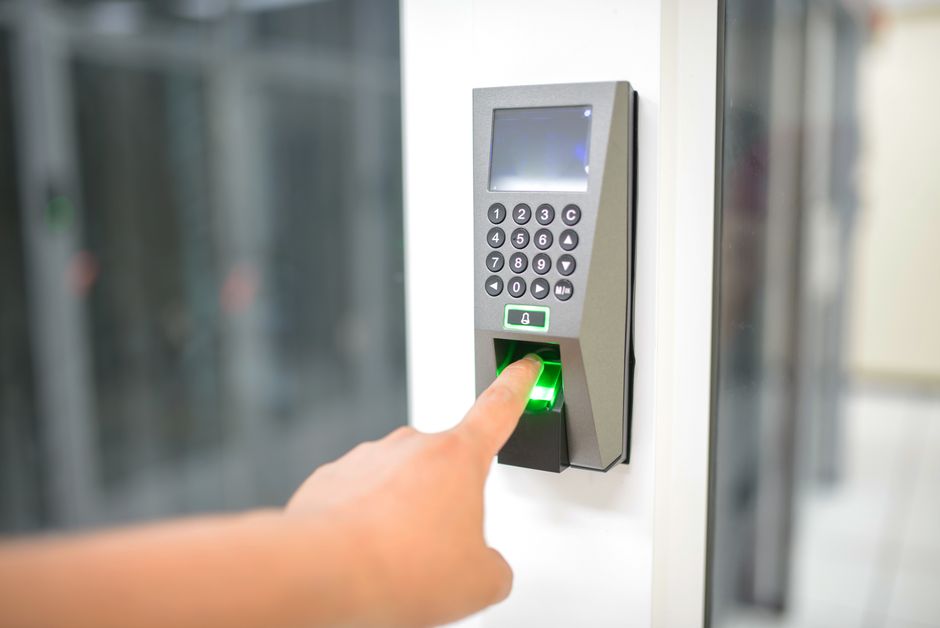
In today’s increasingly digital world, the importance of security cannot be overstated. Organizations, businesses, and individuals are constantly seeking effective ways to safeguard their assets, both physical and digital. One of the most critical components in achieving this security is the implementation of access control systems. These systems serve as the gatekeepers, ensuring that only authorized individuals can access certain resources. In this article, we will delve into the various aspects of access control systems, including their types, benefits, and best practices for implementation.
Understanding Access Control Systems
Access control systems are security measures designed to manage who can access specific resources within an organization. They utilize a combination of hardware and software to provide a structured approach to security. There are several key components of access control systems, including identification, authentication, and authorization.
Identification involves recognizing a user’s identity, typically through a username or ID card. Authentication validates this identity, often through passwords, biometric scans, or security tokens. Finally, authorization determines what resources a user can access, based on predefined rules and policies.
These systems can be applied in various environments, from corporate offices to residential buildings. With advancements in technology, access control systems have evolved from simple lock and key mechanisms to sophisticated digital solutions that offer enhanced security features.
Types of Access Control Systems
Access control systems can be categorized into three main types: discretionary access control (DAC), mandatory access control (MAC), and role-based access control (RBAC).
Discretionary access control allows data owners to decide who can access specific resources. This flexibility makes DAC popular in smaller organizations where users have varying levels of trust.
Mandatory access control, on the other hand, is more rigid. It enforces strict policies that cannot be altered by users, making it suitable for environments requiring high security, such as government agencies.
Lastly, role-based access control assigns permissions based on user roles within an organization. This method simplifies management and is particularly effective in larger organizations where many users require access to similar resources.
Benefits of Implementing Access Control Systems
Implementing an access control system can yield numerous benefits for organizations. First and foremost, it enhances security by preventing unauthorized access to sensitive information and resources. This is crucial in industries such as healthcare and finance, where data breaches can lead to significant legal and financial repercussions.
Additionally, access control systems aid in compliance with regulations. Many industries are subject to strict data protection laws, and having robust security measures in place can help organizations avoid hefty fines.
Moreover, access control systems improve operational efficiency. By automating access management, organizations can reduce the administrative burden associated with manual processes, allowing staff to focus on more strategic tasks.
For instance, a large corporation can implement an access control system that automatically grants or revokes access based on employment status, thereby streamlining the onboarding and offboarding processes.
Best Practices for Implementation
To maximize the effectiveness of access control systems, organizations should follow several best practices during implementation. First, it is essential to conduct a thorough risk assessment to identify the most critical assets that require protection.
Next, organizations should establish clear access policies that outline who can access what resources and under what conditions. These policies should be regularly reviewed and updated to adapt to changing organizational needs.
Furthermore, training employees on the importance of security and the proper use of access control systems is vital. Employees should understand the implications of their access and the best practices to follow to maintain security.
Finally, organizations should consider integrating their access control systems with other security measures, such as surveillance cameras and alarm systems. This holistic approach can create a more secure environment that deters unauthorized access.
The Future of Access Control Systems
The landscape of access control systems is continuously evolving, driven by technological advancements. Innovations such as artificial intelligence (AI) and machine learning are paving the way for smarter security solutions.
For example, AI can analyze user behavior and detect anomalies that may indicate a security breach. This proactive approach allows organizations to respond to potential threats before they escalate.
Additionally, the rise of cloud computing has made it easier for organizations to implement scalable access control solutions. Cloud-based systems can be managed remotely, offering flexibility and reducing the need for extensive on-site infrastructure.
As the demand for security continues to grow, the development of more advanced access control systems will likely lead to even greater enhancements in security measures, making it an exciting field to watch.
Conclusion
Access control systems are a fundamental aspect of modern security strategies, providing organizations with the tools they need to protect their assets. By understanding the different types of access control, their benefits, and best practices for implementation, businesses can create a robust security framework that safeguards their resources. As technology continues to advance, staying informed about the latest trends in access control systems will be crucial for any organization looking to enhance its security posture. For more detailed information, you can explore the access control system literature available online.
About the Author