In recent years, the fashion industry has witnessed an unprecedented shift towards customization and personalization. As consumers increasingly seek unique and tailored clothing options, the demand for custom clothing manufacturers has surged. This article explores the dynamics of this growing sector, the advantages it offers to both brands and consumers, and the future trends shaping custom apparel.
Understanding the Custom Clothing Manufacturing Process
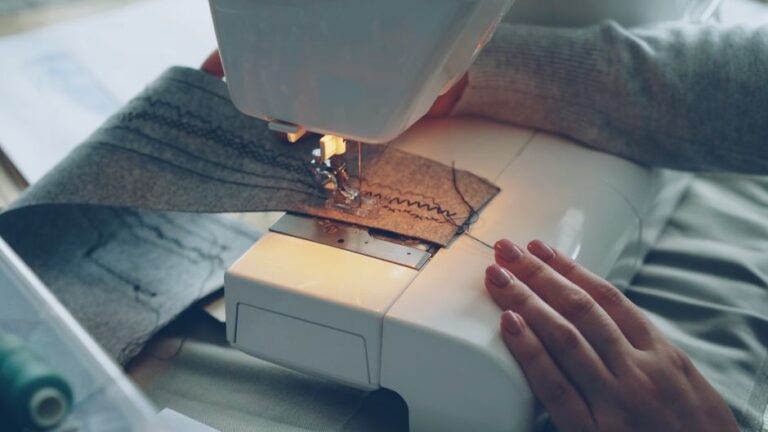
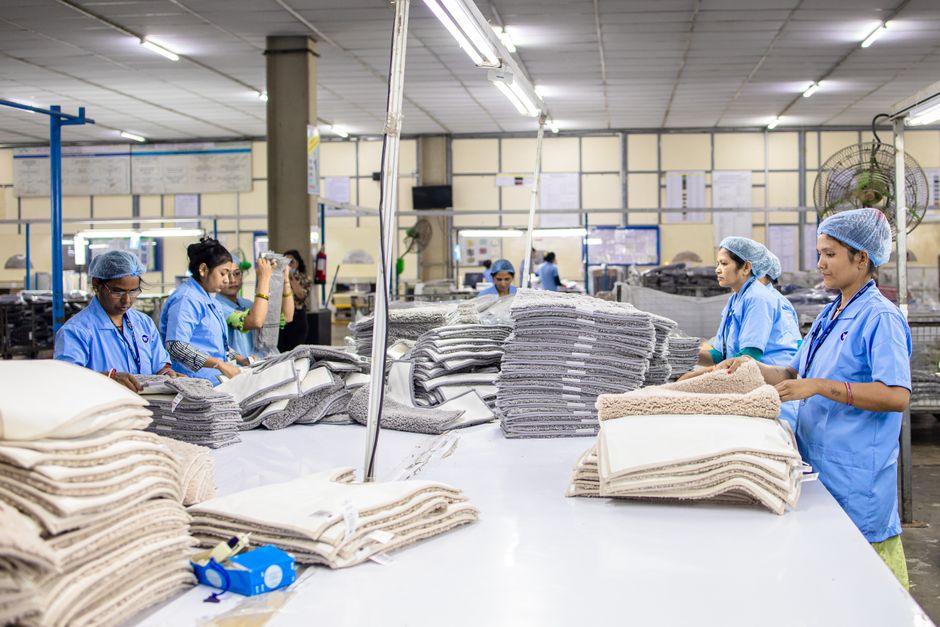
Custom clothing manufacturing involves creating garments that are tailored to the specific needs and preferences of consumers. This process typically begins with the design phase, where brands collaborate with designers or use design software to create unique apparel. After finalizing designs, manufacturers source materials and begin production.
One of the key benefits of working with a custom clothing manufacturer is the ability to control the quality and sustainability of materials used. Many manufacturers now offer eco-friendly fabric options, which is increasingly appealing to environmentally conscious consumers. This customization extends beyond just fabric choices; brands can also select specific cuts, colors, and embellishments to create a truly one-of-a-kind piece.
Additionally, the use of technology in the manufacturing process, such as 3D printing and automated cutting machines, has streamlined production and reduced lead times. This efficiency allows brands to respond quickly to changing fashion trends, ensuring they meet consumer demands without compromising on quality.
The Benefits of Custom Clothing for Brands
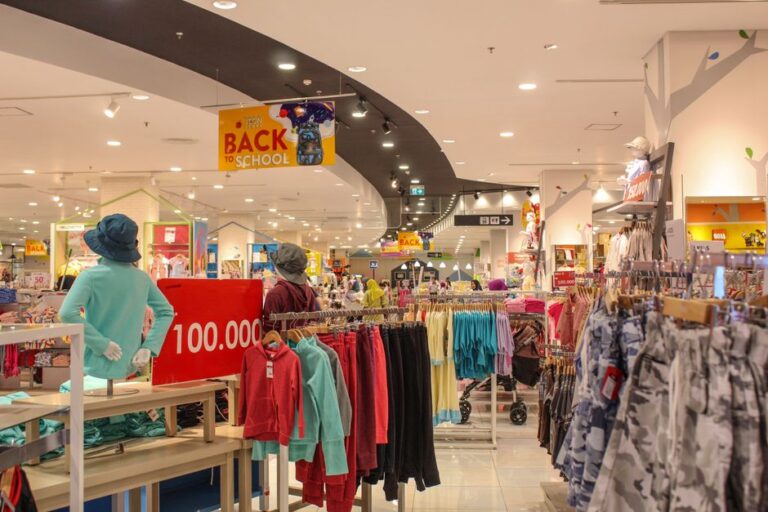
For fashion brands, partnering with custom clothing manufacturers presents several advantages. Firstly, it enables them to differentiate their offerings in a saturated market. As consumers become more discerning and seek individuality in their wardrobes, brands that provide customized options can stand out and attract a loyal customer base.
Furthermore, custom clothing allows brands to minimize overproduction, a significant issue in the fashion industry that contributes to waste. By producing items based on actual consumer demand, brands can operate more sustainably while also improving their bottom line.
Furthermore, brands that embrace customization often see higher profit margins. Consumers are typically willing to pay a premium for personalized garments, which can result in increased revenue for brands that effectively market their unique offerings.
Consumer Trends Driving the Demand for Custom Apparel
Several consumer trends are contributing to the rise in demand for custom clothing. One significant factor is the growing desire for self-expression. Today’s shoppers want their clothing to reflect their individuality, and custom apparel provides the perfect solution. Consumers are increasingly turning to brands that offer bespoke options, as they allow for personal storytelling through fashion.
Additionally, the rise of social media has amplified this trend. Platforms like Instagram and TikTok encourage users to showcase their unique styles, and custom clothing fits perfectly into this narrative. Influencers and fashion enthusiasts often highlight brands that offer personalized options, further driving consumer interest.
Another trend is the shift towards casual and athleisure wear, particularly accelerated by the pandemic. As people spend more time at home, they seek comfortable yet stylish clothing. Custom manufacturers can cater to this demand by creating versatile pieces that blend comfort with individuality.
The Future of Custom Clothing Manufacturing
As technology continues to evolve, the future of custom clothing manufacturing looks promising. Advancements in artificial intelligence and machine learning are set to revolutionize the design and production process. For instance, AI can analyze consumer preferences and trends, enabling brands to create designs that resonate with their target audience.
Moreover, the integration of augmented reality (AR) can enhance the shopping experience by allowing consumers to visualize how custom garments will look on them before making a purchase. This technology can reduce return rates and increase customer satisfaction.
Finally, as sustainability becomes a priority in fashion, custom clothing manufacturers are in a prime position to lead the charge. By focusing on ethical production practices and offering eco-friendly materials, these manufacturers can appeal to the growing demographic of conscious consumers.
Conclusion
The custom clothing manufacturing sector is transforming the fashion landscape, providing brands and consumers with unique opportunities to express individuality and promote sustainability. As the demand for personalized apparel continues to rise, brands that leverage custom manufacturers will likely thrive in this dynamic environment. Embracing customization not only meets consumer desires for uniqueness but also fosters a more responsible and sustainable fashion industry.
About the Author