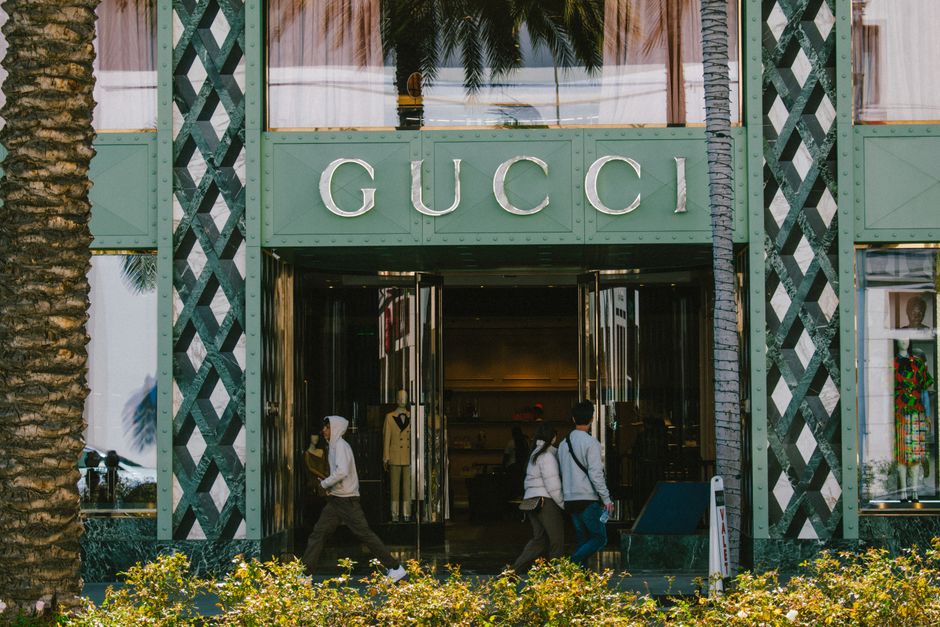
In recent years, the luxury fashion market has undergone a significant transformation, leading to the emergence of luxury brand resellers. These businesses have changed the way consumers view luxury items, making high-end fashion more accessible than ever before. With the proliferation of online platforms and the growing acceptance of pre-owned goods, the luxury resale market is thriving.
Understanding Luxury Brand Reselling
Luxury brand reselling involves the buying and selling of high-end fashion items, including clothing, handbags, and accessories, often at a fraction of their original price. This practice caters to a wide range of consumers, from fashion enthusiasts looking for rare items to budget-conscious shoppers seeking quality products. The appeal of luxury brand resellers lies in their ability to offer authentic products at competitive prices, while also promoting sustainable fashion practices.
The global luxury resale market was valued at approximately $24 billion in 2022 and is projected to reach over $77 billion by 2025. This growth is driven by factors such as changing consumer attitudes towards ownership, sustainability concerns, and the increasing popularity of online shopping. As a result, many traditional luxury brands are starting to embrace the resale model, recognizing the benefits it brings to both their brand image and their bottom line.
The Role of Technology in Luxury Resale
Technology plays a crucial role in the luxury brand resale market. Online platforms and mobile applications have simplified the buying and selling process, allowing consumers to easily access a wide variety of luxury items. Many resellers utilize advanced authentication processes, such as AI and machine learning, to ensure the legitimacy of the products they sell, thereby building trust with their customers.
Furthermore, social media has become a powerful marketing tool for luxury brand resellers. Platforms like Instagram and TikTok allow these businesses to showcase their inventory and reach a broader audience. Influencers and fashion bloggers often collaborate with resellers to promote their products, tapping into their followers’ desire for exclusive, high-quality fashion pieces.
The Benefits of Buying from Resellers
Purchasing from a luxury brand reseller offers numerous advantages. First and foremost, consumers can find unique items that may no longer be available in traditional retail stores. Many resellers specialize in rare or limited-edition pieces, making it easier for fashion enthusiasts to build their dream wardrobes.
Additionally, buying pre-owned luxury items is often more affordable than purchasing new products. Many consumers are willing to invest in high-quality pieces, knowing they can recoup some of their investment by reselling them in the future. This creates a circular economy, where luxury items are reused and valued over time.
Moreover, opting for pre-owned luxury goods can be an environmentally conscious choice. The fashion industry is one of the largest polluters globally, and by choosing to buy second-hand items, consumers contribute to reducing waste and promoting sustainability.
Challenges in the Luxury Resale Market
Despite its rapid growth, the luxury brand resale market faces several challenges. One major concern is the prevalence of counterfeit products. While many reputable resellers have implemented strict authentication processes, the risk of purchasing fake items still exists, particularly on peer-to-peer platforms.
Additionally, the luxury resale market is still perceived by some as less prestigious than purchasing directly from luxury brands. This perception can deter potential buyers who value exclusivity and brand heritage. However, as more consumers begin to recognize the benefits of resale, this stigma is slowly fading.
Conclusion: The Future of Luxury Brand Reselling
The future of luxury brand reselling looks promising, with continued growth expected in the coming years. As consumer attitudes shift towards sustainability and accessibility, luxury brand resellers are poised to play a crucial role in the fashion industry. Businesses that adapt to the changing landscape, prioritize authenticity, and leverage technology will thrive in this evolving market.
In conclusion, the rise of luxury brand resellers signifies a new era in fashion consumption. By making high-quality, authentic luxury items more accessible, these businesses not only cater to a diverse range of consumers but also contribute to a more sustainable and circular fashion economy. As the market continues to grow, it will be essential for both consumers and brands to embrace this change and recognize the value that luxury brand resellers bring to the table. For those looking to explore the world of luxury resale, a trusted luxury brand reseller can be a fantastic starting point.
About the Author