When it comes to furnishing a child’s room, parents often find themselves overwhelmed by the sheer variety of choices available. The process of selecting furniture that is not only functional but also stylish and safe can be daunting. In this article, we will explore the essential elements of a kids furniture store, including what to look for in products, current trends, and tips for creating a delightful shopping experience.
Understanding the Needs of Children
Before diving into the world of kids furniture, it’s crucial to understand the specific needs of children. Kids grow rapidly, and their furniture needs to adapt to their changing requirements. Safety is paramount; thus, parents should prioritize materials that are free of harmful chemicals and have rounded edges to prevent injuries.
Moreover, children thrive in environments that stimulate their creativity and imagination. Bright colors, unique designs, and multifunctional pieces can help create a space that encourages play and learning. For instance, a bed that doubles as a playhouse not only saves space but also serves as a fun element in the room.
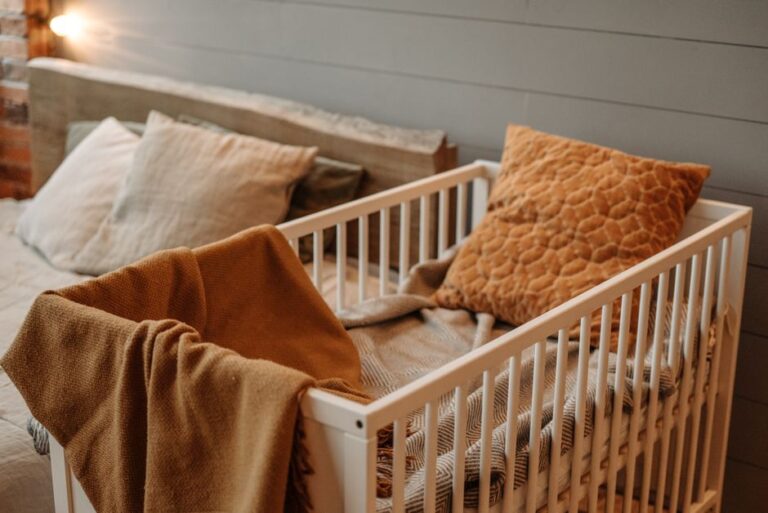
Additionally, consider the longevity of the furniture. Investing in pieces that can grow with the child, such as convertible cribs or adjustable desks, can be a wise financial decision. This foresight can help avoid the need for frequent replacements, making it a sustainable choice for families.
Current Trends in Kids Furniture
As with any industry, kids furniture trends evolve over time. Currently, there is a significant shift towards eco-friendly materials. Many parents are now seeking sustainable options that minimize environmental impact. Furniture made from reclaimed wood or recycled materials is gaining popularity, as it aligns with the values of environmentally conscious families.
Another trend is the incorporation of technology into furniture design. Smart furniture, such as beds with built-in charging stations or desks equipped with LED lighting, is becoming increasingly popular. This integration not only caters to the tech-savvy generation but also helps parents manage their children’s screen time more effectively.
Moreover, personalization is a key aspect of modern kids furniture. Many stores now offer customizable options, allowing children to choose colors, patterns, and even their favorite themes. This personal touch can make a child feel more connected to their space, fostering a sense of ownership and pride.
Tips for Shopping at a Kids Furniture Store
When visiting a kids furniture store, having a clear plan can significantly improve the shopping experience. Start by measuring the room to ensure that the selected furniture will fit perfectly. It is also wise to create a mood board with color schemes and design inspirations that resonate with your child.
Don’t hesitate to involve your child in the decision-making process. Allowing them to choose certain elements, such as bedding or decorative accessories, can make them feel more included and excited about their new space. This engagement can also lead to a better understanding of their preferences and needs.
While browsing, pay attention to the quality of the materials used. Strong construction and durable finishes will ensure that the furniture withstands the wear and tear that comes with childhood. A reputable kids furniture store will often provide information about the materials used, ensuring that you can make informed decisions.
Creating an Inviting Shopping Environment
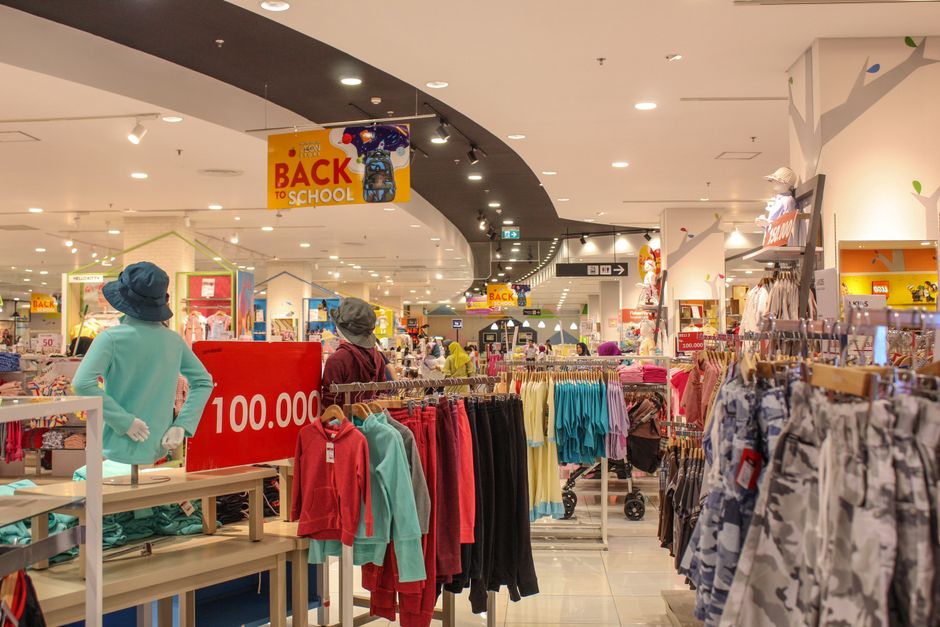
The atmosphere of a kids furniture store can greatly impact the shopping experience. Stores that are designed to be child-friendly, with play areas or interactive displays, can make the process more enjoyable for both parents and children. A welcoming environment encourages exploration and creativity, allowing families to envision how the furniture will fit into their homes.
Additionally, knowledgeable staff can provide valuable insights and recommendations based on the specific needs of the family. Engaging with customers in a friendly and informative manner can foster trust and enhance the overall shopping experience.
Finally, consider the importance of after-purchase support. Reliable delivery services and assembly options can ease the burden for parents, ensuring that the transition to new furniture is smooth and hassle-free.
Conclusion
In summary, selecting furniture for children requires careful consideration of safety, functionality, and design. Understanding current trends and being involved in the shopping process can lead to a more satisfying experience for both parents and kids. By choosing pieces from a reputable kids furniture store, families can create a beautiful and practical environment that nurtures growth and creativity.
About the Author