The world of design and visualization has undergone a remarkable transformation in recent years, largely due to advancements in 3D rendering services. From architecture to product development, these services are revolutionizing the way we create and perceive visual content. In this article, we will explore the various aspects of 3D rendering, its applications, and why it is an indispensable tool for modern businesses.
Understanding 3D Rendering
3D rendering is the process of creating a two-dimensional image or animation from a three-dimensional model using computer software. This technique allows designers and artists to visualize their concepts in a realistic manner before they are constructed or manufactured. With 3D rendering, intricate details such as lighting, shadows, and textures can be accurately represented, making it an essential part of the design process.
There are various types of 3D rendering techniques, including photorealistic rendering, non-photorealistic rendering, and real-time rendering. Each of these techniques serves different purposes and is suited for various applications. For instance, photorealistic rendering is commonly used in architectural visualizations, while non-photorealistic rendering is often employed in animations and artistic projects.
As the demand for high-quality visuals continues to rise, businesses are increasingly turning to 3D rendering services to meet their needs. This shift is driven by the desire to provide clients with immersive experiences and accurate representations of products or designs.
Applications of 3D Rendering Services
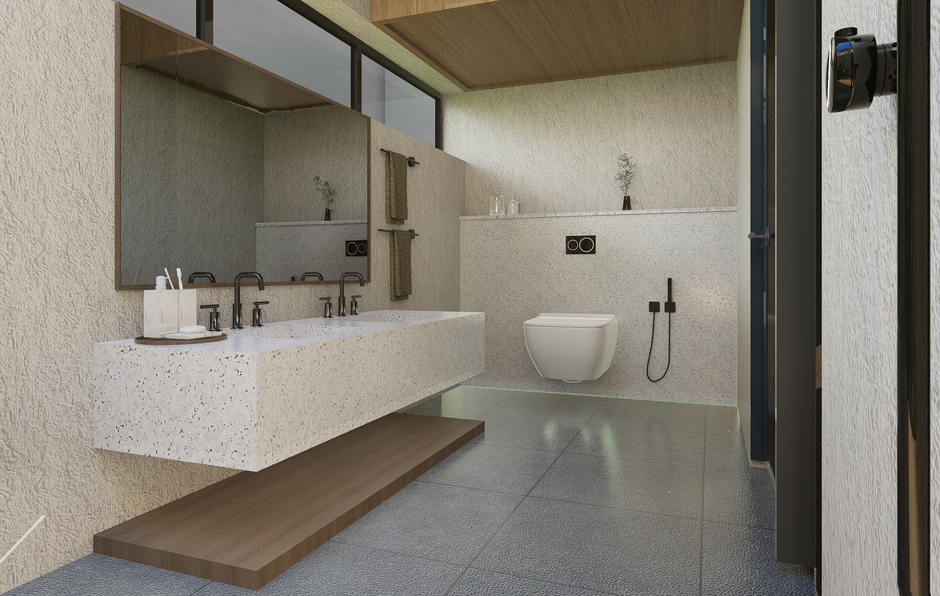
3D rendering services have found applications in a diverse array of industries, including architecture, real estate, product design, and entertainment. In architecture, 3D rendering is used to create stunning visualizations of buildings and spaces, allowing architects and clients to explore designs before construction begins.
In the real estate sector, 3D renderings help agents present properties in a more enticing manner. High-quality visuals can significantly enhance property listings, making them more appealing to potential buyers. Statistics show that properties with 3D renderings sell 30% faster than those without.
Similarly, in product design, 3D rendering enables designers to create prototypes and showcase products effectively. This not only saves time and resources but also allows for adjustments and improvements to be made based on visual feedback.
The Benefits of Using 3D Rendering Services
One of the primary benefits of utilizing 3D rendering services is the ability to visualize designs accurately. This leads to better communication between designers, clients, and stakeholders, as everyone can see a realistic representation of the project. Consequently, this minimizes misunderstandings and ensures that the final product aligns with the client’s vision.
Another significant advantage is the cost-effectiveness of 3D rendering. Traditional methods of creating physical models can be time-consuming and expensive. In contrast, digital renderings allow for swift alterations and iterations without incurring additional costs. This flexibility is especially beneficial in fast-paced industries where time-to-market is critical.
Moreover, 3D renderings enhance marketing efforts. Businesses can use these visuals in promotional materials, websites, and social media campaigns, attracting more attention and engagement from their target audience. High-quality images tend to generate more interest and can lead to increased sales.
Choosing the Right 3D Rendering Service Provider
When selecting a 3D rendering service provider, it is crucial to consider several factors, including their portfolio, client reviews, and the technologies they use. A strong portfolio showcases the provider’s ability to deliver high-quality visuals that meet industry standards.
Additionally, it’s essential to communicate your specific needs and expectations clearly. A reliable rendering service will work closely with you to understand your vision and provide tailored solutions. Be sure to inquire about their workflow and turnaround times, as these can vary significantly between providers.
Lastly, consider the cost of services. While it can be tempting to choose the cheapest option, remember that quality often comes at a price. Investing in a reputable 3D rendering service can yield significant returns in terms of improved visuals and enhanced client satisfaction.
Conclusion
In conclusion, 3D rendering services are transforming the way businesses approach design and visualization. By providing realistic representations of concepts, these services facilitate better communication, enhance marketing efforts, and ultimately contribute to the success of projects across various industries. As technology continues to evolve, the potential of 3D rendering will only expand, making it a vital tool for any business looking to stay competitive in today’s visual-centric market.
About the Author