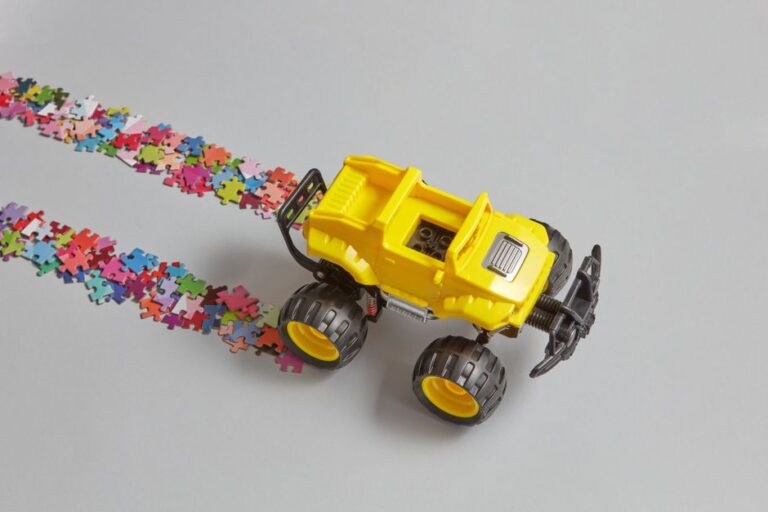

In today’s digital landscape, the importance of captivating visuals cannot be overstated. Whether in architecture, product design, or marketing, the ability to present ideas through stunning imagery is crucial. This is where 3D rendering services come into play, offering innovative solutions that enhance the way we visualize concepts. From realistic architectural models to intricate product designs, 3D rendering has revolutionized industries by providing a tangible representation of ideas before they come to life.
What is 3D Rendering?
3D rendering is the process of creating a two-dimensional image from a three-dimensional model using computer software. This technology allows designers and architects to visualize spaces and objects in a realistic manner. The models can be manipulated and rendered in various lighting conditions to showcase different perspectives. This process is not limited to just visual appeal; it also aids in understanding spatial relationships and design functionality.
There are two primary types of rendering: real-time rendering and pre-rendering. Real-time rendering is used in video games and simulations, where images are generated on-the-fly based on user interaction. Pre-rendering, however, is often used in architectural visualizations and animated films, where each frame is meticulously crafted for optimal quality. Both methods have their unique applications and advantages, making them essential tools in the visual design process.
The Benefits of 3D Rendering Services
One of the most significant advantages of utilizing 3D rendering services is the ability to create high-quality visuals quickly. Clients can see realistic representations of their projects early in the design phase, allowing for immediate feedback and adjustments. This not only saves time but also reduces costs associated with making changes later in the development process.
Moreover, 3D rendering enhances marketing efforts by providing eye-catching visuals that can be used across various platforms. High-quality images and animations can attract potential clients and investors, making presentations more persuasive. For instance, real estate companies often use 3D renderings to showcase properties before they are built, allowing buyers to visualize their future homes.
Applications of 3D Rendering
3D rendering services find applications in numerous fields. In architecture, they are used to create realistic models of buildings, giving clients an immersive experience of the space before construction begins. This helps in identifying potential issues and making informed decisions.
In product design, 3D rendering allows designers to visualize and test products in various environments and scenarios. For example, a company launching a new piece of technology can create a 3D model to showcase the product’s features and aesthetics, even before it goes into production. This approach not only facilitates design validation but also enhances marketing strategies through compelling visuals.
Choosing the Right 3D Rendering Service
When selecting a 3D rendering service, it’s essential to consider several factors. Firstly, examine the portfolio of the service provider to assess the quality and style of their work. A diverse portfolio that showcases various projects indicates versatility and expertise.
Additionally, communication is key. Ensure that the service provider understands your vision and can translate it into a visually appealing rendering. A collaborative approach often yields the best results, as it allows for adjustments and refinements throughout the process.
Lastly, consider the technology and software used by the rendering service. Advanced tools can significantly enhance the quality of the final product, so it’s worth investing in a provider that utilizes cutting-edge technology.
Future Trends in 3D Rendering
As technology continues to evolve, the future of 3D rendering looks promising. Innovations such as virtual reality (VR) and augmented reality (AR) are beginning to integrate with traditional rendering practices, offering even more immersive experiences. For instance, clients can use VR headsets to walk through a virtual space, experiencing the design in a way that static images cannot replicate.
Moreover, advancements in artificial intelligence (AI) are streamlining the rendering process, allowing for quicker generation of high-quality images. These trends suggest that the demand for 3D rendering services will only grow as industries seek to enhance their visual communication.
Conclusion
In conclusion, 3D rendering services are transforming the way we visualize and communicate ideas across various industries. With the ability to create stunning, realistic images, these services not only facilitate design processes but also enhance marketing strategies. As technology continues to advance, the potential applications and benefits of 3D rendering will expand, making it an indispensable tool in the modern design landscape. For those looking to elevate their visual presentations, exploring 3D rendering services is a step in the right direction.
About the Author