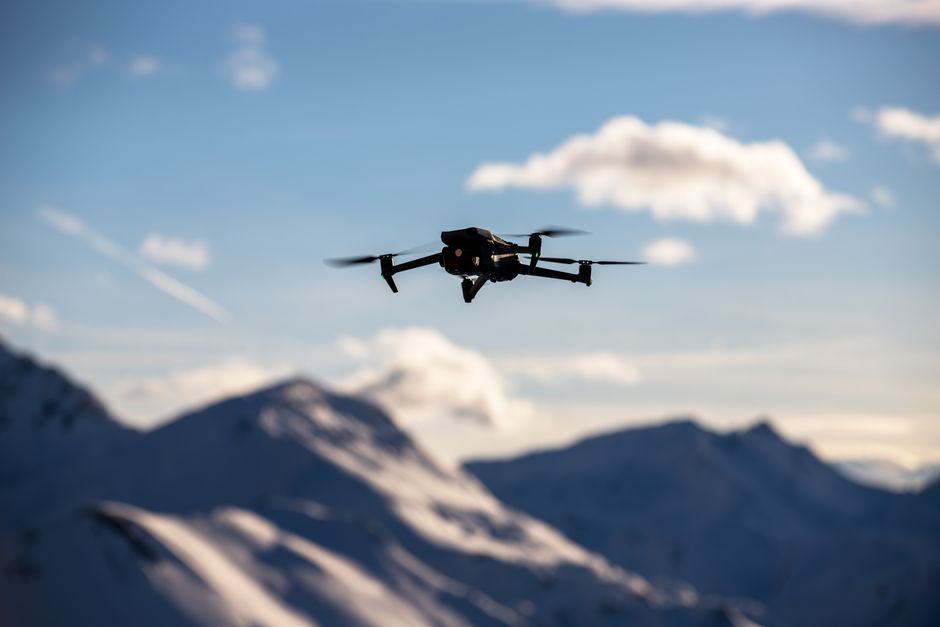
In recent years, the advent of drone technology has revolutionized the field of photography, offering unique perspectives that were once unimaginable. Aerial drone photography allows photographers to capture stunning images from heights that provide a fresh viewpoint on landscapes, architecture, and events. This article delves into the various aspects of aerial drone photography, exploring its applications, benefits, and tips for those looking to enter this exciting field.
The Rise of Drone Technology
The evolution of drone technology has played a pivotal role in the popularity of aerial photography. Initially used for military and surveillance purposes, drones have become accessible to the general public, allowing amateur and professional photographers alike to harness their capabilities. According to a study by the Consumer Technology Association, drone sales in the United States reached approximately 3 million units in 2020, reflecting a growing interest in aerial photography.
Modern drones come equipped with advanced features such as high-resolution cameras, GPS, and obstacle avoidance systems, making them easier to operate. The quality of images captured by these drones has also improved significantly, with many models capable of shooting in 4K resolution. These advancements have opened the door for more creative possibilities in photography.
Moreover, the regulatory environment surrounding drone flights has evolved to facilitate their use. Many countries have established clear guidelines that allow photographers to operate drones safely and legally, creating a more structured landscape for aerial photography.
Applications of Aerial Drone Photography
Aerial drone photography finds applications across various sectors, each benefiting from the unique angles and perspectives that drones provide. In real estate, for instance, aerial photography can showcase properties from above, highlighting their surroundings and enhancing their appeal. Aerial shots can convey the scale and beauty of a property, making listings more attractive to potential buyers.
Additionally, in agriculture, drones are used to monitor crop health and assess land conditions. Farmers can capture images that reveal vital information about irrigation, growth patterns, and pest infestations. This data-driven approach not only improves yield but also contributes to sustainable farming practices.
In the realm of events, aerial photography captures memorable moments from a bird’s-eye view, whether it’s a wedding, sports event, or concert. Drone footage adds a cinematic quality to the documentation of events, providing clients with captivating visuals that traditional photography methods cannot achieve.
Benefits of Aerial Drone Photography
The benefits of aerial drone photography extend beyond just stunning visuals. One significant advantage is the cost-effectiveness of capturing wide-ranging views without the need for expensive equipment like helicopters or cranes. Drones can cover vast areas quickly and efficiently, saving both time and money.
Moreover, aerial photography provides unique insights that enhance storytelling. Whether for a documentary, promotional content, or personal projects, aerial shots can create narratives that resonate more profoundly with audiences. The ability to depict landscapes from different angles engages viewers and provides a fresh perspective on familiar subjects.
Furthermore, the accessibility of drone technology means that aspiring photographers can easily enter the field. With affordable drones available on the market, individuals can start experimenting with aerial photography without a significant financial investment. Online communities and resources also provide ample opportunity for learning and skill development.
Tips for Effective Aerial Drone Photography
For those interested in pursuing aerial drone photography, several tips can enhance the quality of your work. First, familiarize yourself with the drone’s features and settings. Understanding how to adjust camera settings like ISO, shutter speed, and aperture can significantly affect the outcome of your images.
Second, consider the time of day for shooting. The golden hour, which occurs shortly after sunrise and before sunset, offers soft, diffused lighting that enhances the colors and textures of landscapes. Planning your shoots around these times can result in more visually appealing photographs.
Lastly, composition remains crucial in aerial photography. Utilize techniques such as the rule of thirds, leading lines, and framing to create balanced and engaging images. Experimenting with different heights and angles can also yield stunning results that capture the viewer’s attention.
For those looking to take their skills to the next level, collaborating with professionals in the field can provide invaluable insights. Engaging with communities focused on aerial drone photography allows photographers to share experiences, learn from one another, and stay updated on the latest trends and techniques.
Conclusion
Aerial drone photography is an exciting and rapidly evolving field that offers endless possibilities for creativity and exploration. As technology continues to advance, the potential applications of drone photography will only expand, providing fresh opportunities for photographers across various industries. Whether you are a hobbyist or a professional, embracing the world of aerial photography can elevate your work and capture the imagination of your audience. With practice, dedication, and a keen eye for detail, anyone can harness the power of aerial drone photography to create stunning visuals.
About the Author