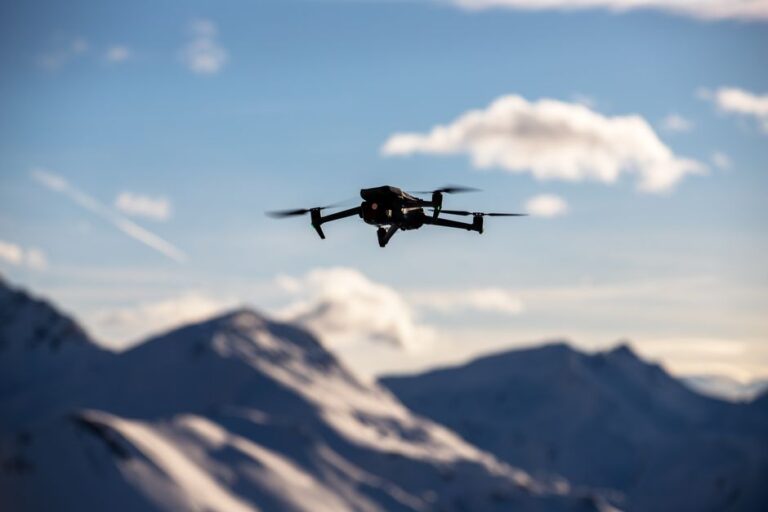
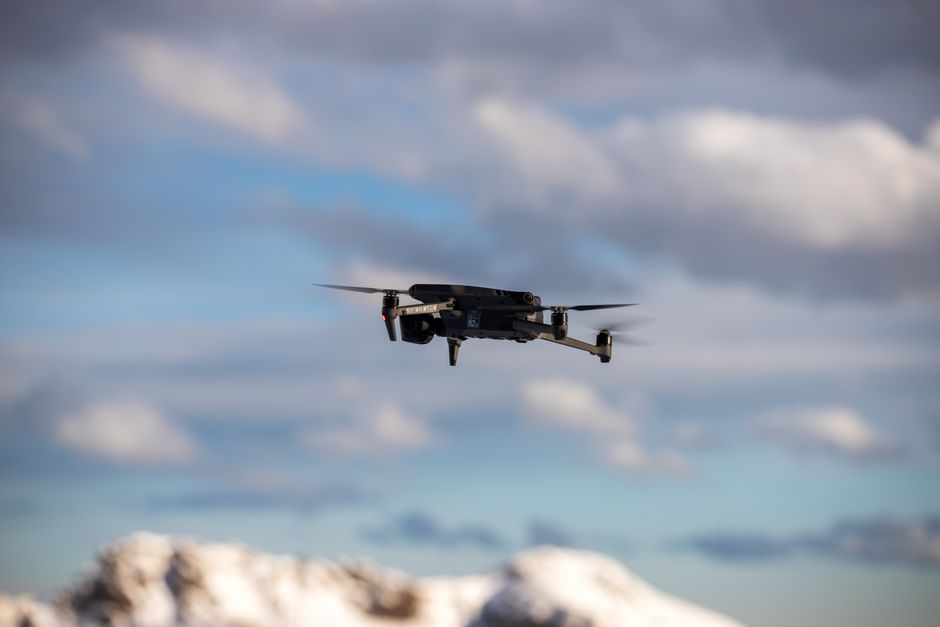
Aerial drone photography has revolutionized the way we capture and perceive the world around us. With the advent of advanced drone technology, photographers and videographers are now able to explore and document landscapes from perspectives that were once unimaginable. This article delves into the essence of aerial drone photography, its applications, and tips for aspiring drone photographers.
The Rise of Drone Technology
In recent years, the popularity of drones has surged dramatically. According to the Federal Aviation Administration (FAA), the number of registered drones in the United States alone has surpassed 1.7 million in 2021, reflecting a growing trend in both recreational and commercial use. This technological boom has not only made drones more accessible but has also paved the way for innovative photography techniques.
Drones equipped with high-resolution cameras allow photographers to capture stunning images that showcase intricate details of landscapes, urban environments, and natural wonders. The ability to fly at varying altitudes provides an unmatched perspective that traditional photography cannot achieve. As a result, aerial photography has become an essential tool for various industries, including real estate, tourism, and environmental monitoring.
Applications of Aerial Drone Photography
The versatility of aerial drone photography is evident in its wide range of applications. In the real estate sector, for instance, agents use drone imagery to create captivating listings that highlight properties from above, showcasing their proximity to amenities and the surrounding landscape. Studies show that listings with aerial images can sell up to 68% faster than those without.
In addition, the tourism industry has embraced aerial photography as a means to promote destinations. Stunning aerial shots of iconic landmarks and breathtaking landscapes can entice travelers and increase tourist footfall. For example, capturing the majestic beauty of the Grand Canyon or the serene coastline of Amalfi provides potential visitors with a unique view that inspires adventure.
Techniques for Successful Aerial Photography
To excel in aerial drone photography, there are several techniques that photographers should master. First and foremost, understanding the drone’s flight capabilities is crucial. Factors such as battery life, altitude limits, and GPS functionality can significantly impact the quality of the shots. Additionally, familiarizing oneself with the drone’s camera settings, such as ISO, aperture, and shutter speed, can enhance image quality.
Another important aspect is composition. Aerial photographers should apply traditional photography principles, such as the rule of thirds, leading lines, and symmetry, to create visually appealing images. Utilizing natural light, especially during the golden hours of sunrise and sunset, can also add warmth and depth to aerial shots.
Legal Considerations and Safety Regulations
While the allure of capturing stunning aerial images is undeniable, drone photographers must adhere to legal regulations and safety guidelines. In many countries, including the United States, drone operators are required to register their drones and obtain a Remote Pilot Certificate from the FAA. These regulations are in place to ensure safe and responsible flying, minimizing risks to people and property.
Additionally, it is essential to be aware of no-fly zones, such as near airports or government buildings. Respecting privacy is also paramount; photographers should avoid capturing images of private property without permission. By following these regulations, drone photographers can enjoy their craft while ensuring the safety of themselves and others.
The Future of Aerial Drone Photography
The future of aerial drone photography looks promising, with continuous advancements in technology. Innovations such as obstacle avoidance systems, improved battery life, and enhanced camera capabilities are set to further elevate the art of aerial photography. Moreover, the integration of artificial intelligence (AI) in drones will enable automatic shot composition and intelligent tracking, simplifying the process for photographers.
As drones become more sophisticated and user-friendly, we can expect an influx of creative content that pushes the boundaries of visual storytelling. The demand for high-quality aerial imagery will continue to grow across various sectors, from marketing to conservation efforts. For those interested in honing their skills in this exciting field, there has never been a better time to explore the possibilities of aerial drone photography.
About the Author