Aerial drone photography has revolutionized the way we capture images from above. With advancements in technology, hobbyists and professionals alike are now able to take stunning photographs and videos that were once only possible with expensive equipment or helicopters. This article delves deep into the essentials of aerial drone photography, exploring its applications, techniques, and the impact it has on various industries.
What is Aerial Drone Photography?
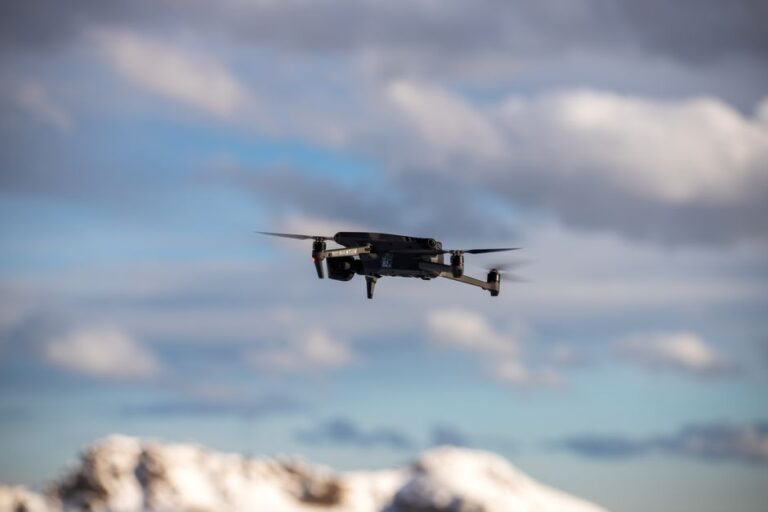
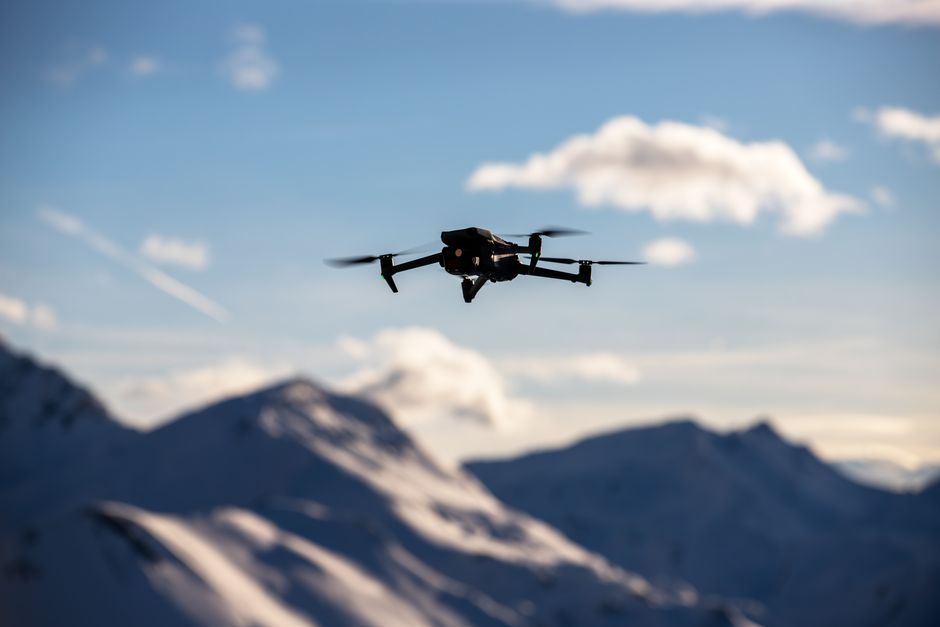
Aerial drone photography refers to the practice of using unmanned aerial vehicles (UAVs), commonly known as drones, to take photographs and videos from the sky. This innovative method allows photographers to capture breathtaking perspectives that were previously difficult or impossible to achieve. Drones equipped with high-resolution cameras can provide images with incredible detail, making them ideal for various applications, from real estate to cinematography.
According to a recent report by the Federal Aviation Administration (FAA), the number of registered drones in the United States has surpassed 1.7 million, reflecting the growing popularity of this technology. The versatility of drones allows for a range of creative possibilities, making aerial photography accessible to a wider audience.
Applications of Aerial Drone Photography
The applications of aerial drone photography are vast and varied. One of the most notable sectors benefiting from this technology is real estate. Agents and sellers can showcase properties from unique angles, providing potential buyers with a comprehensive view of the property and its surroundings. Aerial shots can highlight features such as landscaping, proximity to amenities, and overall property size, making listings more attractive.
In addition to real estate, aerial drone photography is increasingly used in agriculture. Farmers can monitor crop health and assess land conditions from above, allowing them to make informed decisions about irrigation, fertilization, and pest control. This data-driven approach can lead to increased yields and reduced costs, showcasing the practical benefits of employing drones in agricultural practices.
Moreover, aerial photography has found a significant place in event coverage, such as weddings and sports. Capturing moments from the sky adds a dramatic flair to the visual storytelling of events, providing a unique perspective that traditional photography cannot offer.
Essential Equipment for Aerial Photography
To embark on aerial drone photography, it is crucial to have the right equipment. At the core of this setup is the drone itself. Popular models like the DJI Phantom and Mavic series have become favorites among photographers for their reliability and camera capabilities. These drones often come equipped with gimbals that stabilize the camera, allowing for smooth and steady shots.
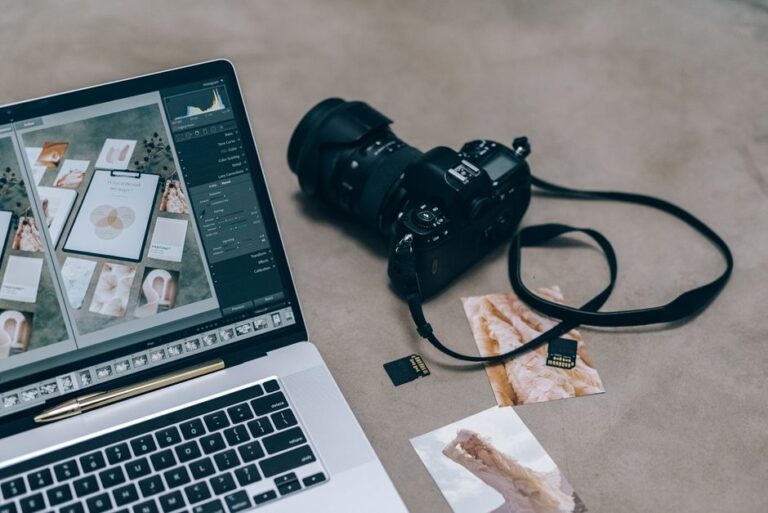
In addition to the drone, having a high-quality camera is essential. Many drones come with built-in cameras, but for those seeking professional-grade images, attaching a DSLR or mirrorless camera may be beneficial. Accessories such as ND filters can help control exposure and improve image quality, especially in bright conditions.
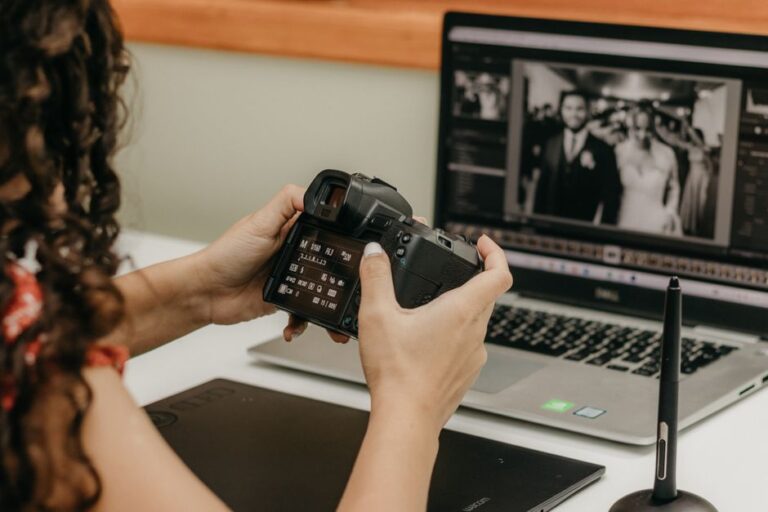
Finally, investing in a good editing software is vital for post-processing. Programs like Adobe Lightroom and Photoshop allow photographers to enhance their images, adjust colors, and create stunning visual effects.
Techniques for Stunning Aerial Shots
Mastering aerial drone photography involves understanding various techniques to capture the best images. One fundamental technique is composition. Photographers should consider the rule of thirds, leading lines, and framing to create visually compelling images. Drones offer unique perspectives, so experimenting with different angles and heights can lead to remarkable results.
Lighting is another crucial factor. The golden hours—shortly after sunrise and before sunset—provide soft, diffused light, ideal for capturing vibrant colors. Understanding how light interacts with the landscape can significantly enhance the quality of aerial photographs.
Additionally, practicing flying skills is essential. Pilots must become familiar with the drone’s controls and capabilities to maneuver effectively in various conditions. Regular practice not only improves flying proficiency but also enhances the ability to capture dynamic shots in different environments.
The Future of Aerial Drone Photography
The future of aerial drone photography looks promising, with continuous advancements in technology. Innovations such as AI-powered drones that can autonomously capture images and videos are on the horizon. These developments are set to change the landscape of photography, making it even more accessible and efficient.
Moreover, regulations surrounding drone usage are evolving. As more people embrace aerial photography, authorities are establishing clearer guidelines to ensure safety and privacy. Staying informed about these regulations is crucial for all drone operators to avoid legal issues.
In conclusion, aerial drone photography offers exciting opportunities for capturing the world from above. With its diverse applications and growing accessibility, it’s no wonder that more individuals and businesses are turning to this innovative medium. Whether you’re a hobbyist or a professional, mastering aerial photography can elevate your work to new heights. For those looking to explore this captivating field further, resources such as aerial drone photography services can provide valuable insights and support.
Conclusion
Aerial drone photography is not just a trend; it’s a transformative approach to capturing images and data. As technology continues to advance and its applications expand, aerial photography will remain a vital tool across various industries. By understanding the equipment, techniques, and potential of this medium, photographers can unlock a world of creative possibilities and enhance their visual storytelling.
About the Author