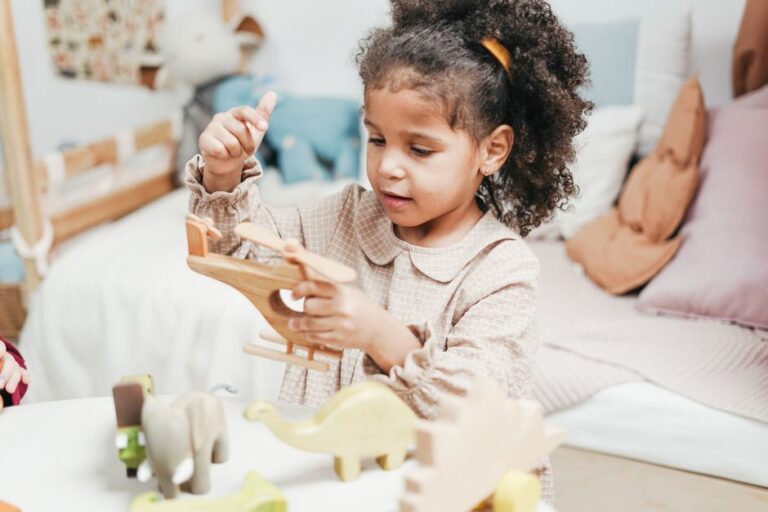

The children’s toy industry has seen remarkable growth over the past few decades, evolving with the times and adapting to the ever-changing preferences of children and parents alike. From traditional toys to high-tech gadgets, the variety and quality of toys available today are more diverse than ever. This article explores the landscape of children toy manufacturers, their impact on the market, and the trends shaping the future of play.
The Evolution of Toy Manufacturing
Historically, toys have been crafted from natural materials such as wood and cloth. However, with advancements in technology and materials, the manufacturing process has undergone significant changes. Today, children toy manufacturers utilize a variety of materials including plastics, metals, and sustainable resources to create innovative products. According to a report by the Toy Association, the global toy market is projected to reach $120 billion by 2023, reflecting a robust demand for quality toys.
The shift towards eco-friendly toys is also notable. Many manufacturers are now prioritizing sustainability, producing toys that are not only safe for children but also for the environment. Companies like Green Toys are setting an example by using recycled materials to create their products, appealing to environmentally conscious consumers.
Understanding Consumer Preferences
In the competitive landscape of the toy industry, understanding consumer preferences is essential for manufacturers. Parents today are more discerning than ever, seeking toys that are educational, safe, and durable. Market research indicates that parents are willing to spend more on toys that offer developmental benefits, such as enhancing cognitive skills or promoting physical activity.
Furthermore, the rise of digital technology has transformed the way children interact with toys. Many children toy manufacturers are incorporating technology into their products, creating interactive toys that engage children in new ways. For example, toys that connect to apps or use augmented reality are becoming increasingly popular, providing a blend of physical play and digital interaction.
The Role of Branding and Marketing
Branding plays a crucial role in the success of children toy manufacturers. Iconic brands like LEGO and Mattel have built strong identities that resonate with both children and parents. Effective marketing strategies, including social media campaigns and influencer partnerships, help these brands maintain relevance in a fast-paced market.
Moreover, storytelling has become an essential part of toy marketing. Brands that create compelling narratives around their products often find greater success, as these stories captivate the imaginations of children. For instance, the recent resurgence of nostalgic toys has shown how powerful storytelling can attract both new customers and returning fans.
Challenges Facing Toy Manufacturers
Despite the growth opportunities, children toy manufacturers face several challenges. Safety regulations are becoming more stringent, requiring manufacturers to ensure that their toys meet high safety standards. This can be a complex and costly process, especially for smaller companies. In addition, the rise of counterfeit toys poses a significant threat, as these products often do not adhere to safety standards, putting children at risk.
Furthermore, the COVID-19 pandemic has disrupted supply chains, affecting the availability of raw materials and manufacturing capabilities. Companies have had to adapt quickly, implementing new strategies to navigate these challenges while continuing to meet consumer demand.
The Future of Toy Manufacturing
Looking ahead, the future of children toy manufacturers appears bright, though it will require adaptability and innovation. The integration of technology into play will continue to grow, creating new opportunities for manufacturers to engage with children. Additionally, the trend towards sustainability will likely shape product development, as consumers increasingly prioritize eco-friendly options.
As the industry evolves, collaboration among manufacturers, educators, and parents will be vital to create toys that not only entertain but also educate. The focus on STEAM (Science, Technology, Engineering, Arts, and Mathematics) toys offers a pathway for manufacturers to contribute to children’s learning while ensuring play remains fun.
In conclusion, the landscape of children toy manufacturers is rapidly changing, driven by consumer preferences, technological advancements, and a commitment to sustainability. By understanding these dynamics, manufacturers can navigate the challenges and seize the opportunities that lie ahead. For those looking to explore partnerships in this vibrant industry, resources such as children toy manufacturers can provide valuable insights and connections.
About the Author