
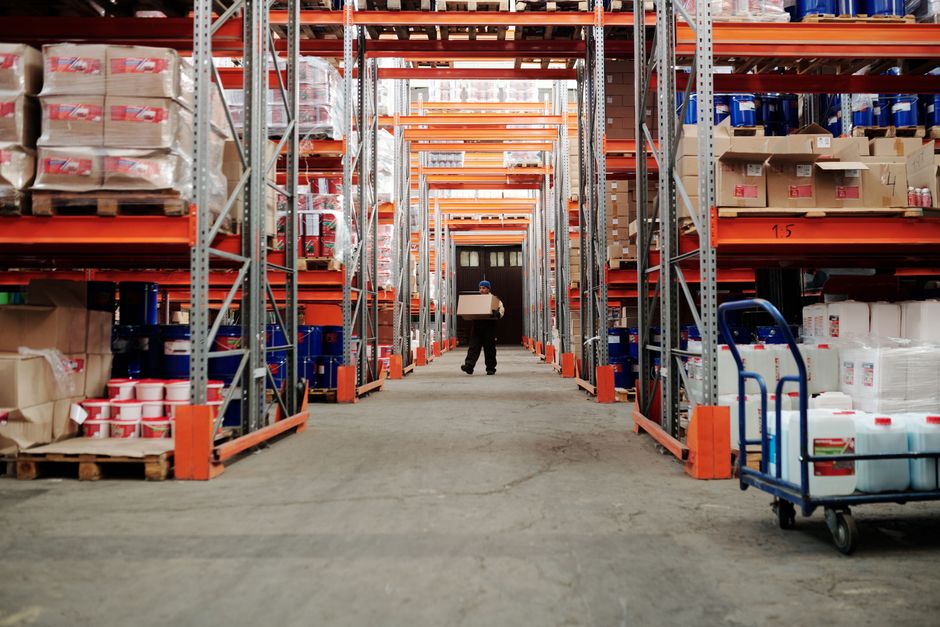
In the intricate web of modern commerce, the role of distributors has become increasingly pivotal. They serve as the essential link between manufacturers and retailers, ensuring that products reach the end consumers efficiently. This article delves into the various aspects of distribution, the challenges faced by distributors, and how they can leverage technology to enhance their operations.
The Definition and Importance of Distributors
Distributors are intermediaries that play a crucial role in the supply chain. They purchase products from manufacturers and sell them to retailers or directly to consumers. Their importance cannot be overstated, as they help in managing inventory, reducing overhead costs, and increasing market reach. By acting as a bridge, distributors enable manufacturers to focus on production while handling the complexities of logistics and sales.
For instance, a manufacturer producing gourmet food items may not have the resources or network to distribute its products widely. By partnering with a distributor, the manufacturer can ensure its products are available in various retail outlets, thus expanding its market presence without the need for a massive sales team.
Challenges Faced by Distributors
Despite their essential role, distributors face numerous challenges in today’s fast-paced market. One significant issue is the ever-increasing competition. With the rise of e-commerce, traditional distributors must adapt to new business models and consumer expectations. This shift requires them to embrace digital transformation, which can be daunting for many.
Additionally, managing logistics efficiently is another challenge. Distributors must ensure timely delivery while minimizing costs. This balancing act often leads to increased pressure on their operations. For example, a distributor handling perishable goods must have a robust logistics strategy to prevent spoilage while ensuring timely delivery to retailers.
Leveraging Technology for Distribution
To overcome these challenges, many distributors are turning to technology. Implementing advanced supply chain management software allows them to streamline operations, monitor inventory levels in real-time, and predict demand more accurately. These tools can help reduce waste and improve efficiency.
Moreover, e-commerce platforms provide distributors with new sales opportunities. By establishing an online presence, distributors can reach a broader audience and tap into the growing trend of online shopping. For example, a distributor that specializes in health products could create an online store to sell directly to consumers, thereby increasing their revenue potential.
One innovative product that can enhance the visibility of distributors in the health sector is GLOW, which focuses on wellness and nutrition. By incorporating such products into their offerings, distributors can differentiate themselves in a crowded marketplace.
Future Trends in Distribution
The future of distribution is poised for significant changes, driven by technological advancements and shifting consumer preferences. One trend is the increasing importance of sustainability. Distributors are now expected to adopt eco-friendly practices, from sourcing products to delivery methods. This shift not only helps the environment but also appeals to consumers who are increasingly conscious of their purchasing decisions.
Additionally, the growth of automation and artificial intelligence in logistics will reshape how distributors operate. Automated warehouses and AI-driven analytics can optimize inventory management and reduce operational costs, allowing distributors to focus more on customer service and relationship building.
Conclusion
In conclusion, distributors play a vital role in the supply chain, acting as intermediaries that facilitate the flow of goods from manufacturers to consumers. While they face numerous challenges, embracing technology and adapting to market trends can help them thrive. By focusing on efficiency, sustainability, and customer engagement, distributors can secure their place in the future of commerce.
About the Author