
Cardiopulmonary Resuscitation (CPR) is a crucial skill that can mean the difference between life and death in emergencies. Whether it’s a heart attack, drowning, or any situation leading to cardiac arrest, knowing how to perform CPR is essential for everyone. This article will explore the significance of CPR, the techniques involved, and the impact it has on saving lives.
Understanding CPR and Its Importance
CPR is a lifesaving technique used when someone’s heartbeat or breathing has stopped. According to the American Heart Association, effective CPR can double or triple a victim’s chance of survival after cardiac arrest. In fact, approximately 70% of cardiac arrests occur at home, and bystanders can play a pivotal role in increasing survival rates through immediate CPR.
Performing CPR provides critical blood flow to the heart and brain, preventing irreversible damage. In emergencies, every second counts. A delay in starting CPR can lead to serious consequences, emphasizing the need for widespread training and awareness.
Moreover, CPR is not only applicable in cases of cardiac arrest but also in various emergencies, including drowning incidents and choking. Understanding how to respond effectively can empower individuals to act swiftly, potentially saving a life.
Basic Techniques of CPR
The CPR technique comprises two main components: chest compressions and rescue breaths. The American Heart Association recommends the following steps for adults:
1. Call for Help: Before starting CPR, ensure that emergency services are contacted. If alone, call 911 before beginning.
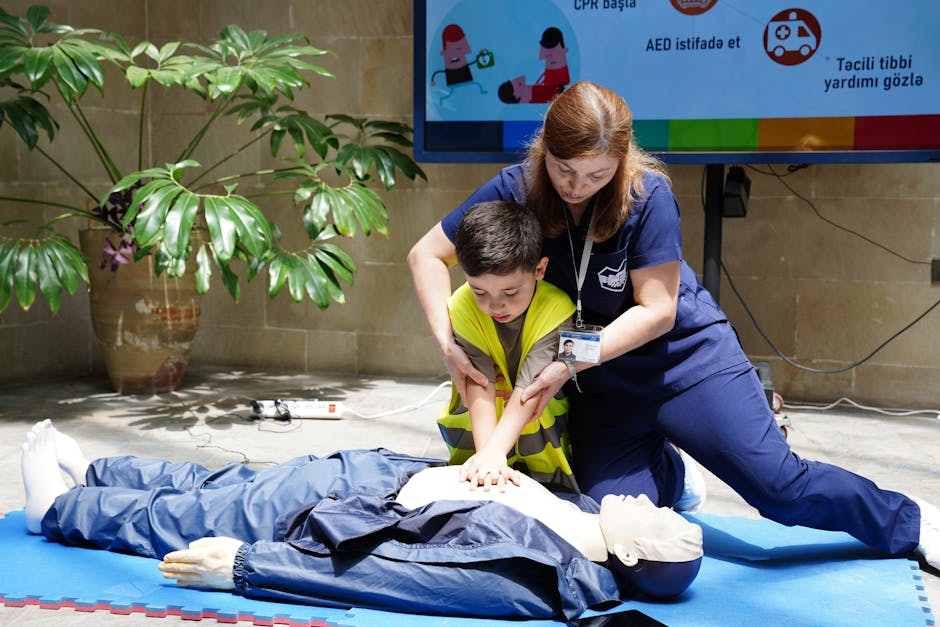
2. Chest Compressions: Place your hands in the center of the person’s chest and push down hard and fast, at a rate of 100 to 120 compressions per minute. Allow the chest to rise fully between compressions.
3. Rescue Breaths: If trained, after every 30 compressions, give two rescue breaths. Ensure the airway is open, and seal your lips around the person’s mouth to deliver breaths.
These techniques may differ slightly for children and infants, making it essential to attend CPR training courses to familiarize yourself with the variations and nuances.
The Role of CPR Training in Communities
Community CPR training programs play a vital role in preparing individuals to respond during emergencies. Organizations such as the American Red Cross and local health departments often provide courses that teach the fundamentals of CPR and first aid.
In addition to formal training, initiatives that promote CPR awareness can increase the number of trained individuals in a community. For instance, public demonstrations, workshops, and partnerships with schools can effectively spread knowledge about lifesaving techniques.
Furthermore, incorporating CPR training into school curricula ensures that future generations are equipped with these essential skills. Young people who learn CPR are more likely to act in emergencies, fostering a culture of preparedness and safety.
Real-Life Impact and Statistics
The importance of CPR training is underscored by statistics. According to the CDC, approximately 350,000 cardiac arrests occur outside of hospitals each year in the United States. Among these, only 46% receive bystander CPR, which significantly affects survival rates.
Moreover, studies indicate that individuals who receive immediate CPR from bystanders are more likely to survive and have better outcomes than those who do not. For example, a study published in the Journal of the American Medical Association found that survival rates were significantly higher for patients who received bystander CPR compared to those who did not.
In a compelling case, a high school football player collapsed during practice, and the quick actions of his coaches, who were trained in CPR, saved his life. This incident highlights the critical need for CPR training in sports and recreational activities.
How to Get Involved and Learn CPR
Learning CPR is accessible and can be done through various channels. Local health organizations, community centers, and hospitals often offer CPR courses. For those in specific regions, options such as HLR kurs Stockholm provide tailored training sessions to meet community needs.
Online courses are also available for those who prefer self-paced learning. However, practical training is essential to practice techniques effectively, making in-person classes highly recommended.
Once trained, staying updated with CPR guidelines is vital. The American Heart Association and other reputable organizations regularly update their protocols based on the latest research, ensuring that trained individuals are equipped with the most current information.
Conclusion
CPR is an invaluable skill that everyone should learn. Its effectiveness in saving lives during emergencies underscores the need for widespread training and awareness. By understanding the techniques and participating in CPR courses, individuals can empower themselves to act decisively in critical situations, ultimately fostering safer communities. As we continue to promote CPR training, we create a culture that values preparedness and the importance of acting swiftly during emergencies.
About the Author