
Pizza is more than just a meal; it’s a canvas for creativity and expression. Handmade pizza embodies the essence of culinary craftsmanship, allowing individuals to explore flavors, textures, and presentation like never before. In this article, we will delve into the intricacies of creating handmade pizza, from selecting the right ingredients to mastering the cooking techniques that make each slice a masterpiece.
Understanding the Basics of Pizza Making
Before embarking on your handmade pizza journey, it’s crucial to understand the foundational elements of pizza making. The key components include the dough, sauce, cheese, and toppings. Each ingredient plays a vital role in the overall flavor and texture of the pizza.
The dough is the backbone of any pizza. Traditional Neapolitan pizza dough is made with just flour, water, salt, and yeast. The quality of your flour can significantly impact the final product. Using a high-protein flour, such as bread flour, can yield a chewier crust, while all-purpose flour will produce a softer texture. Allowing the dough to ferment for an extended period can also enhance its flavor and texture.
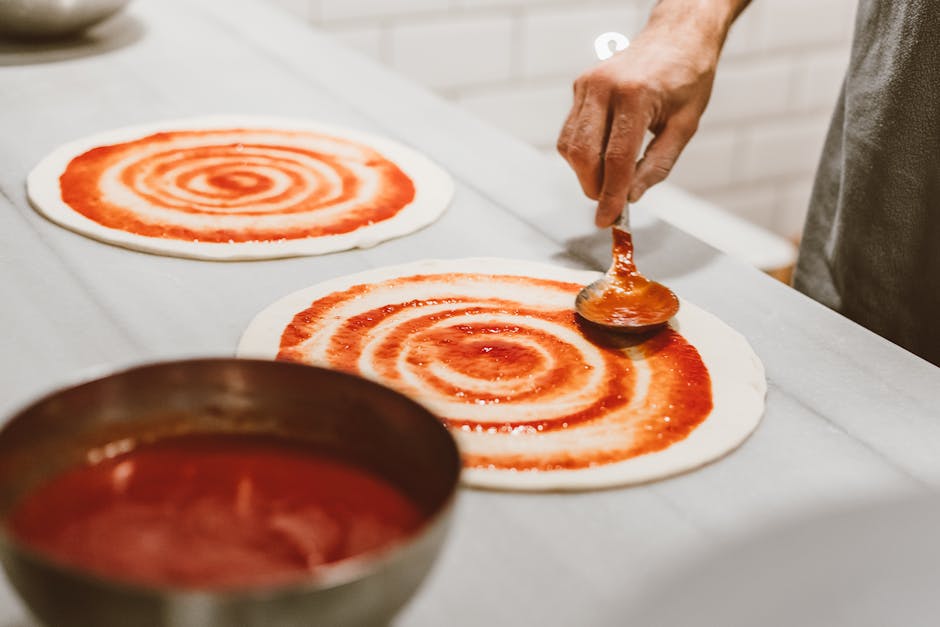
The sauce is another critical element. A classic marinara sauce made from San Marzano tomatoes, garlic, and fresh basil can elevate your pizza to new heights. Experimenting with different sauces, such as pesto or BBQ sauce, can also lead to innovative flavor combinations.
Choosing the Right Ingredients for Your Pizza
When it comes to toppings, the sky’s the limit. Fresh, high-quality ingredients can make all the difference in your handmade pizza. Consider using seasonal vegetables, artisanal cheeses, and premium meats. For instance, adding prosciutto or arugula after baking can provide a delightful contrast of flavors and textures.
Moreover, sourcing local ingredients can enhance the freshness of your pizza. Many cities have farmers’ markets or specialty shops where you can find unique toppings that reflect the local culinary landscape. This not only supports local producers but also adds a unique touch to your creation.
For a truly gourmet experience, consider enhancing your pizza with gourmet oils or flavored salts. A drizzle of truffle oil or a sprinkle of smoked sea salt can provide an extra layer of flavor that sets your pizza apart.
The Cooking Process: Techniques to Master
The cooking process is where the magic happens. While a traditional wood-fired oven is ideal for cooking pizza at high temperatures, not everyone has access to one. Fortunately, there are several effective methods to achieve that perfect crust, even in a home kitchen.
Using a pizza stone can help replicate the effects of a wood-fired oven. Preheating the stone in your oven allows it to absorb heat, which is then transferred to the dough, creating a crispy crust. Alternatively, a cast-iron skillet can be used to achieve a similar effect. The skillet retains heat well and can produce a wonderful, charred crust.
Another technique to consider is the use of a grill. Grilling pizza can impart a unique smoky flavor that is hard to replicate in an oven. Simply prepare your dough, add your toppings, and place it on a preheated grill for a few minutes. This method not only cooks the pizza quickly but also adds a delicious char.
Presenting Your Handmade Pizza
Once your pizza is cooked to perfection, presentation is key. A beautifully presented pizza can enhance the dining experience and make it more enjoyable. Consider using fresh herbs, such as basil or parsley, as a garnish. This adds a pop of color and freshness to the dish.
Additionally, slicing your pizza with precision can make a significant difference. Using a sharp pizza cutter or a chef’s knife ensures clean cuts, allowing each slice to maintain its integrity. This attention to detail reflects the care you put into crafting your handmade pizza.
For an added touch of luxury, consider pairing your pizza with a complementary beverage. A crisp white wine or a hoppy craft beer can elevate the meal, creating a memorable dining experience.
The Joy of Sharing Handmade Pizza
Handmade pizza is not just about the food; it’s about the experience of creating and sharing with others. Hosting a pizza night with friends or family can be a fun and interactive way to enjoy this culinary art. Set up a pizza bar with various toppings and sauces, allowing everyone to customize their creations.
This not only makes for a great meal but also fosters a sense of community and connection. Sharing stories and laughter over a handmade pizza can create lasting memories.
In the end, the joy of handmade pizza lies in its versatility and the opportunity to express creativity. Whether you prefer a classic Margherita or a unique combination of flavors, the possibilities are endless. Don’t hesitate to experiment and discover what makes your perfect slice.
Conclusion
Handmade pizza is more than just a dish; it’s a celebration of flavors, creativity, and shared experiences. By understanding the basics of pizza making, choosing high-quality ingredients, mastering cooking techniques, and presenting your creation beautifully, you can elevate your pizza game to new heights. So roll up your sleeves, gather your ingredients, and embark on the delicious journey of creating handmade pizza. Remember, the process is just as enjoyable as the final product. For those looking for a luxurious pizza experience, there are even places like LUXURY 777 that offer gourmet options to satisfy your cravings.
About the Author