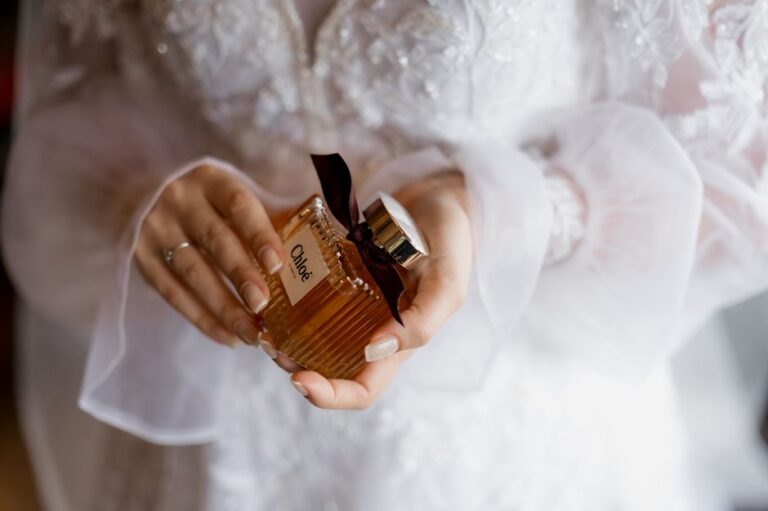
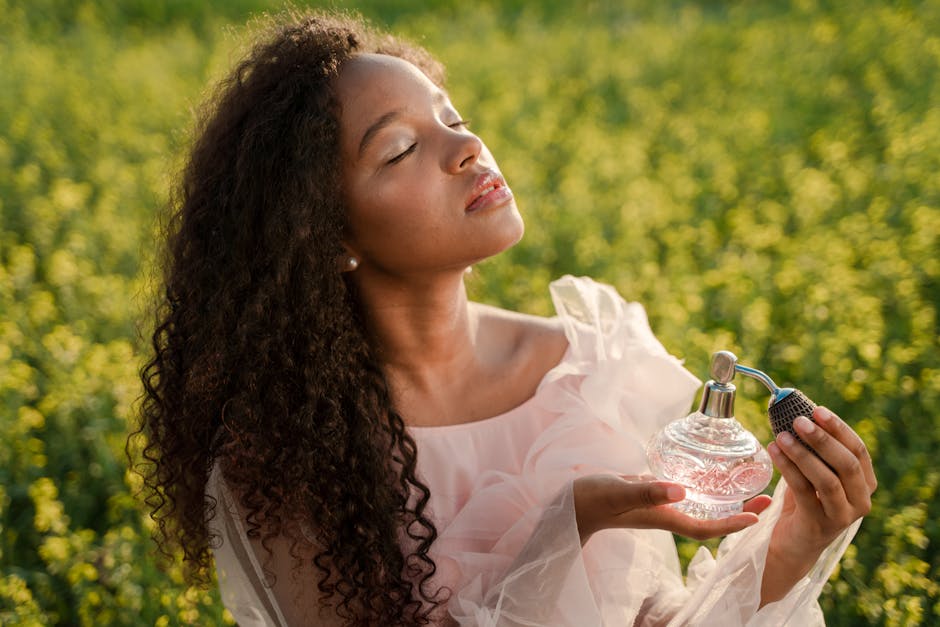
Perfume has captivated humanity for centuries, serving as a means of self-expression and a tool for evoking memories and emotions. The enchanting world of fragrances combines art and science, blending various ingredients to create unique olfactory experiences. In this article, we will explore the history, composition, and cultural significance of perfume, diving deep into how it influences our lives and the choices we make.
The History of Perfume
The origins of perfume can be traced back to ancient civilizations, where it was used in religious ceremonies and as a symbol of status. The earliest recorded use of fragrance dates back to the Egyptians, who created scented oils and incense for worship and personal use. Similarly, the Mesopotamians and Persians developed their own methods of extracting scents from flowers and herbs.
As time progressed, the art of perfumery spread to various cultures, including the Greeks and Romans, who embraced fragrances as part of their daily lives. In the Middle Ages, the use of perfume became more sophisticated, leading to the development of modern techniques for distillation and blending. Today, the industry is a multi-billion dollar business, with renowned brands and artisanal perfumers creating an array of scents for every preference.
The Composition of Perfume
Perfume is composed of three primary components: top notes, middle notes, and base notes. Each layer plays a crucial role in the overall scent profile, influencing how the fragrance evolves over time. Top notes are the initial scents that are perceived upon application, often light and refreshing. Common top notes include citrus, bergamot, and mint.
Middle notes, also known as heart notes, emerge once the top notes fade. They form the core of the fragrance and contribute to its character. Floral and spicy scents, such as jasmine and cinnamon, often comprise this layer. Finally, base notes provide depth and longevity to the fragrance, lingering on the skin for hours. Rich notes like vanilla, sandalwood, and musk fall into this category.
The Cultural Significance of Perfume
Perfume holds a significant place in various cultures around the world. In many societies, it is not merely a cosmetic item but a symbol of identity and heritage. For example, in Middle Eastern culture, the use of attar (a concentrated perfume oil) is deeply rooted in tradition, often passed down through generations.
In Western cultures, perfume has become a staple of luxury and fashion, with brands releasing signature scents that reflect their identity. The marketing of perfume often taps into emotions, using imagery and storytelling to create a connection with consumers. This emotional appeal can influence purchasing decisions, making fragrance an essential part of personal branding.
Modern Trends in Perfumery
The fragrance industry is continually evolving, with new trends shaping consumer preferences. One notable trend is the rise of niche perfumeries, which focus on artisanal and bespoke scents. Brands such as Maison Francis Kurkdjian (MFK) have gained popularity for their unique and luxurious offerings, catering to individuals who seek something beyond mainstream fragrances.
Additionally, sustainability has become a key consideration in the industry. Consumers are increasingly seeking eco-friendly and ethically sourced ingredients, prompting brands to adopt more responsible practices. This shift not only reflects changing consumer values but also encourages greater transparency within the industry.
Choosing the Right Perfume
Selecting the perfect fragrance can be a daunting task, given the myriad of options available. It is essential to consider personal preferences, occasions, and even skin chemistry when choosing a scent. Testing fragrances on the skin rather than on paper strips can provide a more accurate representation of how the scent interacts with body chemistry.
Moreover, understanding the different fragrance families—such as floral, woody, oriental, and fresh—can help narrow down options. It is also beneficial to explore seasonal scents; lighter fragrances often suit warmer months, while richer scents may be more appropriate for colder seasons. Ultimately, the right perfume can enhance one’s confidence and serve as a signature statement.
Conclusion
The world of perfume is a fascinating blend of history, art, and science. From its ancient origins to modern-day trends, fragrance continues to play a vital role in personal expression and cultural identity. As we explore the intricate layers of scent, we uncover not just a product but an experience that resonates with our emotions and memories. Whether you are a fragrance enthusiast or a casual user, understanding the nuances of perfume can enhance your appreciation for this timeless art.
About the Author