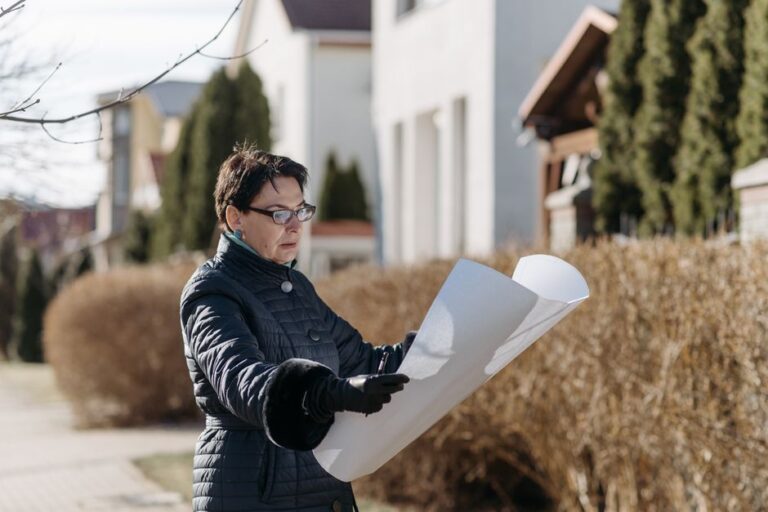

In the ever-evolving landscape of the real estate market, the role of a real estate agent has become more crucial than ever. With the rise of technology, changing buyer preferences, and the ongoing development of urban areas, aspiring agents must equip themselves with the right skills and knowledge to thrive. This article will delve into the various aspects of being a real estate agent, from essential skills and certifications to the strategies that lead to success.
Understanding the Role of a Real Estate Agent
A real estate agent serves as an intermediary between buyers and sellers in real estate transactions. Their primary responsibilities include helping clients buy, sell, or rent properties while providing guidance throughout the process. This role requires a strong understanding of the real estate market, local property laws, and the ability to negotiate effectively.
Moreover, agents must stay informed about market trends to provide their clients with the most accurate and up-to-date information. This is particularly important in a market that can fluctuate dramatically based on economic conditions, interest rates, and consumer demand.
For those considering a career as a real estate agent, it’s essential to recognize that success in this field requires dedication, continuous learning, and a passion for helping people achieve their property goals.
Essential Skills for Real Estate Agents
To excel as a real estate agent, certain skills are indispensable. First and foremost, strong communication skills are vital. Agents must effectively convey information to clients, whether it’s explaining complex contracts or negotiating offers. Additionally, active listening is crucial to understand clients’ needs and preferences.
Another key skill is organization. Real estate agents often juggle multiple clients and properties simultaneously, making it essential to manage time and tasks efficiently. Using digital tools and platforms can help maintain organization and streamline processes.
Furthermore, marketing skills play a significant role in attracting potential clients. Agents must be adept at promoting properties through various channels, including social media, online listings, and open houses. A well-crafted marketing strategy can significantly impact the visibility and attractiveness of a property.
Getting Certified and Building a Network
Becoming a licensed real estate agent typically requires completing specific educational requirements and passing a state examination. Each state has its regulations, but most require prospective agents to complete a certain number of hours in real estate courses.
Once licensed, building a strong professional network is crucial. Networking with other agents, mortgage brokers, and real estate attorneys can provide valuable resources and referrals. Attending industry events and joining real estate associations can further enhance an agent’s visibility and credibility.
Additionally, establishing a solid online presence can help agents connect with potential clients. A professional website showcasing listings, client testimonials, and educational content can attract leads and build trust.
Strategies for Success in Real Estate
Success in real estate often hinges on a combination of strategic planning, market knowledge, and customer service. One effective strategy is to specialize in a niche market. For example, focusing on luxury homes, investment properties, or first-time buyers can set agents apart from their competition.
Moreover, utilizing technology can enhance an agent’s efficiency and reach. Virtual tours, drone photography, and online marketing campaigns can significantly increase a property’s visibility and attract more potential buyers.
Finally, providing exceptional customer service can lead to repeat business and referrals. Satisfied clients are likely to recommend agents to friends and family, making positive client relationships essential for long-term success.
Challenges Faced by Real Estate Agents
While the real estate profession can be rewarding, it also comes with its challenges. Market fluctuations can impact sales and lead to periods of instability. Agents must be prepared to navigate these ups and downs while maintaining their client relationships.
Additionally, the competitive nature of the industry can be daunting. New agents may find it challenging to establish themselves and gain a foothold in a saturated market. Persistence, resilience, and a willingness to learn from setbacks are crucial traits for overcoming these obstacles.
Lastly, the emotional toll of dealing with clients’ significant financial decisions can be high. Agents must balance their professional responsibilities with empathy and support, ensuring clients feel valued and understood throughout the process.
Conclusion
Becoming a successful real estate agent requires a unique blend of skills, dedication, and strategic thinking. As the real estate market continues to evolve, agents who prioritize continuous learning and adaptability will thrive. By understanding the intricacies of the role, honing essential skills, and employing effective strategies, aspiring agents can carve out a rewarding career in this dynamic field. For those seeking to embark on this journey, education and networking are vital first steps. Consider exploring resources that can help you become a proficient real estate agent.
About the Author