In an era where climate change and unpredictable weather patterns threaten agricultural productivity, crop insurance has emerged as a crucial tool for farmers. This financial safety net not only protects their investments but also ensures food security for the wider population. As we delve deeper into the realm of crop insurance, it becomes evident that understanding its mechanics, benefits, and challenges is essential for both farmers and policymakers alike.
What is Crop Insurance?
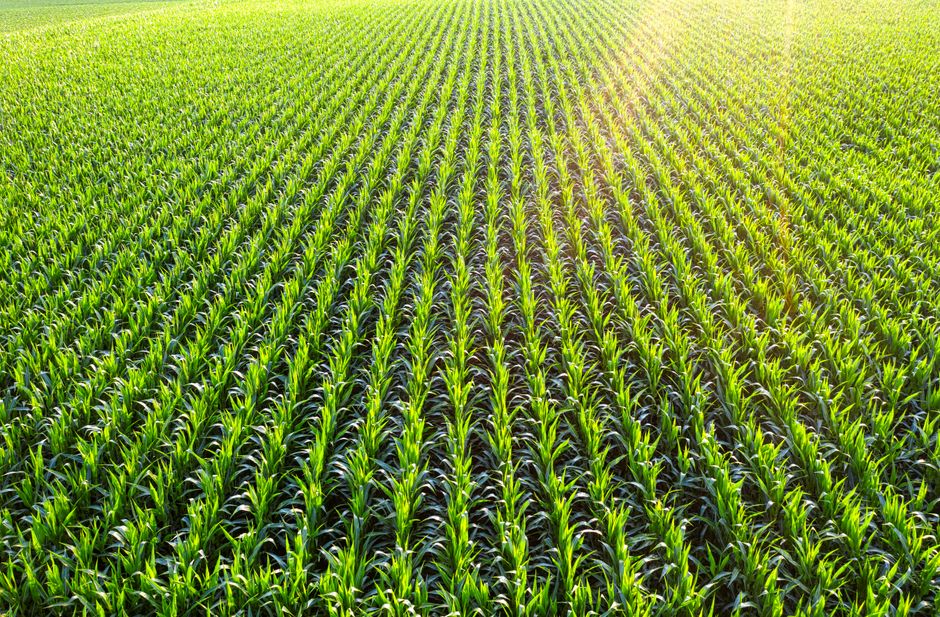
Crop insurance is a type of insurance designed to protect farmers against the loss of their crops due to natural disasters, adverse weather conditions, or other unforeseen events. Unlike traditional insurance that covers property damage or health issues, crop insurance specifically addresses the unique risks associated with farming. It helps farmers recover from losses and maintain their livelihood, ensuring that they can continue to produce food.
There are primarily two types of crop insurance: Actual Production History (APH) and Revenue Protection (RP). APH insurance compensates farmers for losses when their actual production falls below a predetermined level, while RP insurance covers losses in revenue due to price declines or yield reductions. Both types of insurance play a vital role in stabilizing farmers’ income in the face of adversity.
The Importance of Crop Insurance
The significance of crop insurance cannot be overstated. According to the United States Department of Agriculture (USDA), approximately 90% of U.S. farmers utilize some form of crop insurance. This statistic reflects the growing recognition of the financial security that crop insurance provides. In recent years, extreme weather events like droughts, floods, and hurricanes have underscored the necessity of having robust insurance coverage.
Moreover, crop insurance contributes to the overall stability of the agricultural sector. By mitigating risks, it encourages farmers to invest in their operations, fostering innovation and productivity. For instance, farmers who feel secure in their insurance coverage may be more inclined to adopt new technologies or diversify their crops, which can lead to increased yields and profitability.
Challenges and Limitations of Crop Insurance
Despite its many advantages, crop insurance is not without challenges. One of the primary issues is the complexity of the policies. Many farmers, especially those new to the industry, may find it difficult to navigate the various options available. This complexity can lead to underinsurance or misinterpretation of coverage, ultimately resulting in financial losses.
Additionally, the cost of premiums can be a barrier for some farmers. While subsidies exist to help offset costs, not all farmers qualify for these programs, making it challenging for them to obtain necessary coverage. This is particularly true for smallholder farmers in developing countries, where access to affordable crop insurance remains limited.
Future of Crop Insurance
As the agricultural landscape continues to evolve, so too must crop insurance. With the increasing frequency of climate-related disasters, there is a pressing need for innovative solutions. One promising development is the integration of technology in crop insurance. For example, satellite imagery and data analytics can provide real-time insights into crop health, allowing for more accurate assessments of risk and losses.
Furthermore, policymakers are exploring ways to make crop insurance more accessible. Initiatives aimed at simplifying policies and reducing premium costs could encourage more farmers to participate in insurance programs. By ensuring that all farmers have access to adequate coverage, we can bolster food security and promote sustainable agricultural practices.
Conclusion
In conclusion, crop insurance serves as a vital component in safeguarding the agricultural industry against the uncertainties of nature. As we face the challenges posed by climate change and economic fluctuations, understanding the intricacies of crop insurance becomes essential. By addressing its challenges and embracing innovations, we can ensure that farmers have the tools they need to thrive in an ever-changing environment, ultimately contributing to the stability of our food systems.
About the Author