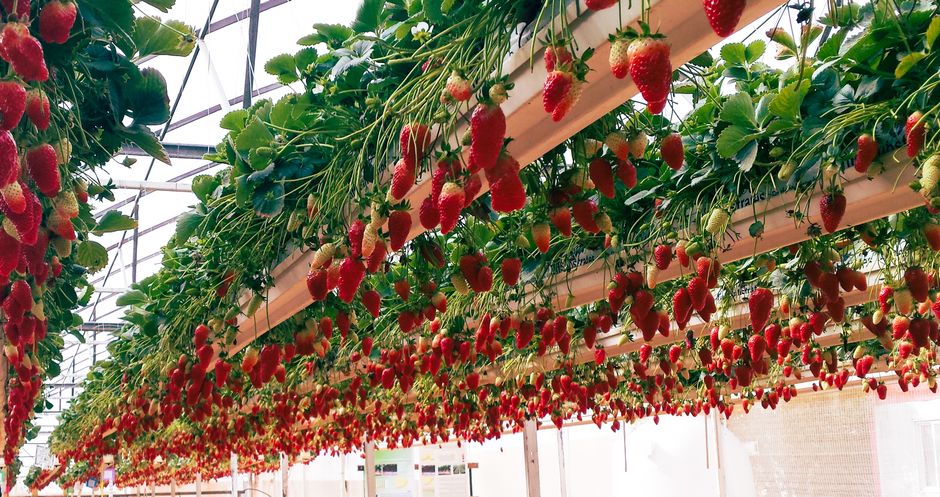
As the global population steadily increases, the demand for sustainable food production methods has never been more pressing. Traditional farming practices face numerous challenges, including land depletion, water scarcity, and the environmental impact of agricultural activities. Enter vertical farming technology, a groundbreaking solution that promises to transform the agricultural landscape and address these critical issues. By utilizing innovative techniques and advanced technology, vertical farming offers the potential to revolutionize how we produce food.
What is Vertical Farming?
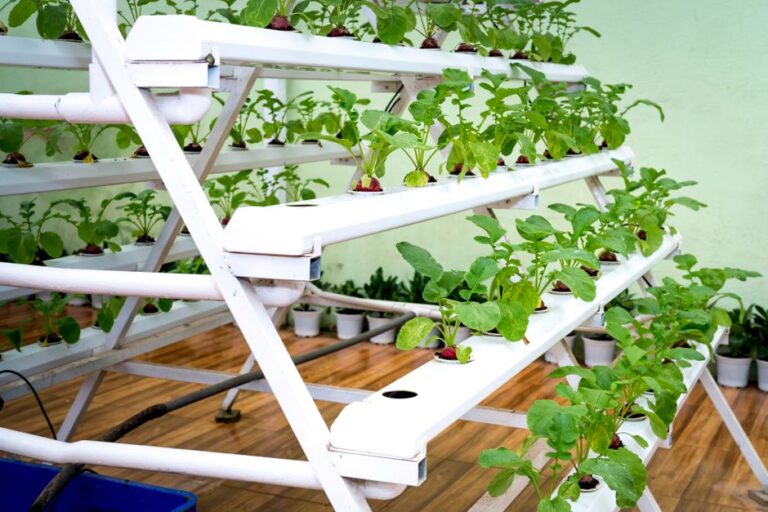
Vertical farming is a method of growing crops in stacked layers or vertical columns, often incorporating controlled environment agriculture (CEA) technology. This approach allows for the cultivation of plants in urban areas, reducing the need for transportation and minimizing the carbon footprint associated with traditional farming. Vertical farms can operate indoors or in greenhouses, utilizing artificial lighting, climate control, and hydroponic or aeroponic systems to create optimal growing conditions.
The concept of vertical farming is not entirely new; however, advancements in technology have made it more feasible and efficient. According to a report by the Food and Agriculture Organization (FAO), urban populations are expected to reach 68% by 2050, making vertical farming a viable solution to meet the increasing food demand in densely populated areas.
Benefits of Vertical Farming
One of the most significant advantages of vertical farming is its ability to conserve resources. Traditional agriculture requires vast amounts of land, water, and energy, leading to environmental degradation. In contrast, vertical farms use up to 90% less water than conventional farming methods, as they recycle water within closed systems. This efficiency not only conserves water but also reduces the need for chemical fertilizers and pesticides, promoting healthier and more sustainable food production.
Additionally, vertical farming can yield crops year-round, independent of seasonal changes and weather conditions. This consistent production capability ensures a stable food supply, reducing the risk of food shortages and price fluctuations. For instance, a vertical farm can produce up to 100 times more food per square foot compared to traditional farms, significantly increasing agricultural productivity.
Challenges and Considerations
Despite its numerous benefits, vertical farming technology also faces several challenges. The initial investment costs for setting up a vertical farm can be substantial, as advanced technology and infrastructure are required. Moreover, the energy consumption associated with artificial lighting and climate control can be a concern, particularly in regions where energy costs are high.
Another challenge is the need for skilled labor to manage and operate vertical farms. As this technology is still relatively new, there is a shortage of professionals with the necessary expertise in hydroponics, aeroponics, and vertical farming systems. However, as the industry grows, educational programs and training opportunities are beginning to emerge, helping to bridge this skills gap.
Real-World Applications of Vertical Farming
Several companies and initiatives around the world are already harnessing the potential of vertical farming. For example, AeroFarms, a leader in the vertical farming industry, operates a facility in Newark, New Jersey, that produces over 2 million pounds of greens annually using aeroponic technology. Similarly, Plenty, based in San Francisco, has developed vertical farms that leverage machine learning and data analytics to optimize crop growth.
In addition, major cities such as Singapore and Tokyo are investing in vertical farming as part of their urban planning strategies. Singapore’s Sky Greens, for instance, has created a pioneering vertical farm that utilizes a unique A-frame system to maximize space and efficiency. These real-world applications demonstrate the scalability and versatility of vertical farming technology.
The Future of Vertical Farming
As the demand for sustainable food production continues to rise, the future of vertical farming looks promising. Innovations in technology, such as artificial intelligence and IoT, are expected to enhance the efficiency and effectiveness of vertical farms. For instance, IoT sensors can monitor plant health, moisture levels, and nutrient composition in real-time, allowing for precise adjustments to optimize growth conditions.
Moreover, as consumer awareness of environmental issues grows, the demand for locally sourced and sustainably produced food will likely increase. Vertical farming can play a crucial role in meeting this demand, providing fresh, nutritious produce directly to urban consumers.
The integration of vertical farming into existing agricultural systems may also pave the way for new collaborations between urban planners, farmers, and technology providers. By working together, stakeholders can create a more sustainable food ecosystem that benefits both people and the planet.
Conclusion
In conclusion, vertical farming technology represents a transformative approach to agriculture that addresses the pressing challenges of food production in an urbanized world. With its numerous benefits, including resource conservation, year-round production, and reduced environmental impact, vertical farming has the potential to play a pivotal role in the future of food security. As advancements continue to emerge and the industry matures, it is essential for stakeholders to embrace this innovative solution and explore its possibilities. For those interested in diving deeper into the intricacies of vertical farming technology, further research and exploration will undoubtedly reveal even more exciting developments on the horizon.
About the Author