
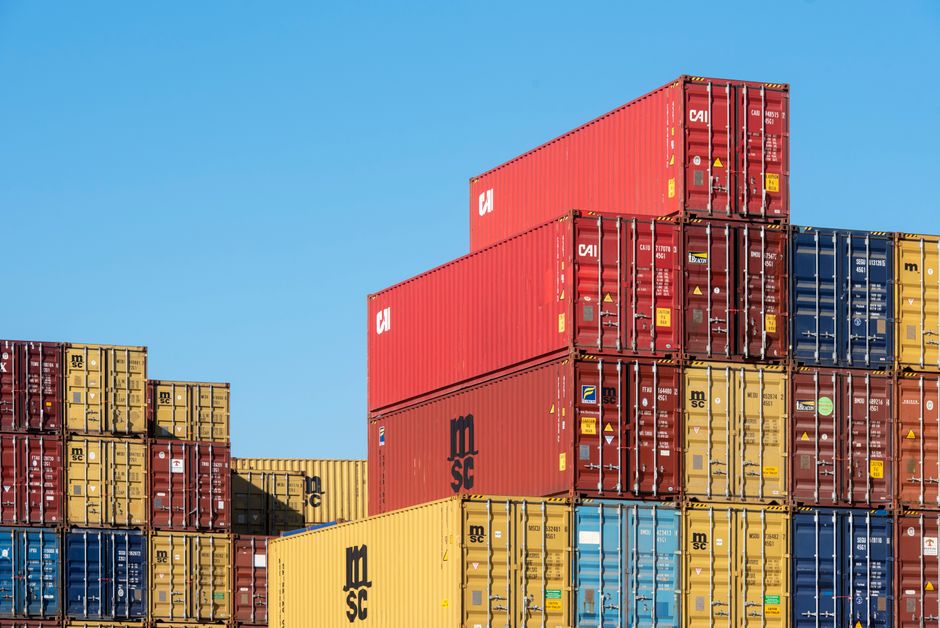
In today’s global economy, shipping goods internationally has become a common practice for businesses of all sizes. However, with the convenience of shipping comes the inherent risk of loss or damage to cargo during transit. This is where cargo insurance plays a critical role, safeguarding businesses against potential financial losses. This article will explore what cargo insurance is, the types available, and why it is essential for businesses involved in shipping.
What is Cargo Insurance?
Cargo insurance is a type of insurance that protects goods being transported over land, sea, or air from loss or damage. It provides financial compensation for the policyholder in the event of unforeseen incidents, such as theft, accidents, or natural disasters. Understanding the specifics of cargo insurance is vital for businesses to ensure the safety of their shipments.
There are two primary types of cargo insurance: open cargo policies and specific cargo policies. An open cargo policy covers all shipments made within a specified period, while a specific cargo policy is tailored for individual shipments. Depending on the nature of the business and the volume of shipments, companies can choose the type that best suits their needs.
The Importance of Cargo Insurance
The significance of cargo insurance cannot be overstated, especially in an era where supply chains are increasingly complex. Shipping companies and businesses must protect themselves from potential losses that could arise from damaged or lost cargo. Without cargo insurance, a company may bear the full financial burden of such losses, which can be devastating.
Moreover, cargo insurance is often a requirement set by shipping companies. Many carriers will not accept shipments without proof of insurance, as it protects both the shipper and the carrier from liability. This makes it not just a safety net for businesses, but also a logistical necessity.
Common Risks in Shipping
Shipping goods is fraught with various risks that can jeopardize the safety of the cargo. These risks include accidents during transport, theft, vandalism, and extreme weather conditions. For instance, a study by the Institute of International Container Lessors found that approximately 10% of containers are lost or damaged during transit due to various causes.
It’s also worth noting that specific industries may face unique risks. For example, electronics goods may be more susceptible to damage from moisture, while perishable items face risks related to spoilage. Understanding these risks can help businesses tailor their cargo insurance policies more effectively.
How to Choose the Right Cargo Insurance
Choosing the right cargo insurance requires careful consideration of various factors. Businesses should first assess the value of their cargo and the risks associated with their specific shipping routes. Next, they should evaluate the coverage options available, including how much of the cargo’s value is covered and any deductibles that may apply.
Another important aspect is to review the insurer’s reputation and claims process. A reliable insurance provider with good customer service can make the claims process much smoother in the event of a loss. Additionally, businesses should keep detailed records of their shipments, as this can expedite any claims made.
Conclusion: The Necessity of Cargo Insurance
In conclusion, cargo insurance is an indispensable aspect of modern shipping that protects businesses from financial loss due to unforeseen circumstances. As shipping continues to evolve with global trade, the importance of having adequate coverage will only increase. By understanding the nuances of cargo insurance and selecting the right policy, businesses can ensure that their goods are safeguarded throughout the shipping process, allowing them to focus on growth and expansion.
About the Author