The world of metal fabrication is a fascinating and complex industry that plays a crucial role in various sectors, from construction to automotive manufacturing. Metal fabrication shops are at the heart of this industry, providing essential services that transform raw metal into usable parts and structures. Understanding what a metal fabrication shop does and how it operates is vital for businesses looking to leverage these services effectively.
What is a Metal Fabrication Shop?
A metal fabrication shop is a facility that specializes in transforming raw metal into finished products through various processes including cutting, bending, welding, and assembling. These shops cater to a wide range of industries, producing everything from simple components to intricate structures. The services offered can vary significantly between shops, depending on their equipment, expertise, and target markets.
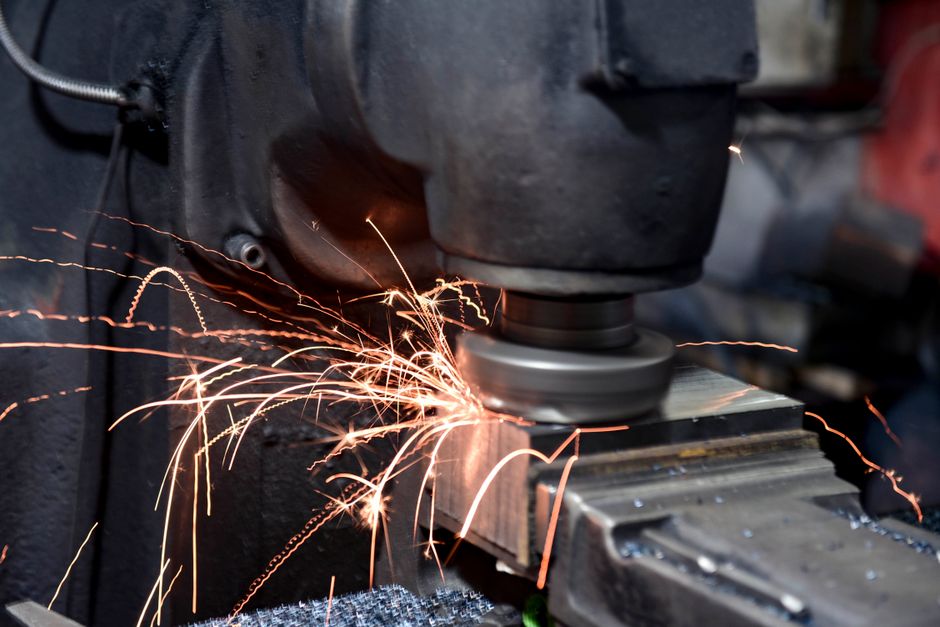
Typically, a metal fabrication shop employs skilled workers who are adept at using specialized machinery and tools. These can include laser cutters, CNC machines, and welding equipment. Each of these tools plays a vital role in the fabrication process, allowing for precision and efficiency. For instance, CNC machines enable the fabrication of complex shapes with high accuracy, which is essential for industries that demand high-quality standards.
The Importance of Metal Fabrication in Modern Industry
Metal fabrication is not just about shaping metal; it is a critical component of modern manufacturing processes. According to a recent industry report, the global metal fabrication market was valued at approximately $18 billion in 2020 and is expected to grow significantly over the next few years. This growth is largely driven by the increasing demand for metal products in construction, automotive, and aerospace sectors.
In the construction industry, for example, metal fabrication is essential for creating structural components such as beams, columns, and frames. These elements are crucial for ensuring the stability and safety of buildings. Additionally, the automotive industry relies heavily on metal fabrication for producing parts like chassis, engine components, and body panels. This interdependence highlights the significance of metal fabrication shops in supporting various sectors.
Processes Involved in Metal Fabrication
Metal fabrication encompasses a range of processes that transform raw materials into finished products. The primary processes include cutting, bending, welding, and finishing. Each process has its own set of techniques and tools, making it essential for shops to have a diverse skill set and equipment.
1. **Cutting:** This is often the first step in metal fabrication. Techniques like laser cutting and plasma cutting are popular, as they provide high precision and can handle a variety of metal types.
2. **Bending:** After cutting, the metal pieces are bent into the required shapes. This can be done using press brakes or other bending machines that apply force to achieve the desired angle.
3. **Welding:** Welding is a critical process that joins metal pieces together. Various welding techniques, including MIG, TIG, and stick welding, are employed depending on the project requirements.
4. **Finishing:** Finally, finishing processes such as painting, powder coating, or galvanizing are applied to protect the metal and enhance its appearance. These steps are crucial for durability and aesthetics.
Choosing the Right Metal Fabrication Shop
When selecting a metal fabrication shop, businesses must consider several factors to ensure they partner with the right provider. Key considerations include the shop’s experience, capabilities, and reputation. A shop with a proven track record in the specific type of fabrication required can significantly impact the quality and efficiency of the final product.
Additionally, it’s important to assess the shop’s equipment and technology. Facilities that invest in modern machinery tend to produce higher-quality products and can handle more complex projects. For example, a shop that utilizes advanced CNC technology will be able to produce parts with greater precision than one that relies solely on manual processes.
Lastly, customer service and communication are crucial. A responsive shop that understands the client’s needs and provides regular updates can help ensure that projects run smoothly and meet deadlines.
Conclusion
In conclusion, metal fabrication shops are vital players in the manufacturing landscape, providing essential services that support a wide range of industries. Understanding the processes involved and the importance of choosing the right shop can greatly enhance the effectiveness of any project requiring metal components. Whether you are in construction, automotive, or any other field that relies on metal fabrication, partnering with a reliable and capable metal fabrication shop is key to your success.
About the Author