
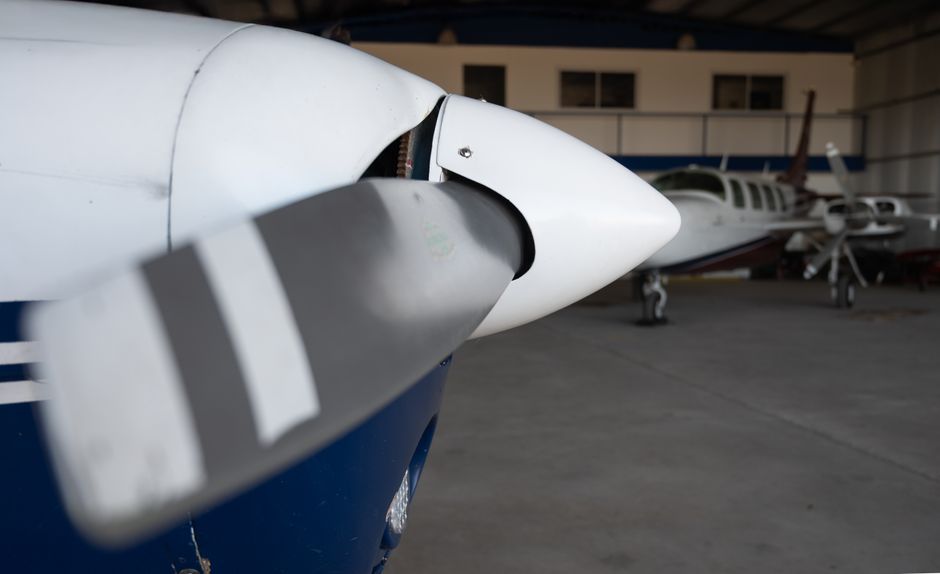
In the world of aviation, safety is paramount. The reliability of aircraft is largely dependent on the rigorous maintenance provided by specialized companies dedicated to this critical service. As air travel continues to grow, the demand for efficient and effective aircraft maintenance companies has never been higher. This article delves into the essential functions, challenges, and advancements in the aircraft maintenance industry.
Understanding Aircraft Maintenance
Aircraft maintenance encompasses a wide range of services aimed at ensuring the airworthiness of an aircraft. This includes routine inspections, repairs, and modifications necessary to keep planes operating safely. Maintenance can be divided into two primary categories: line maintenance and heavy maintenance. Line maintenance involves minor repairs and inspections that can be done quickly, often between flights. In contrast, heavy maintenance refers to more extensive checks performed at scheduled intervals, which can take several days to weeks to complete.
The importance of these services cannot be overstated. Regular maintenance not only ensures compliance with regulatory standards but also significantly reduces the likelihood of mechanical failures during flights. According to the Federal Aviation Administration (FAA), proper maintenance practices contribute to a 40% reduction in accidents related to mechanical issues.
The Role of Technology in Aircraft Maintenance
Advancements in technology have revolutionized the way aircraft maintenance is conducted. The integration of digital tools and software solutions has streamlined the maintenance process, enhancing accuracy and efficiency. For instance, predictive maintenance technologies use data analytics to forecast potential failures before they occur. By analyzing flight data, maintenance companies can identify patterns that indicate when an aircraft component may need attention.
Additionally, the use of drones for inspections has gained traction in recent years. Drones can access hard-to-reach areas of an aircraft, providing high-resolution images that facilitate quicker assessments and reduce the time required for manual inspections. These technological innovations not only improve safety but also help maintenance companies save on costs and resources.
Challenges Faced by Aircraft Maintenance Companies
Despite the advancements, aircraft maintenance companies face several challenges that can impact their operations. One significant issue is the shortage of skilled technicians. The aviation industry is experiencing a workforce gap, with many experienced professionals retiring and not enough new talent entering the field. This shortage can lead to increased workloads for existing staff, potentially affecting the quality of maintenance services.
Furthermore, regulatory compliance is a constant challenge. Aircraft maintenance companies must adhere to strict regulations set by aviation authorities worldwide. Keeping up with changes in these regulations requires ongoing training and education, which can be both time-consuming and costly.
The Importance of Choosing the Right Maintenance Company
When selecting an aircraft maintenance company, operators must consider several factors to ensure they are making the right choice. First, the company’s certifications and accreditations should be verified. A reputable aircraft maintenance company should hold certifications from recognized aviation authorities, demonstrating their commitment to safety and quality.
Next, operators should evaluate the company’s experience and track record. A company with a long history of successful maintenance operations is likely to have the expertise required to handle various aircraft models and maintenance scenarios. Additionally, customer reviews and testimonials can provide valuable insights into the company’s reliability and service quality.
Conclusion: The Future of Aircraft Maintenance
The future of aircraft maintenance looks promising, with continued advancements in technology and a growing emphasis on safety. As the aviation industry evolves, so too will the practices and processes within maintenance companies. Investing in training, embracing new technologies, and fostering a skilled workforce will be crucial for the sustainability of aircraft maintenance services. Ultimately, the role of these companies in ensuring the safety and reliability of air travel cannot be underestimated.
About the Author