
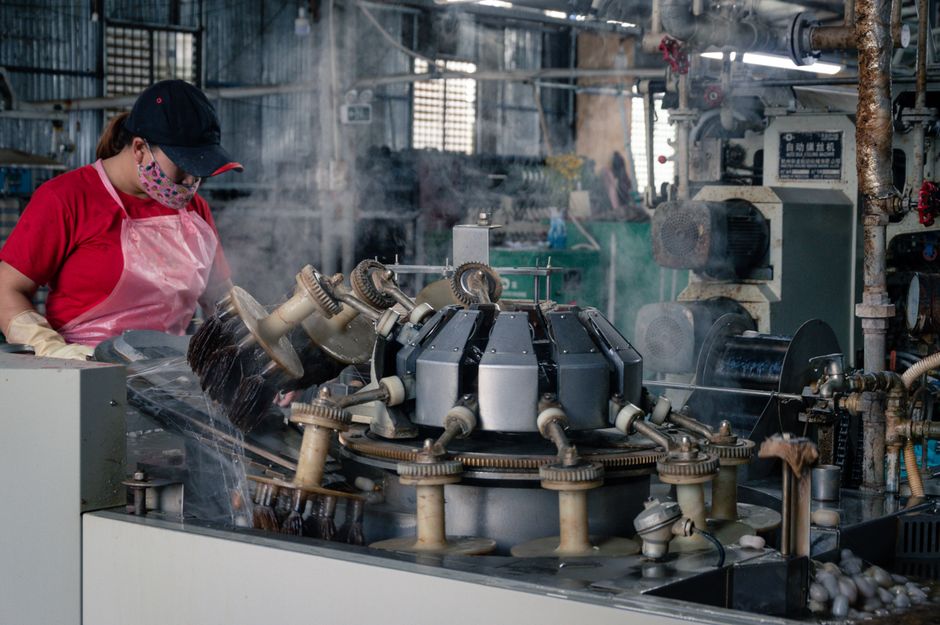
In today’s industrial landscape, the demand for precision-engineered components has never been higher. Among the various manufacturing techniques, rubber molding stands out as a highly effective method for producing a wide range of products. This article delves into the intricacies of rubber molding, focusing specifically on the role of manufacturers in this vital industry.
Understanding Rubber Molding
Rubber molding is a manufacturing process that involves shaping rubber into specific forms using molds. This technique is extensively used in various industries, including automotive, aerospace, and consumer goods, due to its ability to create durable and flexible products. The process can be categorized into several types, such as compression molding, injection molding, and transfer molding, each with its unique advantages.
The choice of molding technique can significantly impact the quality and cost-effectiveness of the final product. For instance, injection molding is ideal for high-volume production and offers excellent precision, while compression molding is often more cost-effective for smaller production runs. Understanding these differences is crucial for businesses looking to optimize their manufacturing processes.
The Role of Manufacturers in Rubber Molding
Manufacturers of rubber molding play a critical role in ensuring that the products meet industry standards and customer expectations. They are responsible for sourcing high-quality raw materials, designing molds, and implementing efficient production processes. A reputable fabricante moldeo caucho will have a team of experts who understand the nuances of rubber properties and how they interact with different molding techniques.
Moreover, manufacturers often collaborate closely with clients to ensure that the final products are tailored to specific requirements. This can involve custom mold design, material selection, and even prototyping to test various designs before full-scale production.
Quality Control and Compliance
Quality control is a fundamental aspect of rubber molding manufacturing. Manufacturers must adhere to stringent quality standards to ensure that their products are safe and reliable. This involves rigorous testing of raw materials and finished products, as well as compliance with industry regulations.
For example, in the automotive industry, rubber components must meet specific performance standards to ensure safety and reliability. Manufacturers often implement quality management systems (QMS) to streamline their processes and maintain compliance with international standards such as ISO 9001.
Innovations in Rubber Molding
The rubber molding industry is continually evolving, with advancements in technology driving innovation. New materials, such as thermoplastic elastomers (TPE), are being developed to offer enhanced performance characteristics, while improvements in molding machinery are increasing efficiency and reducing waste.
Furthermore, manufacturers are increasingly adopting automation and smart manufacturing technologies. These innovations not only enhance productivity but also improve precision in the molding process, leading to higher quality products. Staying ahead of these trends is essential for manufacturers looking to maintain a competitive edge in the market.
Future Trends in Rubber Molding
As industries continue to evolve, the demand for rubber molded products is expected to grow. The rise of electric vehicles, for example, is creating new opportunities for rubber manufacturers as these vehicles require specialized components. Additionally, sustainability is becoming a significant focus, with manufacturers exploring eco-friendly materials and processes.
In conclusion, the role of fabricante moldeo caucho is pivotal in the rubber molding industry. By understanding the nuances of the process, staying compliant with quality standards, and embracing innovations, these manufacturers can meet the growing demands of various sectors while contributing to a more sustainable future.
About the Author