The ambiance of a restaurant plays a crucial role in attracting and retaining customers. With the right interior design, establishments can create a unique identity that not only enhances the dining experience but also boosts profitability. This article delves into the essential elements of restaurant interior design, exploring trends, practical tips, and the psychological impact of space on patrons.
The Importance of First Impressions
First impressions matter, especially in the competitive world of dining. Studies show that customers form opinions about a restaurant within the first 30 seconds of entering. A well-designed interior can convey a sense of quality and professionalism, encouraging guests to stay longer and order more. Elements such as lighting, color schemes, and furniture layout all contribute to this initial perception.
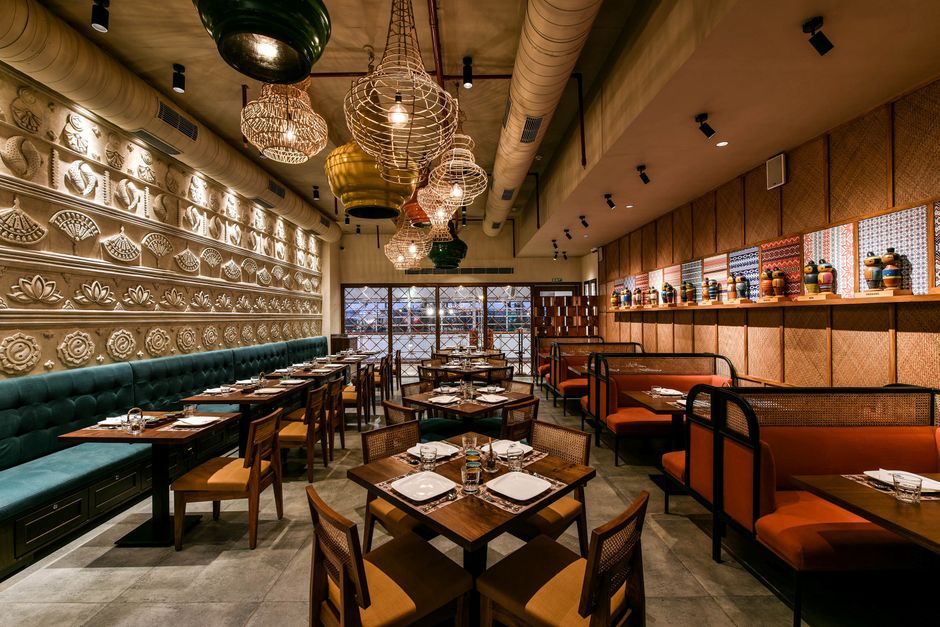
For instance, a restaurant that features warm lighting and comfortable seating can create a welcoming atmosphere, enticing customers to relax and enjoy their meal. In contrast, harsh lighting and cramped spaces may drive them away. Therefore, investing in thoughtful interior design is not merely an aesthetic choice but a strategic business decision.
Key Design Elements
Several critical elements define effective restaurant interior design. These include layout, color, materials, and lighting. Each component must work harmoniously to create a cohesive environment.
The layout is particularly vital; it should facilitate smooth traffic flow and provide customers with comfortable seating options. For example, open floor plans can create a sense of spaciousness, while intimate booths can foster a cozy dining experience. Similarly, the choice of colors can significantly influence mood—warm tones often evoke feelings of comfort and appetite, while cooler colors can create a more sophisticated vibe.
Materials play a role in durability and maintenance as well. High-quality materials not only enhance the aesthetic appeal but also withstand the wear and tear of daily operations. Incorporating elements like wood, metal, and textiles can add depth and interest to the design.
Trends in Restaurant Interior Design
Staying updated with the latest trends in restaurant interior design is essential for attracting a modern clientele. Currently, sustainability is a significant focus, with many establishments opting for eco-friendly materials and practices. This not only appeals to environmentally conscious customers but also contributes to a healthier planet.
Additionally, the trend of biophilic design, which incorporates natural elements like plants and natural light, is gaining traction. This approach enhances the dining experience by creating a calming atmosphere that resonates with patrons. Restaurants that successfully integrate these elements often report increased customer satisfaction and loyalty.
Moreover, technology is playing an increasingly important role in restaurant design. Smart lighting and sound systems can be adjusted to match the dining experience, while digital menus and ordering systems streamline operations. These innovations not only enhance efficiency but also improve customer engagement.
The Psychological Impact of Design
Understanding the psychology behind restaurant interior design can help owners make more informed decisions. Research indicates that the environment significantly influences dining behavior; for instance, customers in aesthetically pleasing settings are more likely to spend more money and leave positive reviews.
Furthermore, sound levels can affect the dining experience. Background music at the right volume can enhance enjoyment, while excessive noise can lead to discomfort. Therefore, thoughtful consideration of acoustics is essential in creating an inviting atmosphere.
Incorporating unique design elements can also foster a memorable experience. For example, a restaurant that features local artwork or cultural motifs can create a sense of place, allowing customers to connect with the surroundings. This connection can enhance loyalty and encourage repeat visits.
Conclusion: Investing in the Future
In conclusion, restaurant interior design is a multifaceted discipline that encompasses various elements, from layout and materials to trends and psychological impacts. By investing time and resources into creating a well-designed space, restaurant owners can significantly boost their establishment’s success. For those looking to enhance their dining environment, consulting with experts in restaurant interior design can provide valuable insights and innovative solutions. As the industry continues to evolve, staying ahead of design trends and customer preferences will be crucial for longevity and profitability.
About the Author