
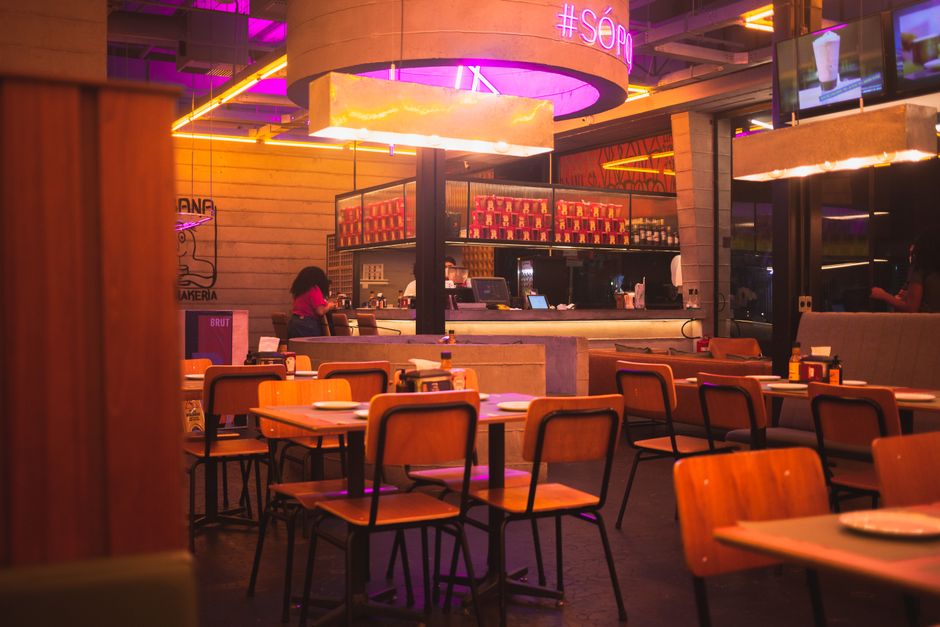
In the competitive world of gastronomy, a restaurant’s interior design plays a pivotal role in creating an inviting atmosphere that enhances the dining experience. From chic bistros to upscale dining establishments, the way a space is designed can make or break a restaurant’s success. This article delves into the key elements of restaurant interior design, exploring how thoughtful planning and creativity can elevate a dining venue.
Understanding the Importance of Atmosphere
The atmosphere of a restaurant is often what draws customers in and keeps them coming back. A well-designed interior not only complements the cuisine but also sets the mood for the dining experience. According to a survey conducted by the National Restaurant Association, 60% of diners believe that a pleasant ambiance significantly influences their restaurant choice. This highlights the need for restaurateurs to invest in quality interior design that reflects their brand identity.
Elements such as lighting, color schemes, and furniture selection are crucial in creating an inviting environment. For instance, warm lighting can evoke a sense of intimacy, while bright colors can energize the space. By aligning these elements with the restaurant’s overall theme, owners can ensure a cohesive and memorable atmosphere.
Trends in Restaurant Interior Design
As dining preferences evolve, so do the trends in restaurant interior design. Current trends include biophilic design, which incorporates natural elements like plants and water features to create a calming atmosphere. This trend not only enhances aesthetics but also promotes well-being among patrons. A study from The Journal of Environmental Psychology found that natural elements in design can reduce stress and increase satisfaction.
Another trend gaining momentum is the use of sustainable materials. Restaurants are increasingly opting for eco-friendly options, from reclaimed wood to recycled metals, to create a stylish yet responsible dining environment. Customers are becoming more conscious of their choices, and restaurants that embrace sustainability can appeal to this growing demographic.
Functional Layout and Flow
Beyond aesthetics, the layout of a restaurant is crucial for operational efficiency and customer comfort. A well-thought-out floor plan can enhance the dining experience by ensuring a smooth flow of traffic. For example, the placement of tables should allow for easy movement for both guests and staff, reducing wait times and improving service.
Moreover, different dining areas can cater to various customer preferences. Some may enjoy the buzz of a lively bar area, while others may prefer a quieter corner for intimate gatherings. By segmenting the space, restaurants can accommodate diverse clientele and enhance overall satisfaction.
Personalizing the Dining Experience
One of the most effective ways to stand out in the crowded restaurant market is by personalizing the dining experience through interior design. Unique decor elements, such as local art or custom furniture, can create a sense of place and connect diners to the community. According to a study by the Culinary Institute of America, restaurants that incorporate local culture into their design see a 15% increase in repeat visits.
Furthermore, incorporating technology into the design can also enhance personalization. From digital menus to mobile ordering systems, the integration of tech can streamline operations and improve customer engagement. However, it’s essential to balance technology with the warm, inviting atmosphere that diners seek.
Conclusion: Designing for Success
In conclusion, restaurant interior design is not merely about aesthetics; it encompasses creating an environment that reflects the brand, enhances customer experience, and drives business success. By understanding the importance of atmosphere, staying abreast of design trends, ensuring functional layouts, and personalizing the dining experience, restaurateurs can create spaces that resonate with their patrons. Investing in quality restaurant interior design is a step towards building a memorable dining experience that customers will cherish and return to time and again.
About the Author