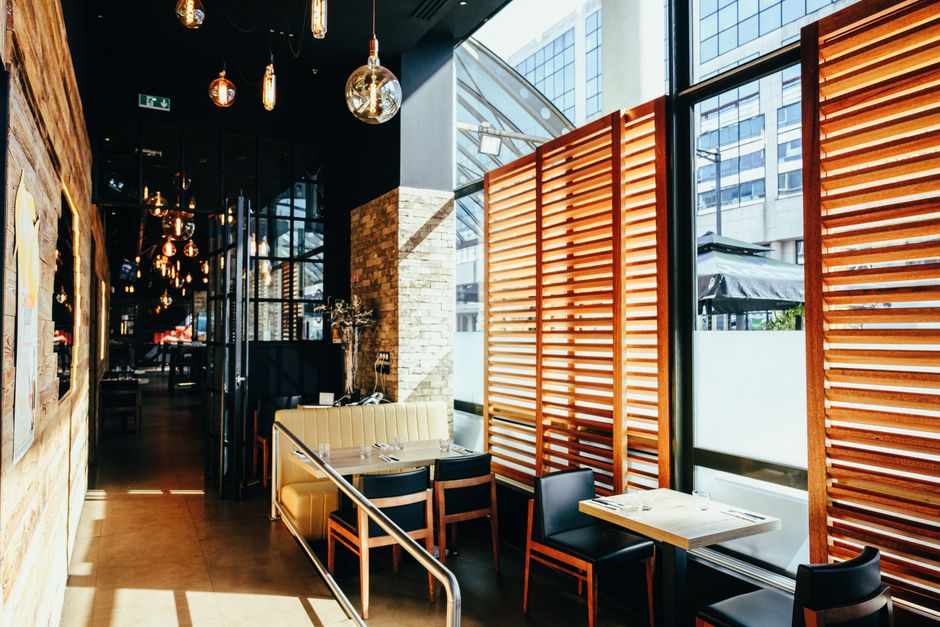
The interior design of a restaurant plays a pivotal role in shaping the overall dining experience. It is not just about aesthetics; it encompasses functionality, atmosphere, and the message a brand wishes to convey. As competition in the restaurant industry intensifies, understanding the nuances of restaurant interior design can set a venue apart from others. In this article, we will explore essential elements of restaurant interior design, trends, and practical tips for creating an inviting space that resonates with patrons.
Understanding the Importance of Interior Design
Interior design serves as the foundation for a restaurant’s identity. It is where culinary art meets visual appeal, influencing customers’ perceptions and emotions. Studies indicate that 90% of the first impression is based on visual factors, highlighting the significance of a well-thought-out design. An inviting atmosphere can enhance customer satisfaction, leading to repeat visits and positive word-of-mouth.
Moreover, the layout of a restaurant can affect operational efficiency. A well-designed space ensures smooth movement for both staff and customers, optimizing service delivery. For instance, placing tables at an appropriate distance allows for easier navigation, while strategically locating the kitchen can reduce wait times.
Key Elements of Restaurant Interior Design
1. **Theme and Concept**: Establishing a clear theme helps unify the design elements. Whether a rustic farmhouse, sleek modern, or ethnic cuisine, the theme should influence color schemes, furniture choices, and decor.
2. **Color Psychology**: Colors evoke emotions and can significantly affect dining experiences. Warm hues like red and orange stimulate appetite, while cool tones like blue and green promote relaxation. Incorporating the right colors can enhance the overall atmosphere of the restaurant.
3. **Lighting**: Lighting sets the mood and creates ambiance. A combination of natural light during the day and soft, warm lighting at night can transform a space. Consider using dimmers and accent lighting to highlight specific areas or features.
4. **Furniture Selection**: The choice of furniture must align with the restaurant’s theme while ensuring comfort. Ergonomically designed chairs and tables can enhance customer satisfaction. Additionally, flexible seating arrangements can accommodate different group sizes.
5. **Art and Decor**: Unique artworks or decor elements can serve as focal points that enhance the dining experience. Local artists’ works or themed decorations can add a personal touch and engage customers.
Incorporating Technology into Interior Design
Modern restaurants are increasingly incorporating technology into their interior design, enhancing customer experiences. Digital menus, interactive tables, and smart lighting systems are becoming prevalent. These technological advancements not only streamline operations but also provide a contemporary feel to the establishment.
For instance, implementing a reservation system through a digital interface can reduce wait times and improve customer satisfaction. Additionally, smart lighting systems can adjust based on the time of day or customer volume, creating a dynamic atmosphere.
Case Studies in Successful Restaurant Interior Design
Many successful restaurants have effectively utilized interior design to enhance their brand image. For example, a renowned Italian restaurant in New York transformed its space by integrating traditional Italian decor with modern design elements. The use of rustic wooden tables and vibrant murals created an inviting atmosphere that reflects the brand’s identity.
Another case is a trendy café in San Francisco that focused on a minimalist design. By using a neutral color palette and simple furnishings, the café created a clean and modern vibe, attracting a young, urban clientele. Such examples demonstrate how thoughtful design can elevate a restaurant’s appeal.
Practical Tips for Restaurant Owners
For restaurant owners looking to revamp their interior design, consider these practical tips:
– **Conduct Market Research**: Understand your target audience and what appeals to them. Tailoring your design to meet their preferences can increase customer retention.
– **Hire Professionals**: Collaborating with experienced interior designers can bring expertise and fresh ideas. A professional can help create a cohesive design that aligns with your brand vision.
– **Regular Updates**: Trends evolve, and so should your restaurant’s interior. Regularly updating decor and furniture can keep the space fresh and inviting, encouraging repeat visits.
– **Gather Feedback**: Encourage customers to provide feedback on their dining experience. Understanding their preferences can guide future design decisions.
Conclusion
In conclusion, restaurant interior design is a crucial aspect that can significantly impact customer experience and overall business success. By understanding key elements such as theme, color, lighting, and furniture, restaurant owners can create an inviting atmosphere that resonates with their target audience. As trends evolve, staying current with design innovations and incorporating technology can further enhance the dining experience. Investing in thoughtful interior design is not just an aesthetic choice; it is a strategic decision that can drive customer loyalty and increase profitability. For those looking to delve deeper into restaurant interior design, exploring various styles and trends can provide valuable insights into creating the perfect dining environment.
About the Author