In the competitive world of dining, the atmosphere can make or break a restaurant’s success. Interior design plays a crucial role in creating an inviting and memorable experience for diners. From the choice of colors and materials to the layout and furnishings, every detail contributes to the overall ambiance. This article explores the significant aspects of restaurant interior design, offering insights and practical tips for restaurant owners and designers alike.
The Importance of First Impressions
When guests walk into a restaurant, their first impression is heavily influenced by the interior design. Studies show that customers often judge a restaurant within the first few seconds of entering. A well-designed space can evoke feelings of comfort and excitement, encouraging diners to stay longer and order more. Elements like lighting, decor, and seating arrangements are all critical factors that contribute to this initial reaction.
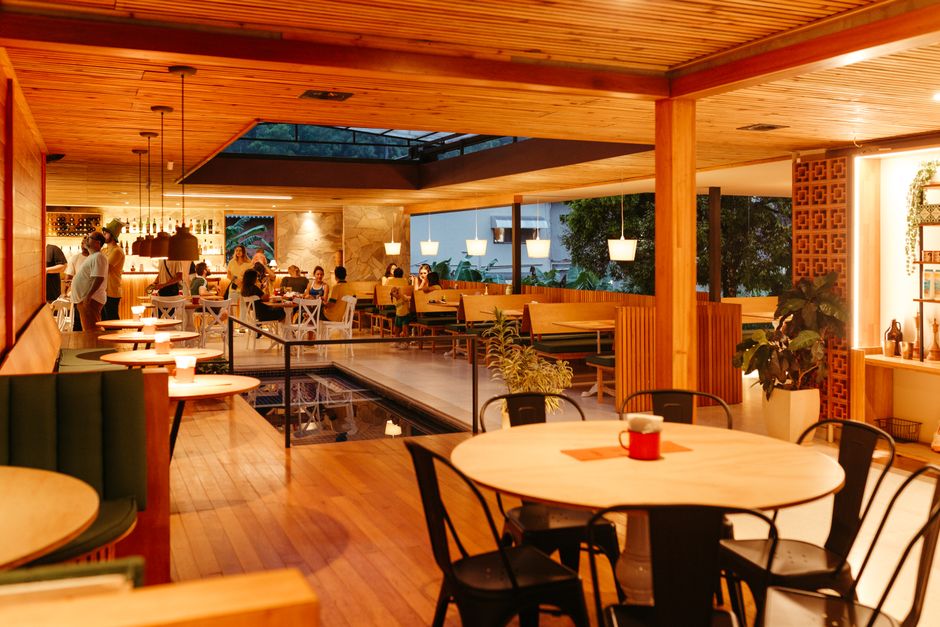
For instance, a restaurant that features warm lighting, comfortable seating, and unique decor elements can create an inviting atmosphere. On the other hand, a poorly designed space with harsh lighting and uncomfortable furniture can drive customers away. Therefore, investing in thoughtful interior design is essential for attracting and retaining customers.
Creating a Cohesive Theme
One of the key aspects of effective restaurant interior design is establishing a cohesive theme. A well-defined theme helps to create a unique identity for the restaurant and sets expectations for diners. Whether it’s a rustic farm-to-table concept or a sleek modern eatery, the theme should be reflected in every element of the design.
For example, a seafood restaurant might incorporate elements of coastal decor, such as light blue colors, driftwood accents, and nautical-themed artwork. This consistency helps to reinforce the brand and enhances the overall dining experience. Additionally, a strong theme can make a restaurant more memorable, increasing the likelihood of repeat visits.
Functional Layout and Flow
Beyond aesthetics, the functionality of a restaurant’s layout is paramount. A well-planned layout ensures that the space flows seamlessly, allowing both staff and customers to navigate easily. Factors such as the placement of the bar, kitchen, and dining areas must be considered to optimize efficiency and comfort.
According to industry experts, an effective layout should prioritize customer experience while also facilitating staff operations. For instance, placing the kitchen close to the dining area can reduce service times, while ensuring that tables are spaced adequately can enhance privacy and comfort for diners. By focusing on both aesthetics and functionality, restaurant owners can create a space that is both beautiful and practical.
Incorporating Technology and Sustainability
As technology continues to evolve, many restaurants are incorporating modern elements into their interior design. Digital menus, self-order kiosks, and interactive dining experiences are becoming increasingly popular. These innovations not only enhance the customer experience but also streamline operations.
Moreover, sustainability is an essential consideration in today’s design landscape. Restaurants are increasingly opting for eco-friendly materials and practices, such as using reclaimed wood, energy-efficient lighting, and implementing recycling programs. These choices not only benefit the environment but also appeal to a growing demographic of environmentally-conscious diners.
As an example, restaurants that use sustainable materials in their interior design can effectively communicate their commitment to the environment, which can enhance their brand image and attract like-minded customers. By blending technology and sustainability into their design, restaurant owners can stay relevant and competitive in a rapidly changing industry.
Conclusion: The Future of Restaurant Interior Design
In conclusion, restaurant interior design is not merely an afterthought; it is a vital component of a successful dining experience. By understanding the importance of first impressions, creating a cohesive theme, ensuring functional layout, and incorporating technology and sustainability, restaurant owners can craft spaces that resonate with their customers. As the industry continues to evolve, staying attuned to design trends and consumer preferences will be essential for long-term success. For those looking to enhance their restaurant’s atmosphere, exploring professional services in restaurant interior design can provide valuable insights and creative solutions.
About the Author