The interior design of a restaurant is more than just aesthetics; it’s an integral part of the dining experience. A well-designed space can enhance the mood, influence customer behavior, and differentiate a restaurant from its competitors. In today’s competitive food industry, understanding the principles of restaurant interior design can turn an ordinary dining venue into a sought-after culinary destination.
The Importance of Interior Design in Restaurants
Restaurant interior design plays a crucial role in attracting customers and creating a lasting impression. According to a study by the National Restaurant Association, 60% of diners have left a restaurant due to poor ambiance. This statistic highlights the necessity for restaurateurs to invest in thoughtful design. An inviting and well-planned space can encourage patrons to linger longer, leading to increased sales.
Furthermore, the design should reflect the restaurant’s theme and cuisine. For example, a rustic Italian trattoria might feature wooden beams and warm colors, while a modern sushi bar might incorporate sleek lines and minimalist decor. The alignment of the interior with the overall concept creates a coherent experience and reinforces brand identity.
Key Elements of Restaurant Interior Design
Several elements come together to create an effective restaurant interior design. Lighting is one of the most critical factors; it affects the atmosphere and can drastically change the perception of food. Soft, warm lighting can make a space feel cozy and intimate, while brighter, cooler lighting could lend an energetic vibe suitable for a casual eatery.
Furniture selection is another vital component. Comfortable seating can significantly enhance the dining experience, encouraging guests to enjoy their meals without feeling rushed. Additionally, the layout of the furniture should facilitate smooth traffic flow, ensuring that both staff and diners can navigate the space easily.
Color Psychology in Restaurant Design
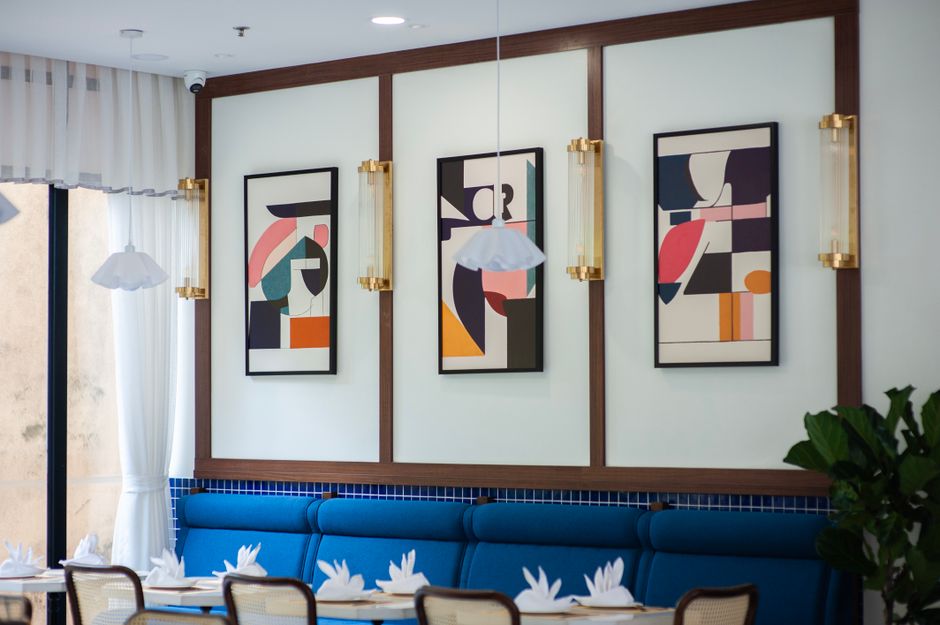
The use of color in restaurant interior design is not merely a cosmetic choice; it can influence customer behavior and mood. Warm colors like red and yellow are known to stimulate appetite and encourage quick turnover, making them popular choices in fast-food establishments. Conversely, cooler colors like blue can promote calmness and relaxation, which might be more suitable for upscale dining venues.
Choosing the right color palette is essential for creating the desired atmosphere. A well-researched color scheme can evoke emotions and set the tone for the dining experience. For instance, earthy tones can create a warm ambiance, while vibrant colors can energize a space and attract younger crowds.
Incorporating Technology into Restaurant Design
As technology continues to evolve, integrating it into restaurant design is becoming increasingly important. Many establishments are now utilizing interactive menus, digital ordering systems, and even augmented reality experiences to enhance customer engagement. This innovation not only improves efficiency but also adds a modern flair to the dining experience.
Moreover, the design should accommodate technology comfortably. Charging stations, Wi-Fi access points, and well-placed screens for displaying menus or promotions can enhance customer satisfaction. By seamlessly blending technology with interior design, restaurants can create a more dynamic and enjoyable environment for diners.
Case Studies: Successful Restaurant Designs
Successful restaurant designs often serve as inspiration for new establishments. For instance, the renowned Noma in Copenhagen utilizes natural elements and local materials, creating a connection to its surrounding environment. This design philosophy enhances the dining experience by making guests feel immersed in nature.
Another example is the eclectic aesthetic of Café de Flore in Paris, which combines vintage furniture with contemporary art. This blend creates a lively atmosphere that attracts both locals and tourists. Such case studies highlight the impact of thoughtful restaurant interior design and its ability to elevate a dining experience.
Conclusion
In conclusion, the interior design of a restaurant is a multifaceted aspect that can significantly influence its success. By understanding the importance of ambiance, the key elements of design, the psychology behind color choices, and the integration of technology, restaurateurs can create a memorable dining experience. Investing in quality interior design is not just about aesthetics; it’s about crafting an environment that resonates with customers and keeps them coming back for more. For those looking to dive deeper into the world of restaurant interior design, exploring various styles and trends can provide valuable insights.
About the Author