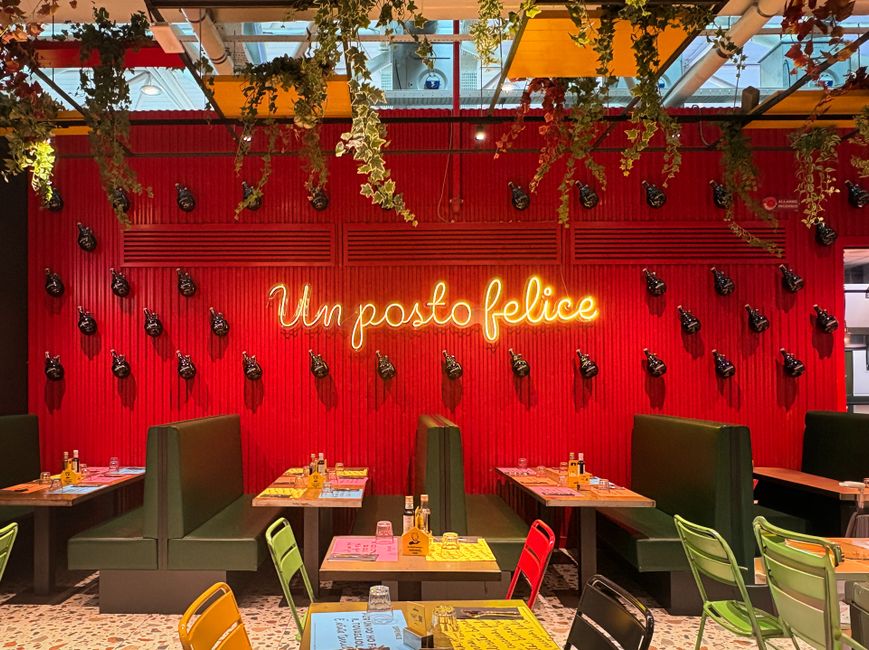
The ambiance of a restaurant plays a crucial role in enhancing the dining experience. As patrons step into a restaurant, they are not just greeted by the menu but also by the design that envelops them. From the color palette to the furniture layout, every element is crafted to evoke emotions and set a tone. In this article, we delve into the multifaceted world of restaurant interior design, exploring key principles, trends, and practical tips that can transform any dining space into a memorable experience.
Understanding the Importance of Interior Design
Restaurant interior design is not merely about aesthetics; it is an essential aspect of the overall business strategy. According to a survey by the National Restaurant Association, 80% of diners believe the restaurant’s atmosphere influences their decision to return. A well-designed space can enhance customer satisfaction, increase table turnover rates, and ultimately drive profitability.
Moreover, the interior design serves as a silent communicator of the restaurant’s brand identity. For instance, a fine dining restaurant may opt for luxurious fabrics and elegant lighting to convey sophistication, while a casual eatery might embrace a more relaxed and eclectic vibe. This alignment of design with branding is vital for attracting the right clientele.
Key Elements of Restaurant Interior Design
When designing a restaurant, several key elements must be considered to ensure a cohesive and inviting atmosphere:
1. **Color Scheme**: Colors can influence mood and appetite. Warm colors like red and orange can stimulate hunger, while cooler colors can create a calming effect. It’s essential to choose a color palette that reflects the restaurant’s theme and concept.
2. **Lighting**: The right lighting can dramatically alter the perception of a space. Ambient lighting creates a welcoming atmosphere, while task lighting helps highlight specific areas, such as the bar or dining tables. An effective lighting design can enhance the overall dining experience.
3. **Furniture Layout**: The arrangement of furniture affects not only the flow of the restaurant but also the comfort of diners. A well-thought-out layout ensures that guests can navigate easily while maintaining a sense of intimacy. Flexibility in furniture arrangement can also accommodate different group sizes and dining styles.
Incorporating Trends in Restaurant Design
Staying current with design trends can help restaurants remain competitive and appealing to patrons. Some of the notable trends in restaurant interior design include:
1. **Sustainable Design**: More restaurants are focusing on eco-friendly materials and practices. This includes using reclaimed wood, energy-efficient lighting, and sustainable furniture. Not only does this appeal to environmentally-conscious diners, but it also showcases the restaurant’s commitment to sustainability.
2. **Open Kitchen Concepts**: Open kitchens have become increasingly popular as they create a sense of transparency and engagement. Diners enjoy watching their meals being prepared, which can enhance their overall experience and trust in the restaurant’s food quality.
3. **Biophilic Design**: Incorporating natural elements, such as plants and natural light, can significantly improve the atmosphere of a restaurant. Studies have shown that biophilic design can enhance well-being and create a more enjoyable dining experience.
Practical Tips for Effective Restaurant Design
Designing or renovating a restaurant can be a daunting task, but these practical tips can guide the process:
1. **Define the Concept**: Before delving into design, it’s crucial to have a clear concept in mind. This includes understanding the target demographic, the type of cuisine, and the overall atmosphere you wish to create.
2. **Seek Professional Help**: Engaging with experienced designers can save time and resources. Professionals in restaurant interior design can provide valuable insights and help bring your vision to life while adhering to industry standards.
3. **Test the Space**: Before finalizing a design, consider creating mock layouts or prototypes. This allows you to visualize the space and make necessary adjustments before the actual implementation.
Conclusion
In conclusion, the significance of restaurant interior design cannot be overstated. It is a powerful tool that influences customer perceptions, enhances dining experiences, and ultimately drives business success. By understanding the essential elements of design, staying abreast of current trends, and applying practical strategies, restaurant owners can create unique and inviting spaces that keep patrons coming back for more. As the industry evolves, so too should the approaches to interior design, ensuring that each restaurant remains a memorable destination.
About the Author