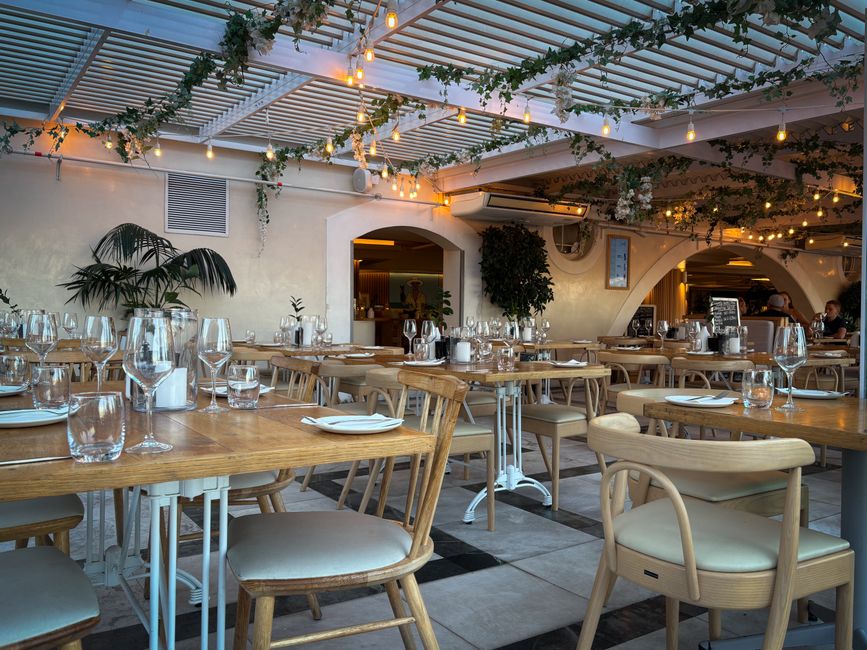
Restaurant interior design is more than just aesthetics; it plays a crucial role in shaping the dining experience. A well-designed restaurant can create an inviting atmosphere, enhance customer satisfaction, and ultimately drive sales. In this article, we will explore key elements of restaurant interior design, discuss current trends, and provide practical tips for creating an unforgettable dining environment.
Understanding the Importance of Interior Design
The interior of a restaurant is the first impression diners receive. A thoughtfully designed space can convey the restaurant’s brand identity, influence customer perceptions, and even affect their dining behavior. Research shows that ambiance significantly impacts diners’ decisions, with over 80% of customers stating that a restaurant’s decor affects their overall enjoyment.
Moreover, a well-planned interior can enhance functionality, making the space more efficient for both staff and customers. This includes considering the layout, flow of movement, and the positioning of furniture and fixtures. Effective interior design can also maximize the use of space, allowing for more covers without sacrificing comfort.
Key Elements of Restaurant Interior Design
When embarking on a restaurant interior design project, several key elements must be considered:
1. Layout: The layout determines how customers and staff navigate the space. An open layout can create a casual vibe, while a more segmented design may offer intimacy. It’s vital to balance space for diners and staff movements.
2. Color Scheme: Colors evoke emotions and influence moods. Warm colors like red and orange can stimulate appetite, while cooler tones such as blue and green can create a calm atmosphere. Choosing the right color palette is essential for setting the desired ambiance.
3. Lighting: Lighting plays a crucial role in creating mood. Natural light is ideal for a daytime cafe, while dim lighting can enhance the dinner atmosphere. Incorporating adjustable lighting can provide flexibility for different dining experiences.
4. Furniture: The choice of furniture should reflect the restaurant’s theme and target demographic. Comfortable seating can encourage diners to linger, while stylish furniture can enhance the overall aesthetic. It’s important to choose durable materials that withstand heavy use.
5. Decor: Artwork, plants, and decorative elements can personalize a space and make it memorable. Local art can connect with the community, while plants can add a touch of nature, improving air quality and creating a welcoming environment.
Current Trends in Restaurant Interior Design
Staying updated with current trends is essential for any restaurant looking to attract customers. Some popular trends include:
Sustainable Design: Many restaurants are opting for eco-friendly materials and practices. This includes using reclaimed wood, energy-efficient lighting, and sustainable furnishings. Not only does this appeal to environmentally conscious diners, but it also helps reduce operational costs.
Open Kitchens: The trend of open kitchens allows diners to see their food being prepared, enhancing transparency and trust. This design can create excitement and engagement, making the dining experience more interactive.
Multi-functional Spaces: As dining habits evolve, many restaurants are adopting flexible spaces that can serve multiple purposes. This includes areas that can be transformed for events, private dining, or casual gatherings, maximizing revenue potential.
Technology Integration: Incorporating technology into restaurant design can improve efficiency and customer experience. This includes digital menus, mobile ordering systems, and even augmented reality features that enhance the dining experience.
Practical Tips for Successful Design
Designing a restaurant can be a daunting task, but following some practical tips can ease the process:
1. **Define Your Brand:** Before starting the design process, clearly define your restaurant’s brand. This includes identifying your target audience, cuisine type, and overall theme. A cohesive design that aligns with your brand will create a stronger identity.
2. **Plan for Flexibility:** As trends and customer preferences change, consider designing spaces that can adapt over time. This allows for updates without complete overhauls, saving time and money.
3. **Engage Professionals:** If budget allows, hiring a professional interior designer can greatly enhance the outcome. They bring expertise in space planning, color theory, and material selection, ensuring the design is both functional and aesthetically pleasing.
4. **Gather Feedback:** Before finalizing the design, gather feedback from potential customers and staff. Their insights can highlight areas of improvement and ensure the space meets the needs of those who will use it.
5. **Focus on Experience:** Remember that the goal of interior design is to enhance the dining experience. Every element, from the layout to the decor, should contribute to a memorable visit.
Conclusion
In conclusion, restaurant interior design is a vital aspect of the dining experience that should not be overlooked. By understanding its importance, incorporating key elements, staying current with trends, and following practical tips, restaurant owners can create spaces that not only attract customers but also keep them coming back. With the right design, a restaurant can transform a simple meal into an unforgettable experience. For those looking to delve deeper into the art of restaurant interior design, resources and professionals are available to guide you through the process. Explore more about restaurant interior design to elevate your dining establishment.
About the Author