The interior design of a restaurant plays a crucial role in shaping the overall dining experience. It is not just about aesthetics; it is about creating an atmosphere that complements the cuisine and enhances the customer’s enjoyment. In this article, we will explore the key elements of effective restaurant interior design, considering factors such as layout, color schemes, lighting, and furniture selection. Each aspect contributes to a memorable dining experience that keeps customers coming back.
Understanding the Importance of Interior Design
Interior design impacts a restaurant’s brand identity and customer perceptions. It sets the mood and influences how patrons feel during their meal. A well-designed space can evoke emotions, encourage social interactions, and even enhance the flavors of the food served. According to a study by the Journal of Foodservice Business Research, restaurants with appealing interiors see a 20% increase in customer satisfaction, leading to higher sales.
Moreover, the layout of a restaurant can significantly affect the flow of service and the overall efficiency of operations. An effective design minimizes bottlenecks and allows staff to move freely, enhancing the dining experience. Therefore, understanding the importance of interior design is essential for restaurant owners aiming for success.
Key Elements of Restaurant Interior Design
When it comes to restaurant interior design, several key elements must be taken into consideration. These include layout, color schemes, lighting, and furniture selection. Each component must work harmoniously to create an inviting atmosphere.
For instance, the layout should facilitate smooth movement for both customers and staff. Open dining areas can promote social interaction, while private booths might provide a more intimate dining experience. Additionally, the choice of colors can influence mood. Warm tones like reds and oranges can stimulate appetite, while cooler shades can provide a calming effect.
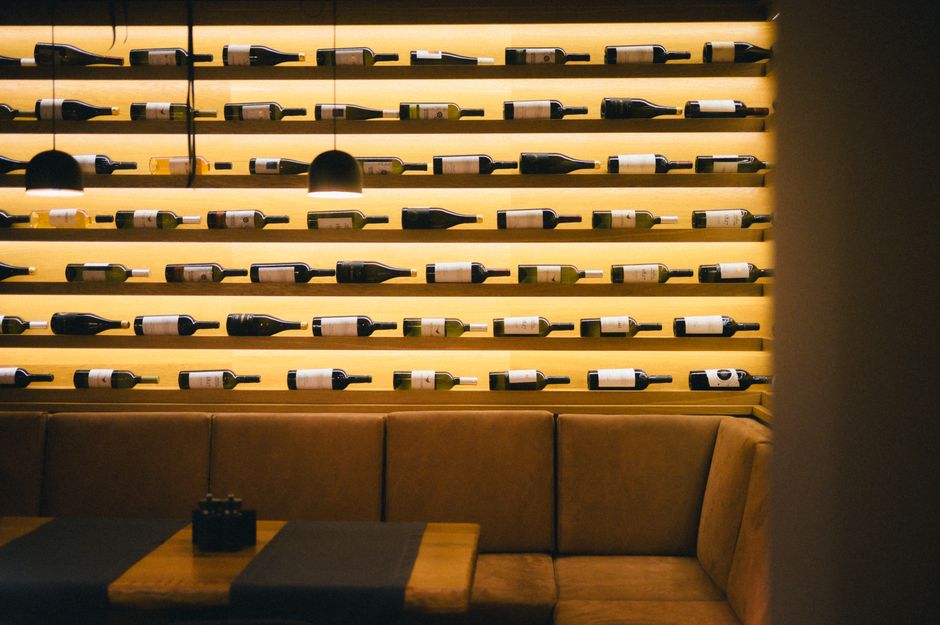
Lighting also plays a pivotal role in setting the tone. Bright lighting might be suitable for a casual eatery, while dim lighting can enhance the experience in fine dining establishments. Lastly, the selection of furniture should reflect the restaurant’s theme. Comfortable seating can encourage patrons to linger, increasing overall spending.
Case Studies: Successful Restaurant Designs
Examining successful restaurant designs can provide valuable insights into effective interior design strategies. For example, the famous restaurant chain, Hard Rock Cafe, uses memorabilia and rock music themes to create a unique dining atmosphere. The walls adorned with guitars and music posters draw in customers, making them feel immersed in the experience.
Another excellent example is the restaurant Blue Hill at Stone Barns in New York. Their interior design incorporates natural materials and an open kitchen concept, promoting transparency and a connection to the farm-to-table philosophy they embrace. This not only makes the dining experience more engaging but also aligns with their brand values.
These case studies illustrate that successful restaurant designs are not just about looks; they are about telling a story and creating a connection with customers.
Trends in Restaurant Interior Design
The world of restaurant interior design is ever-evolving, with new trends emerging regularly. One current trend is the use of sustainable materials and eco-friendly designs. Restaurants are increasingly focusing on reducing their environmental impact by using reclaimed wood, recycled materials, and energy-efficient systems.
Another trend is the incorporation of technology into the dining experience. Many restaurants are now integrating digital menus, contactless payments, and even augmented reality features to enhance customer interaction. This not only improves convenience but also adds a modern touch to the dining experience.
Additionally, flexible seating arrangements are gaining popularity. Restaurants are opting for modular furniture that can be rearranged for different events, accommodating various group sizes and dining styles.
Final Thoughts on Restaurant Interior Design
In conclusion, restaurant interior design is a vital aspect of creating an enjoyable dining experience. From the layout and color schemes to the lighting and furniture, every detail matters. Understanding how these elements work together can help restaurant owners create an inviting atmosphere that resonates with their target audience.
By focusing on effective design strategies, restaurant owners can not only enhance customer satisfaction but also boost their bottom line. For those looking to revamp their space or start a new venture, consulting professionals in restaurant interior design can provide valuable insights and expertise.
About the Author