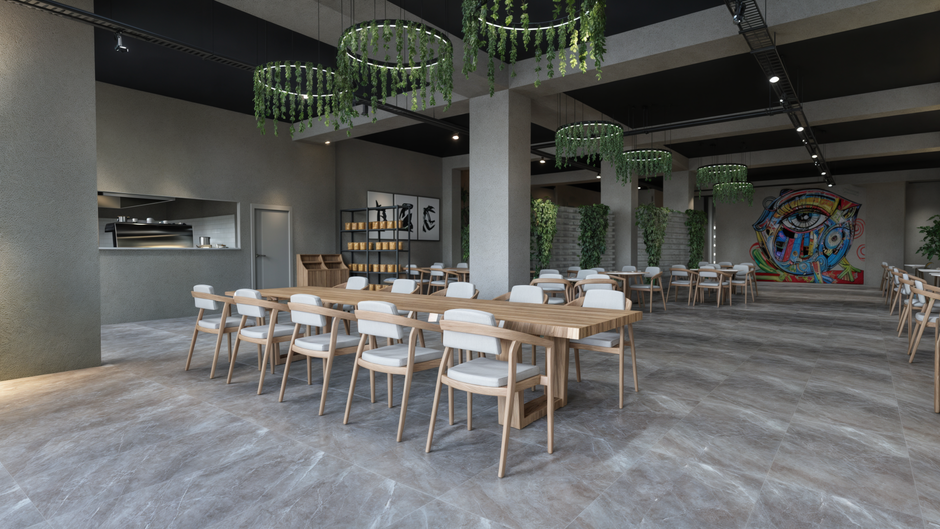
In the highly competitive world of dining, the interior design of a restaurant plays a pivotal role in attracting and retaining customers. A well-designed space not only enhances the dining experience but also reflects the brand’s identity, making it essential for restaurateurs to invest in thoughtful design. This article delves into the various elements that constitute effective restaurant interior design, exploring trends, practical tips, and how design can influence customer behavior.
The Importance of Restaurant Interior Design
When patrons enter a restaurant, their first impressions are shaped by the ambiance created through its interior design. Factors such as color schemes, furniture arrangement, and lighting can significantly impact how customers perceive the quality of food and service. According to a study by the Cornell University Food and Brand Lab, the atmosphere can affect food taste perceptions, indicating that a well-crafted environment could enhance the overall dining experience.
Moreover, an engaging design can foster a sense of comfort and relaxation, encouraging patrons to stay longer and order more. This is crucial for increasing average check sizes and enhancing customer satisfaction, both of which are vital for a restaurant’s success. In fact, studies have shown that restaurants with appealing interiors can see an increase in revenue of up to 30%.
Key Elements of Effective Restaurant Interior Design
Several key elements contribute to a successful restaurant interior design. These include layout, color, lighting, and furniture. Each aspect plays a unique role in creating a cohesive and inviting environment.
The layout must facilitate smooth movement for both guests and staff, while also providing intimate seating arrangements where necessary. For example, a restaurant might use a combination of spacious tables for larger groups and cozy booths for couples, effectively balancing privacy and social interaction.
Color choices also have psychological effects; warm tones can create a cozy atmosphere, while cool colors may evoke calmness. Therefore, selecting a color palette that aligns with the restaurant’s theme is essential. For instance, earthy tones could suit a farm-to-table restaurant, while vibrant colors may be fitting for a trendy eatery.
Trends in Restaurant Interior Design
Staying updated with current trends in restaurant interior design is vital for attracting a modern clientele. One prominent trend is the incorporation of sustainable materials, as more consumers prioritize eco-friendly practices. Restaurants are increasingly using reclaimed wood, recycled metal, and energy-efficient lighting, which not only appeal to environmentally-conscious diners but also add character to the space.
Another emerging trend is the integration of technology into the dining experience. Smart tables that allow customers to order and pay through a touchscreen interface are gaining popularity, enhancing convenience and efficiency. Additionally, augmented reality menus can offer an interactive experience, allowing diners to visualize their meals before ordering.
Moreover, biophilic design, which incorporates natural elements such as plants and water features, is becoming increasingly popular. This approach not only beautifies the space but also promotes well-being, making diners feel more relaxed and connected to nature.
Case Studies of Successful Restaurant Designs
Examining successful restaurant designs can provide valuable insights into effective interior design strategies. For instance, the renowned restaurant Noma in Copenhagen utilizes a minimalist design that highlights natural materials and seasonal elements, creating a unique dining experience that reflects its culinary philosophy.
Similarly, the Italian eatery Osteria Francescana in Modena combines contemporary art with traditional Italian design, resulting in an immersive atmosphere that captivates guests. These case studies demonstrate how exceptional restaurant interior design can elevate the dining experience and reinforce the restaurant’s brand identity.
Practical Tips for Restaurant Owners
For restaurant owners looking to enhance their interior design, several practical tips can be beneficial. First, consider engaging a professional designer who specializes in restaurant spaces. They can provide expert insights and create a design that aligns with the restaurant’s concept and target audience.
Secondly, prioritize flexibility in your design. Furniture that can be easily rearranged allows for adaptability in response to varying customer flows and events. This flexibility can be key for accommodating larger groups or private parties.
Lastly, never underestimate the power of details. Elements such as table settings, artwork, and decor can significantly impact the overall ambiance. Thoughtfully curated pieces can tell a story and create a memorable experience for diners.
Conclusion
In conclusion, restaurant interior design is a fundamental aspect of creating a successful dining establishment. It influences customer perceptions, enhances the dining experience, and ultimately drives revenue. By understanding the importance of design, staying updated with trends, and implementing practical strategies, restaurant owners can create spaces that not only attract customers but also foster loyalty. For more insights on restaurant interior design, exploring professional resources can provide further inspiration and guidance.
About the Author