
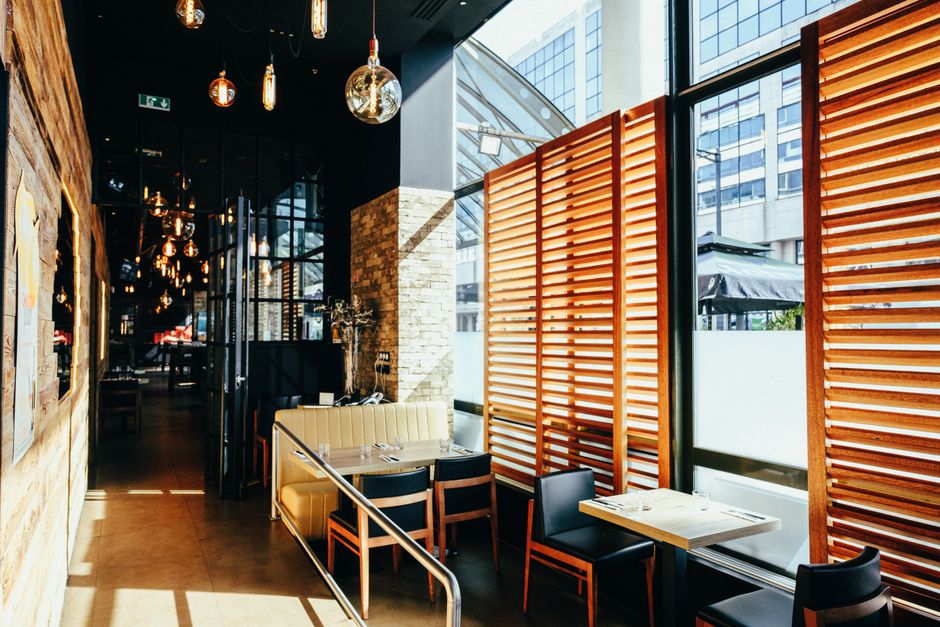
The ambiance of a restaurant can significantly affect a guest’s dining experience. From the choice of colors to the arrangement of furniture, every aspect of restaurant interior design plays a crucial role in creating a memorable atmosphere. In today’s competitive food industry, understanding the elements of effective interior design is more important than ever.
Understanding the Basics of Restaurant Interior Design
At its core, restaurant interior design encompasses more than just aesthetics; it combines functionality, comfort, and style. The design must facilitate smooth service while ensuring that customers feel relaxed and welcomed. Key elements include layout, lighting, color schemes, and furniture selection.
For instance, the layout of a restaurant should allow for efficient movement of both staff and customers. An open floor plan can encourage social interaction, while private booths can create an intimate dining experience. According to a survey by the National Restaurant Association, 60% of diners stated that they prefer a cozy, inviting atmosphere over a trendy, modern one.
Furthermore, color psychology plays a significant role in how customers perceive a space. Warm colors like red and orange can stimulate appetite, while cooler colors like blue can create a calming effect. Therefore, choosing the right color scheme is vital for enhancing the dining experience.
Incorporating Local Culture and Themes
One effective way to make a restaurant stand out is by incorporating local culture and themes into the interior design. This approach not only reflects the restaurant’s identity but also resonates with the local community.
For example, a restaurant in New Orleans might feature vintage decor inspired by the city’s rich history, while a sushi bar in California could embrace a minimalist design that reflects Japanese aesthetics. According to a recent study, restaurants that integrate local elements into their design see a 25% increase in customer retention.
Additionally, themed restaurants can provide a unique dining experience that attracts tourists and locals alike. Themed decor, such as vintage movie posters or rustic farmhouse elements, can transport diners to another time or place, enhancing their overall experience.
The Importance of Lighting
Lighting is one of the most crucial aspects of restaurant interior design. It can set the mood, highlight architectural features, and impact the overall dining experience. Different types of lighting—ambient, task, and accent—should be used in harmony to create an inviting atmosphere.
For instance, a fine dining restaurant may opt for dim, soft lighting to create an intimate setting, while a casual eatery might use bright, cheerful lighting to enhance a lively atmosphere. According to the International Journal of Hospitality Management, restaurants with well-thought-out lighting design can increase customer dwell time by up to 30%.
Moreover, incorporating natural light through large windows can significantly improve the ambiance. Studies show that natural light boosts mood and can even influence diners to order more food and beverages, thereby increasing sales.
Furniture Selection and Arrangement
The choice of furniture is another critical component of restaurant interior design. Comfortable seating encourages customers to linger, which can lead to increased spending. However, the design must also facilitate efficient service and maximize space.
For example, a restaurant might choose to use flexible seating options, such as movable chairs and tables, to accommodate different group sizes. This adaptability allows restaurants to optimize their layout for busy times without sacrificing comfort.
Furthermore, the materials and design of furniture should align with the overall theme of the restaurant. High-end establishments may opt for luxurious fabrics and elegant designs, while casual eateries might prefer simple, durable materials that are easy to clean.
Staying Ahead with Trends and Technology
As with any design field, restaurant interior design is constantly evolving. Keeping up with trends can help restaurants remain relevant and appealing to customers. For instance, the rise of eco-friendly design has led many restaurants to incorporate sustainable materials and energy-efficient lighting into their spaces.
Additionally, technology is playing an increasingly important role in restaurant design. Integrating digital menus and contactless payment systems can enhance the customer experience, making it more convenient and efficient.
According to a report by the National Restaurant Association, 70% of customers are more likely to visit a restaurant that offers technology-driven experiences. Therefore, adapting to these changes is essential for success in the industry.
Conclusion
Restaurant interior design is a multifaceted discipline that requires a deep understanding of both aesthetics and functionality. By focusing on key elements like layout, lighting, furniture selection, and cultural integration, restaurateurs can create inviting spaces that enhance the dining experience. As the industry continues to evolve, staying informed about trends and technological advancements will be crucial for success. For those looking to elevate their restaurant’s ambiance, investing in professional restaurant interior design can make all the difference.
About the Author