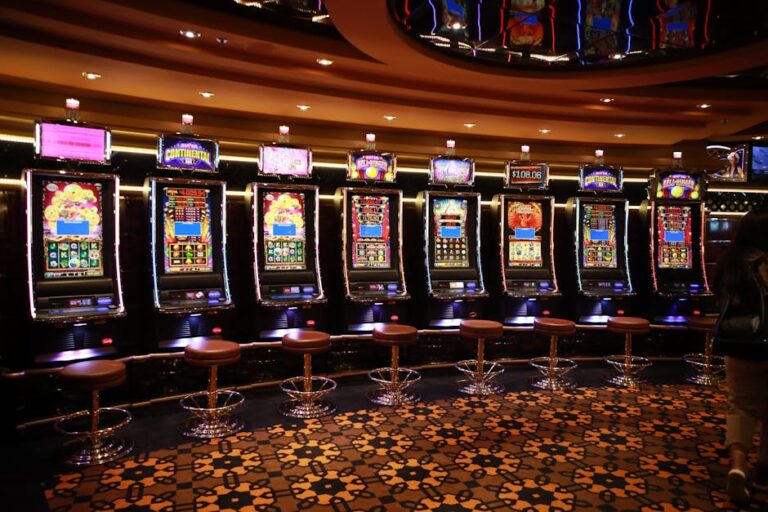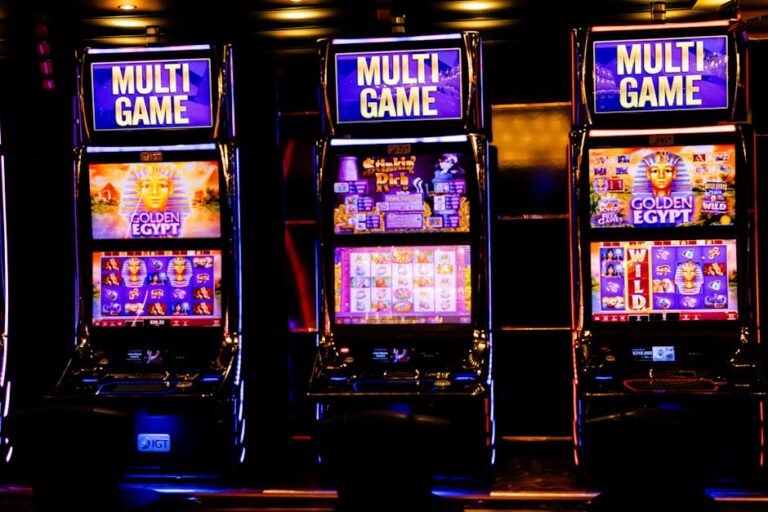
Casino slots have transformed the gambling landscape over the years, evolving from mechanical one-armed bandits to sophisticated digital machines with stunning graphics and engaging gameplay. This article explores the history of casino slots, their mechanics, and the psychology behind their popularity. Whether you’re a seasoned player or a curious newcomer, understanding the nuances of slot machines can enhance your overall gaming experience.
A Brief History of Casino Slots
The journey of casino slots began in the late 19th century with the invention of the first slot machine by Charles Fey in 1887. This machine, known as the Liberty Bell, featured three spinning reels and five symbols: hearts, diamonds, spades, horseshoes, and the Liberty Bell itself. Players would pull a lever to spin the reels, and if they aligned in a winning combination, they would receive a payout in coins.
As technology progressed, so did the design and functionality of slot machines. The introduction of electromechanical slots in the 1960s allowed for more complex gameplay and larger jackpots. However, it wasn’t until the advent of video slots in the 1970s that the industry truly exploded. These machines offered players interactive experiences with animated graphics and sound effects, capturing the attention of a new generation of gamblers.
The Mechanics of Slot Machines
Understanding how slot machines work is essential for any player looking to maximize their chances of winning. Modern slots utilize a Random Number Generator (RNG) to determine the outcome of each spin. This technology ensures that every spin is independent and random, making it impossible to predict when a jackpot will occur.
Most slot machines also employ various paylines, which are the lines on which a winning combination of symbols must land. Players can choose how many paylines to activate, with more active paylines increasing the chances of hitting a payout. Additionally, features such as wild symbols, scatter symbols, and bonus rounds add layers of excitement and potential rewards to gameplay.
The Psychology Behind Slot Machines
The appeal of slot machines is not just about luck; psychology plays a significant role in their popularity. The concept of near misses—when a player gets close to winning but falls short—can create a sense of excitement and encourage continued play. This phenomenon is often referred to as the ‘near-miss effect’ and can lead to players believing they are on the verge of winning.
Moreover, the design of slot machines is meticulously crafted to keep players engaged. Bright lights, engaging sounds, and immersive themes are all designed to create an exhilarating atmosphere that entices players to keep spinning the reels. In fact, studies have shown that the sensory experiences provided by slot machines can release dopamine in the brain, contributing to the feeling of pleasure and reward.
Strategies for Playing Slots
While winning at slots largely depends on luck, there are strategies players can employ to enhance their experience and potentially increase their returns. One effective strategy is to choose machines with higher Return to Player (RTP) percentages. RTP refers to the percentage of wagered money that a slot machine is programmed to return to players over time, with higher percentages indicating better odds for the player.
Another strategy is to manage your bankroll wisely. Setting a budget before playing and sticking to it can help prevent overspending. Additionally, players should take advantage of promotions and bonuses offered by casinos, as these can provide additional funds to play with and extend gameplay.
For those seeking a blend of convenience and excitement, online slots have become increasingly popular. Online casinos offer a vast selection of games that can be played from the comfort of home. Players can explore different themes, features, and betting options without the need to visit a physical casino.
The Future of Casino Slots
As technology continues to advance, the future of casino slots looks promising. Innovations such as virtual reality (VR) and augmented reality (AR) are beginning to make their way into the gaming industry, offering players immersive experiences that were previously unimaginable. These technologies could revolutionize how players interact with slot machines, making the experience even more engaging.
Additionally, the integration of blockchain technology and cryptocurrencies is gaining traction in online gaming. Players may soon have the opportunity to use digital currencies to play slots, enhancing security and privacy while potentially offering better rewards.
Overall, the world of casino slots is continually evolving, driven by technological advancements and the changing preferences of players. Whether you prefer traditional machines or the latest digital innovations, there is no denying the lasting allure of spinning the reels.
For those interested in exploring online gaming options, platforms like 838win offer a variety of slot games that cater to different tastes and preferences.
Conclusion
Casino slots have captivated players for over a century, evolving from simple mechanical devices to complex digital experiences. Understanding the history, mechanics, and psychology behind these machines can enhance your enjoyment and success while playing. By employing smart strategies and staying informed about the latest trends, players can navigate the exciting world of slots with confidence. Whether you’re playing in a traditional casino or an online platform, the thrill of the spin is sure to keep you coming back for more.
About the Author