
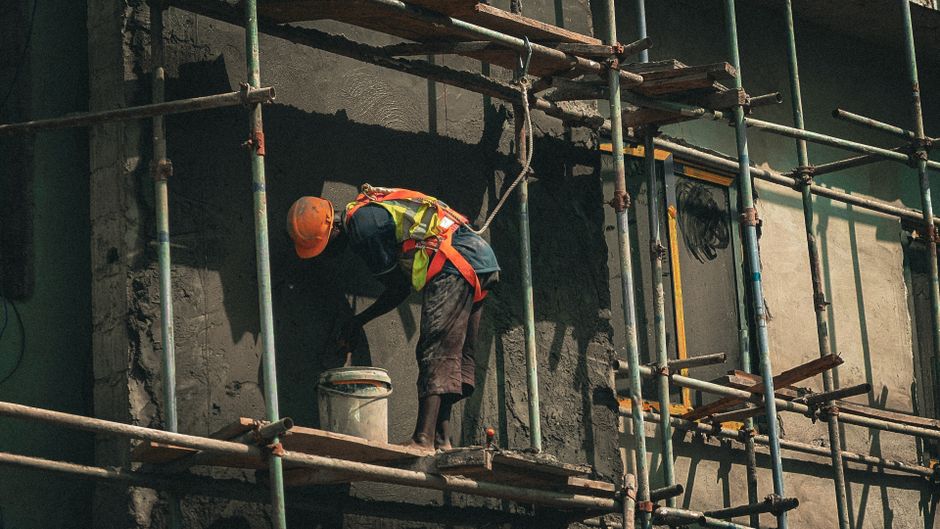
The construction industry is undergoing a significant transformation driven by technological advancements, changing consumer demands, and a growing emphasis on sustainability. As we move further into the 21st century, it is crucial to understand the trends shaping this vital sector. This article explores the current state of the construction industry, emerging technologies, and the implications of sustainability on future projects.
Current State of the Construction Industry
The construction industry is one of the largest sectors in the global economy, contributing approximately 13% to the world’s GDP. In recent years, the industry has faced several challenges, including labor shortages, rising material costs, and increased regulatory pressures. According to the Bureau of Labor Statistics, employment in the construction sector is projected to grow by 8% from 2021 to 2031, indicating a robust recovery and ongoing demand for construction services.
One significant trend is the increasing reliance on technology, which has the potential to enhance efficiency and reduce costs. The integration of Building Information Modeling (BIM), drones, and project management software is transforming how projects are planned and executed. These technologies enable better collaboration among stakeholders and facilitate real-time monitoring of project progress.
Emerging Technologies in Construction
Emerging technologies are at the forefront of the construction industry’s evolution. One notable innovation is the use of artificial intelligence (AI) and machine learning. These tools can analyze vast amounts of data to improve decision-making processes, predict project outcomes, and optimize resource allocation. For instance, AI can be utilized to analyze past project data and forecast potential delays, allowing project managers to take proactive measures.
Another groundbreaking technology is 3D printing, which is revolutionizing the construction of buildings and infrastructure. This method allows for rapid construction, reduced waste, and the ability to create complex designs that were previously unattainable. Notably, companies are exploring 3D-printed homes as a solution to affordable housing shortages, showcasing how technology can address pressing societal issues.
Additionally, the Internet of Things (IoT) is making its mark in the construction industry. By connecting various devices and systems, IoT enables real-time data collection and analysis, leading to smarter project management and improved safety measures on construction sites.
Sustainability in Construction
Sustainability has become a critical focus for the construction industry as stakeholders recognize the environmental impact of their activities. The shift towards sustainable construction practices involves using eco-friendly materials, reducing waste, and implementing energy-efficient designs. According to the World Green Building Council, green buildings can reduce greenhouse gas emissions by up to 30% compared to traditional buildings.
Governments and organizations are increasingly adopting green building certifications, such as LEED (Leadership in Energy and Environmental Design), to promote sustainable practices. These certifications not only benefit the environment but also enhance the value of properties, making them more attractive to potential buyers and investors.
The integration of renewable energy sources, such as solar panels and wind turbines, into construction projects is another aspect of sustainability. By designing buildings that harness renewable energy, the construction industry can contribute to reducing reliance on fossil fuels and combatting climate change.
Challenges Facing the Construction Industry
Despite the advancements and opportunities, the construction industry faces several challenges that need to be addressed. One of the most pressing issues is the skilled labor shortage. As older workers retire, there is a significant gap in skilled labor necessary for construction and trades. The National Association of Home Builders estimates that 70% of builders report a shortage of labor, affecting project timelines and costs.
Moreover, the volatility of material costs poses a challenge for construction companies. Fluctuations in prices due to supply chain disruptions, tariffs, and global market changes can lead to budget overruns and project delays. Companies must implement effective supply chain management strategies to mitigate these risks.
Lastly, regulatory pressures and compliance with safety standards require construction firms to stay vigilant and adaptable. Ensuring worker safety and adhering to local and national regulations is crucial to maintaining operational integrity and avoiding legal issues.
Conclusion
The construction industry is at a pivotal moment, marked by rapid technological advancements and an increasing focus on sustainability. As the sector evolves, stakeholders must embrace innovation while addressing the challenges that lie ahead. By leveraging emerging technologies and prioritizing sustainable practices, the construction industry can not only enhance efficiency and profitability but also play a significant role in building a more sustainable future.
For those looking to expand their networks in the construction sector, joining a local construction network charlotte nc can provide valuable resources and connections to navigate the changing landscape.
About the Author