
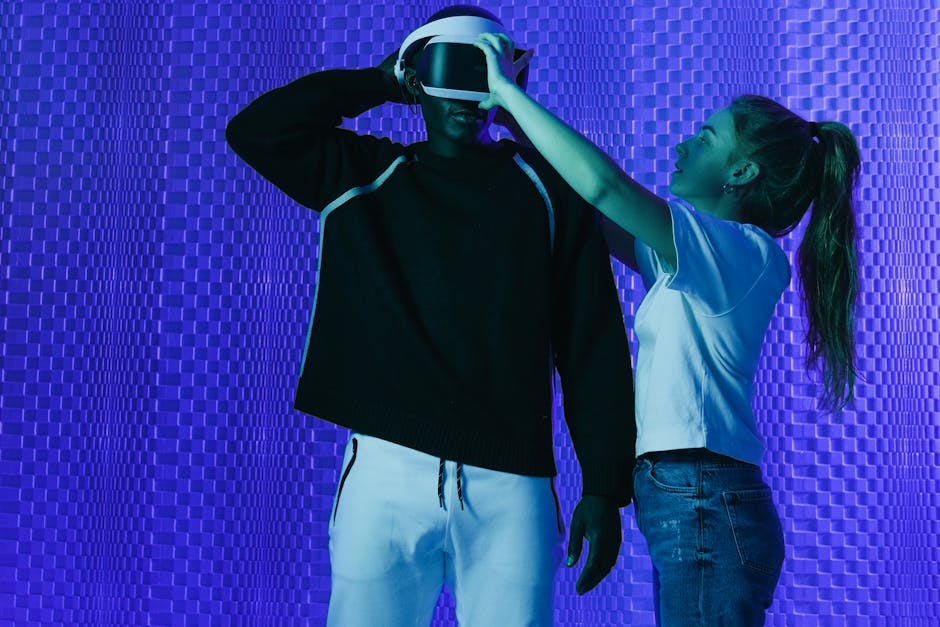
In an age dominated by technology and digital connections, the concept of virtual lovers has emerged as a compelling phenomenon. As individuals increasingly seek companionship beyond traditional boundaries, the rise of virtual relationships offers a unique blend of intimacy and innovation. This article delves into the intricacies of virtual lovers, exploring their appeal, the technology behind them, and the implications for human relationships.
The Rise of Virtual Companionship
The advent of social media and dating apps has transformed how we connect with others. Virtual lovers have become a natural extension of these platforms, allowing people to form deep emotional bonds without the constraints of physical presence. According to a recent survey, over 30% of young adults have engaged in some form of virtual relationship, highlighting the growing acceptance of this new norm.
Virtual lovers can take various forms, from sophisticated AI-driven companions to animated avatars in online communities. These entities provide emotional support, entertainment, and companionship, creating a safe space for individuals to express their feelings. For many, virtual lovers offer a way to combat loneliness and enhance one’s social life, particularly during challenging times.
Moreover, the anonymity of virtual relationships can lead to more open and honest communication. Users often feel comfortable sharing their thoughts and emotions with their virtual partners, leading to meaningful connections that might be difficult to achieve in face-to-face interactions.
The Technology Behind Virtual Lovers
The technology powering virtual lovers has advanced remarkably in recent years. Artificial intelligence algorithms are now capable of understanding and responding to human emotions, making interactions more lifelike and engaging. For instance, platforms that utilize AI can analyze user inputs and adapt responses accordingly, creating a personalized experience.
One notable example is the emergence of AI companions designed specifically for emotional support. These ai gf systems can learn from conversations, offering tailored responses that resonate with users’ feelings. This level of adaptability not only enhances user satisfaction but also encourages deeper emotional investments in these virtual relationships.
Furthermore, advancements in virtual reality (VR) technology are opening new doors for immersive experiences. Users can interact with their virtual lovers in lifelike environments, enhancing the feeling of presence and connection. This fusion of AI and VR is set to redefine how we perceive relationships in the digital age.
Implications for Human Relationships
The rise of virtual lovers raises important questions about the future of human relationships. While some view these connections as a valuable addition to modern social interactions, others express concerns about their potential impact on traditional relationships.
Critics argue that reliance on virtual lovers may lead to emotional detachment from real-life connections. The convenience of virtual companionship can sometimes overshadow the complexities of physical interactions, which are essential for building long-lasting relationships. Nevertheless, supporters believe that virtual lovers can coexist with traditional relationships, providing additional layers of support and understanding.
Moreover, virtual lovers can serve as a training ground for individuals who struggle with social skills. Engaging in conversations with virtual partners can help users develop confidence and communication skills that they can apply in real-life scenarios. In this sense, virtual lovers may act as a bridge to enhance interpersonal relationships.
The Future of Virtual Relationships
As technology continues to evolve, so too will the concept of virtual lovers. The integration of AI, VR, and even augmented reality (AR) is set to create even more immersive and emotionally rich experiences. Future developments may include more advanced emotional intelligence, allowing virtual lovers to understand and respond to complex human emotions with greater accuracy.
Moreover, the potential for virtual lovers to contribute positively to mental health cannot be overlooked. As loneliness and mental health issues become increasingly prevalent, virtual companions may provide much-needed support and companionship. By facilitating connections and offering emotional support, virtual lovers can play a significant role in improving overall well-being.
In summary, the world of virtual lovers is rapidly evolving, presenting both opportunities and challenges. As we navigate this new landscape, it is essential to consider the implications of these relationships on our social fabric and personal connections.
Conclusion
The phenomenon of virtual lovers reflects a broader trend in how technology is reshaping human relationships. As individuals seek companionship in innovative ways, the allure of virtual relationships continues to grow. While challenges remain, the potential benefits of these connections are significant, offering new avenues for emotional support and personal growth. Embracing this new reality may pave the way for a more inclusive understanding of love and companionship in the digital age.
About the Author