
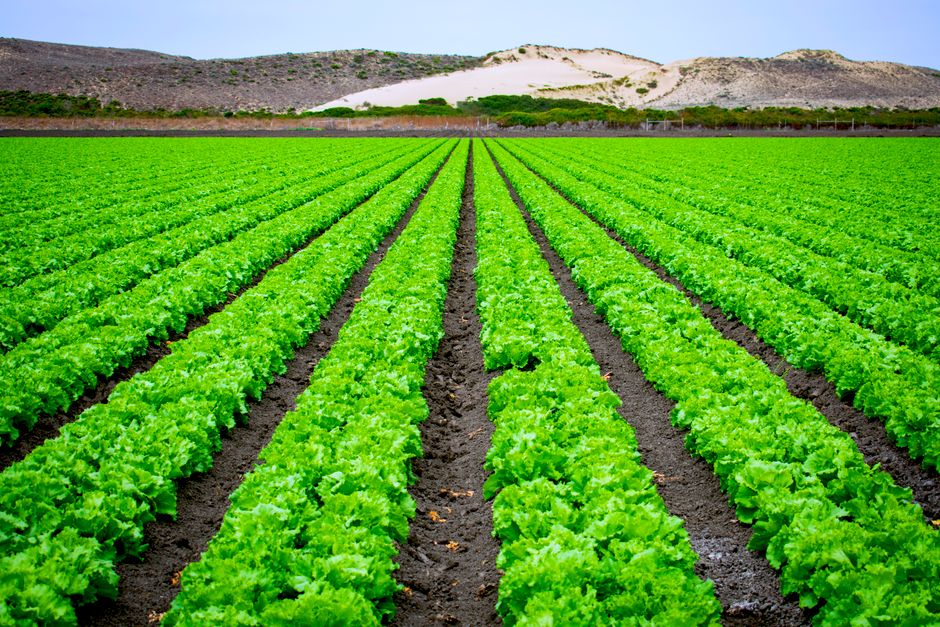
Organic farming has gained significant popularity over the past decade as consumers increasingly seek healthier and more environmentally friendly food options. This shift in consumer preferences has created a growing market for organic products, necessitating the need for high-quality organic farming supplies. In this article, we will explore the essential supplies needed for organic farming, the benefits of using these supplies, and how they contribute to a sustainable agricultural practice.
Understanding Organic Farming Supplies
Organic farming supplies encompass a wide range of products that are necessary for growing crops and raising livestock without the use of synthetic fertilizers, pesticides, or genetically modified organisms (GMOs). These supplies include organic seeds, natural fertilizers, pest control solutions, and tools that promote sustainable farming practices.
One of the key components of organic farming supplies is organic seeds. These seeds are sourced from plants that have been grown without synthetic chemicals or GMOs. Using organic seeds ensures that the crops produced are truly organic and helps maintain biodiversity in the farming ecosystem.
Natural fertilizers are another critical aspect of organic farming supplies. Unlike conventional fertilizers that can harm the environment, organic fertilizers such as compost, manure, and bone meal provide essential nutrients to the soil while improving its structure and microbial activity. This not only enhances crop yield but also promotes soil health.
The Role of Pest Control in Organic Farming
Pest management is a significant challenge in organic farming, as farmers cannot rely on synthetic pesticides. Instead, organic farming supplies include various natural pest control methods. These can range from beneficial insects, such as ladybugs and lacewings, to organic sprays made from plant extracts.
Integrated Pest Management (IPM) is a holistic approach that combines multiple strategies for controlling pests. By utilizing IPM, organic farmers can reduce pest populations while minimizing harm to beneficial organisms. This approach is vital for maintaining a balanced ecosystem on the farm.
Furthermore, the use of crop rotation and companion planting are effective organic pest control strategies. By rotating crops, farmers can disrupt pest life cycles and reduce their populations. Companion planting involves growing different plants together to enhance growth and deter pests, creating a natural pest-repelling environment.
Tools and Equipment for Organic Farming
The right tools and equipment are essential for efficient organic farming practices. From hand tools like hoes and rakes to larger machinery, organic farmers need a variety of supplies to cultivate their land effectively. Tools designed specifically for organic farming often include features that minimize soil disturbance and promote sustainability.
For instance, no-till farming equipment helps to maintain soil structure and health by reducing erosion and preserving moisture. Additionally, tools that support precision farming techniques allow organic farmers to apply water and nutrients more effectively, thereby optimizing resource use.
Investing in high-quality tools not only improves productivity but also enhances the overall farming experience. By using tools that align with organic principles, farmers can ensure that their practices are both efficient and environmentally friendly.
Finding Reliable Organic Farming Supplies
As the demand for organic products continues to rise, it is crucial for farmers to source their supplies from reliable vendors. Many online stores specialize in organic farming supplies, offering a wide range of products that cater to different farming needs. When selecting a supplier, it’s essential to consider factors such as product quality, customer service, and sustainability practices.
Farmers should also look for certifications that verify the organic status of the supplies they purchase. This ensures that the products they use comply with organic farming standards and contribute to the integrity of their farming practices. For instance, organizations that provide certification for organic farming supplies can help farmers make informed decisions about their purchases.
One excellent resource for organic farming supplies is organic farming supplies, where farmers can find a variety of high-quality products tailored to their needs.
The Future of Organic Farming Supplies
The organic farming sector is continually evolving, with new innovations and practices emerging to meet the challenges faced by farmers. As technology advances, organic farming supplies are becoming more efficient and effective, enabling farmers to produce high-quality organic products sustainably.
Research and development in organic farming are crucial for improving crop resilience, pest management, and soil health. Collaborations between researchers, farmers, and suppliers can drive innovation and lead to the development of new organic products that support sustainable agriculture.
Moreover, as consumer awareness of the benefits of organic farming grows, the demand for organic farming supplies is expected to rise. This trend presents an opportunity for farmers to invest in better supplies and practices, ultimately contributing to a healthier planet and food system.
Conclusion
In conclusion, organic farming supplies play a vital role in the success of organic agriculture. From organic seeds and natural fertilizers to effective pest control methods and quality tools, the right supplies enable farmers to practice sustainable farming that benefits both the environment and consumers. As the organic market continues to grow, it is essential for farmers to stay informed about the best practices and resources available to them. By investing in high-quality organic farming supplies, farmers can ensure a successful and sustainable future for their operations.
About the Author