
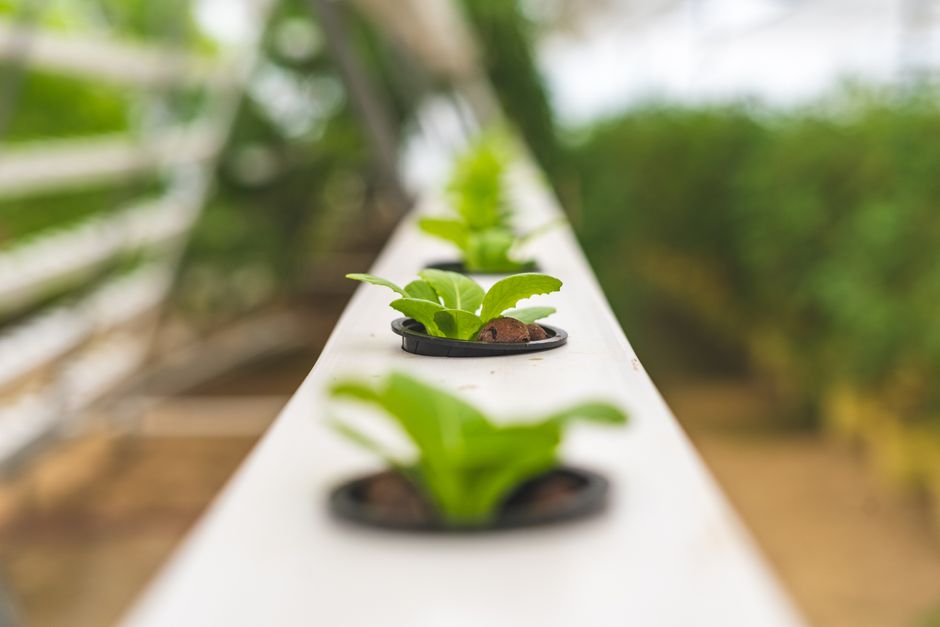
As the world becomes increasingly aware of the importance of sustainable living, innovative gardening techniques have gained significant attention. One such method is aquaponics, a sustainable system that combines aquaculture (raising fish) with hydroponics (growing plants in water). Aquaponics kits have emerged as a popular solution for home gardeners and enthusiasts looking to harness the benefits of this eco-friendly approach. In this article, we will delve into the details of aquaponics kits, their benefits, and how they can transform your gardening experience.
Understanding Aquaponics
Aquaponics is a symbiotic system where fish waste provides organic nutrients for plants, while the plants filter and clean the water for the fish. This closed-loop system creates a sustainable ecosystem that requires significantly less water than traditional farming methods. Research shows that aquaponics can use up to 90% less water than conventional agriculture, making it an ideal choice for those looking to conserve resources.
The fish and plants in an aquaponics system thrive off each other, creating a healthy environment. Common fish used in aquaponics include tilapia, catfish, and goldfish, which are known for their resilience and growth rates. Plants such as lettuces, herbs, and tomatoes flourish in this nutrient-rich water, leading to faster growth and higher yields.
Benefits of Using Aquaponics Kits
One of the primary advantages of aquaponics kits is their efficiency. These kits are designed to simplify the process of setting up an aquaponics system, making it accessible for beginners. Most kits come with all the necessary components, including fish tanks, grow beds, pumps, and filters. This ease of use allows individuals to start their aquaponics journey without needing extensive knowledge or experience.
Furthermore, aquaponics kits promote sustainable practices. By integrating fish farming with plant cultivation, they reduce the need for chemical fertilizers and pesticides. This means that the produce you grow is not only fresher but also free from harmful chemicals. According to a study published in the Journal of Cleaner Production, aquaponics systems can produce organic vegetables that have a lower environmental impact compared to traditional farming.
Choosing the Right Aquaponics Kit
When selecting an aquaponics kit, it is essential to consider several factors. The size of the kit should match your available space and intended use—whether for personal consumption, educational purposes, or as a commercial venture. Kits range from small countertop models suitable for herbs to larger setups designed for growing a variety of vegetables.
Another crucial aspect to evaluate is the type of fish and plants you wish to cultivate. Different kits may be better suited for specific species, so ensure that your kit supports your desired aquatic and plant life. Additionally, the quality of materials and equipment included in the kit can significantly affect the longevity and efficiency of your system.
Maintenance and Care for Your Aquaponics System
While aquaponics systems may seem low-maintenance, they do require regular care to ensure optimal performance. Monitoring water quality is vital, as fish health depends on clean, balanced water. Regular testing for pH levels, ammonia, nitrites, and nitrates should be part of your routine.
Feeding the fish is another critical aspect of maintaining your aquaponics system. A balanced diet tailored to the specific fish species is necessary to promote growth and health. Furthermore, pruning plants and harvesting produce regularly helps maintain a healthy balance in the ecosystem.
Conclusion
Aquaponics kits present an innovative solution for those seeking sustainable gardening practices. With their ability to conserve water, eliminate the need for harmful chemicals, and provide fresh produce, these kits are an excellent investment for eco-conscious individuals. Whether you’re a novice gardener or an experienced horticulturist, an aquaponics system can enhance your gardening experience while contributing to a more sustainable future. For those interested in starting their journey, exploring an aquaponics kit can be a great first step towards a greener lifestyle.
About the Author