
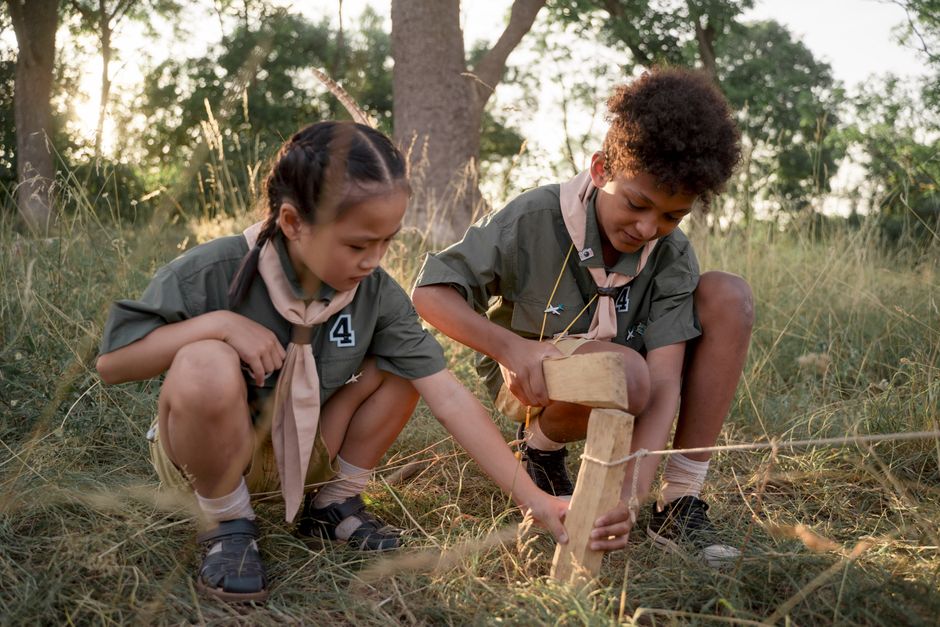
As the summer season approaches, parents often begin to search for engaging activities that can captivate their elementary school children. One popular option that stands out is the summer camp experience. These camps not only provide a break from the usual routine but also offer a rich environment for learning, socialization, and personal growth.
Benefits of Summer Camps
Summer camps come with a myriad of benefits that extend beyond mere entertainment. Firstly, they provide children with an opportunity to develop social skills. In a camp setting, kids interact with peers from diverse backgrounds, fostering friendships and enhancing their ability to communicate and collaborate. This social engagement is crucial for emotional development, especially at a young age.
Moreover, summer camps are designed to promote physical activity. Many programs include sports and outdoor activities that encourage children to be active, helping combat the rising concerns of childhood obesity. According to the Centers for Disease Control and Prevention (CDC), regular physical activity is essential for healthy growth and development in children.
Additionally, camps often offer a variety of educational programs that stimulate creativity and curiosity. Whether it’s through arts and crafts, science experiments, or nature exploration, children are encouraged to think critically and express themselves in new ways.
Types of Summer Camps
There are numerous types of summer camps available, each catering to different interests and age groups. Traditional camps often include a mix of activities such as swimming, hiking, and arts. On the other hand, specialized camps focus on specific skills, such as sports, music, or technology. For instance, a sports camp might offer training in soccer, basketball, or swimming, allowing children to hone their skills in a structured environment.
Another popular option is adventure camps, which often include outdoor activities like rock climbing, zip-lining, and canoeing. These camps aim to build resilience and self-confidence in children as they face new challenges. Research shows that engaging in challenging activities can lead to increased self-esteem and a sense of accomplishment.
For families looking for a more educational experience, academic camps are available. These camps focus on subjects such as science, math, and literacy, providing children with a fun way to reinforce what they’ve learned during the school year while preventing summer learning loss.
Choosing the Right Camp
When selecting a summer camp for your child, several factors should be considered. Start by identifying your child’s interests and strengths. Does your child thrive in a structured environment, or do they prefer more freedom to explore? Understanding their personality will help narrow down the choices.
Next, consider the camp’s location and duration. Some camps operate for a few days, while others may last several weeks. Be sure to choose a camp that fits your family’s schedule and is within a reasonable distance from home.
It’s also essential to review the camp’s safety protocols and staff qualifications. A reputable camp should prioritize the well-being of its campers and have trained staff to ensure a safe environment. Don’t hesitate to reach out to camp directors with any questions or concerns about their program.
Making the Most of the Camp Experience
For children, attending a summer camp can be a transformative experience. To maximize this opportunity, parents can help by discussing what to expect before the camp starts. Encourage your child to be open to new experiences and to make the most of their time away from home.
Additionally, staying connected during the camp can ease any homesickness. Many camps offer communication methods such as letters, emails, or scheduled phone calls to keep families in touch. This connection can be comforting for both parents and children.
Finally, upon returning home, take the time to discuss your child’s experiences. Ask them about new friends they made, activities they enjoyed, and lessons learned. This conversation not only reinforces their memories but also shows your support and interest in their camp journey.
Conclusion
Summer camps offer elementary school students a unique opportunity to grow, learn, and explore in an engaging environment. From building social skills to discovering new interests, the benefits of attending a summer camp are plentiful. With careful planning and consideration, parents can find the perfect camp that aligns with their child’s needs and interests. For those looking for options, consider exploring サマーキャンプ 小学生 programs that provide enriching experiences for young campers.
About the Author