
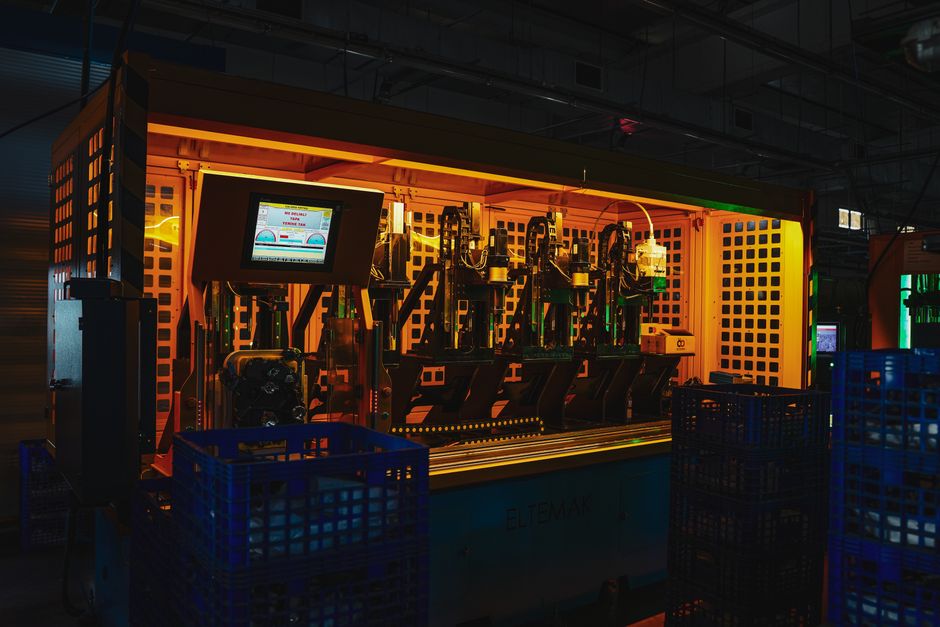
In today’s rapidly evolving industrial landscape, the role of automation has become increasingly significant. As companies strive to enhance productivity, reduce costs, and maintain competitive advantages, industrial automation suppliers have emerged as pivotal partners in this journey. This article delves into the essential functions of these suppliers, their offerings, and how they are reshaping the manufacturing sector.
Understanding Industrial Automation
Industrial automation refers to the use of control systems such as computers or robots for handling different processes and machinery in an industry to replace human intervention. Automation encompasses a wide range of technologies, including control systems, machinery, and software, aimed at improving production efficiency and quality. Today, it plays a critical role in various sectors, from automotive to electronics, enabling companies to meet the increasing demands of the market.
With the global market for industrial automation projected to reach $300 billion by 2026, it’s evident that businesses are investing heavily in these technologies. Automation allows for the streamlining of processes, which can result in significant cost savings and improved product quality. As a result, an increasing number of companies are seeking reliable industrial automation suppliers to help them navigate this complex landscape.
The Role of Industrial Automation Suppliers
Industrial automation suppliers serve as crucial partners for manufacturers looking to implement automation solutions. These suppliers provide a range of products and services, including the design, installation, and maintenance of automation systems. They also offer training and support to ensure that employees can effectively use the new technologies.
One of the primary roles of automation suppliers is to assess the specific needs of a manufacturing operation. This involves analyzing existing processes and identifying areas where automation can enhance efficiency and productivity. Suppliers then recommend tailored solutions that align with the manufacturer’s goals and budget.
Key Technologies Provided by Automation Suppliers
Automation suppliers offer a variety of technologies designed to enhance operational efficiency. These include programmable logic controllers (PLCs), industrial robots, sensors, and software solutions for monitoring and controlling production processes.
For instance, PLCs are essential for automating machinery and processes, allowing for real-time monitoring and control. Industrial robots, on the other hand, can handle repetitive tasks with precision and speed, significantly reducing the risk of human error. Additionally, advanced sensors can collect data from various manufacturing processes, providing insights that can lead to further optimization.
Benefits of Partnering with Industrial Automation Suppliers
Partnering with an industrial automation supplier brings numerous benefits to manufacturers. Firstly, it allows companies to leverage the expertise of seasoned professionals who understand the nuances of automation technology. This knowledge can lead to more effective implementation and utilization of automation systems.
Moreover, automation suppliers can help companies stay ahead of industry trends by providing access to the latest technologies and innovations. As the demand for smarter manufacturing solutions grows, suppliers are continuously updating their offerings to incorporate cutting-edge advancements, such as artificial intelligence and machine learning.
Challenges in the Automation Supply Chain
Despite the advantages, there are challenges associated with the automation supply chain. Supply chain disruptions, such as those caused by global events like the COVID-19 pandemic, can impact the availability of critical components. Additionally, the rapid pace of technological change can make it difficult for manufacturers to keep up with the latest advancements.
To mitigate these challenges, manufacturers need to establish strong relationships with their suppliers. Effective communication and collaboration can help ensure that potential issues are addressed proactively, allowing for more resilient supply chains.
Conclusion
Industrial automation suppliers play a vital role in transforming the manufacturing landscape. By providing essential technologies and expertise, they enable companies to enhance efficiency, reduce costs, and improve product quality. As the industry continues to evolve, the partnership between manufacturers and automation suppliers will be crucial for navigating the complexities of modern production. Embracing automation is no longer an option; it is a necessity for companies looking to thrive in today’s competitive environment.
About the Author