The rise of technology has transformed various industries, and one of the most fascinating advancements is in the realm of photography. Virtual tour photography has emerged as a novel way to explore spaces virtually, offering viewers an immersive experience that traditional photography simply cannot provide. This article delves into the essence of virtual tour photography, its applications, and how it is shaping the future of visual storytelling.
What is Virtual Tour Photography?
Virtual tour photography involves capturing a series of images that allow users to navigate through a space as if they were physically there. Using specialized equipment such as 360-degree cameras, photographers can create stunning panoramas that can be viewed on computers or mobile devices. This technology is particularly beneficial for real estate, tourism, and education, providing a unique way to showcase properties, destinations, and learning environments.
Unlike traditional photographs, which offer a static view, virtual tours offer an interactive experience. Users can click and drag to explore different angles, zoom in on specific features, and even access information hotspots embedded in the tour. This level of engagement can significantly enhance the viewer’s understanding and appreciation of the environment.
Applications in Real Estate
One of the most significant applications of virtual tour photography is in the real estate sector. Real estate agents and property developers are increasingly utilizing virtual tours to market homes, allowing potential buyers to explore properties from the comfort of their own homes. According to a study by the National Association of Realtors, listings with virtual tours receive 87% more views than those without.
This method not only saves time for both buyers and agents but also creates a more personalized experience. Buyers can view multiple properties in a day without the need for physical visits, making it easier to narrow down their choices. Moreover, virtual tours can help properties stand out in a competitive market, enhancing their appeal and potentially leading to quicker sales.
The Impact on Tourism
Virtual tour photography is revolutionizing the tourism industry as well. Destinations are using this technology to attract visitors by offering virtual previews of their attractions. For instance, museums, historical sites, and national parks can provide immersive experiences that allow potential tourists to explore their offerings before making travel decisions.
In a time when travel restrictions can hinder physical visits, virtual tours serve as an effective marketing tool. They can give prospective visitors a taste of what to expect, fueling their desire to visit in person. This trend is not only beneficial for tourism boards but also for local businesses that rely on tourist traffic.
Educational Uses of Virtual Tours
Education is another field that has embraced virtual tour photography. Schools and universities are increasingly using virtual tours to enhance their recruitment efforts and to provide current students with a way to familiarize themselves with their campuses. This technology is also being used in remote learning environments, allowing students to explore historical sites, laboratories, and other educational spaces virtually.
For example, a university might create a virtual tour of its science labs, enabling prospective students to see the facilities and equipment available to them. This not only enriches the educational experience but also helps institutions showcase their resources effectively.
Future Trends in Virtual Tour Photography
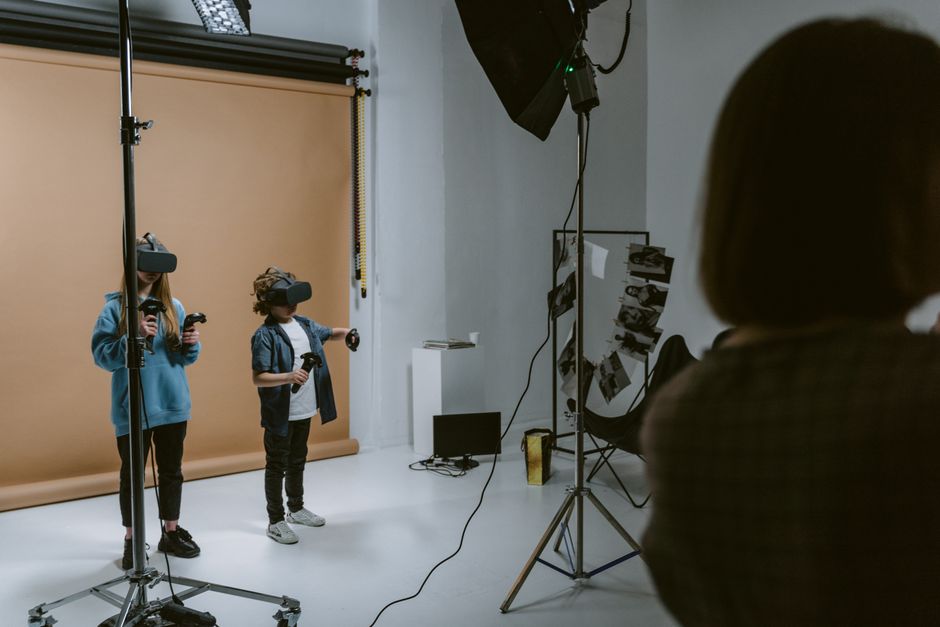
As technology continues to evolve, so too will the capabilities of virtual tour photography. The integration of augmented reality (AR) and virtual reality (VR) is on the horizon, promising to take the immersive experience to new heights. Imagine being able to step into a virtual environment and interact with elements as if they were real.
Moreover, advancements in AI and machine learning may allow for more personalized virtual tours, tailoring the experience based on user preferences and behaviors. These innovations could lead to more engaging and insightful experiences for users, transforming how we explore and learn about the world around us.
For those interested in exploring the possibilities of virtual tour photography, numerous resources and tools are available to get started. Whether you are a real estate agent, a tourism professional, or an educator, harnessing the power of virtual tours can significantly enhance your outreach and engagement.
Conclusion
Virtual tour photography is not just a passing trend; it is a transformative approach that is reshaping how we interact with spaces. From real estate to tourism and education, its applications are vast and impactful. As technology continues to advance, the potential for virtual tours will only expand, offering richer, more immersive experiences that will change the way we view and connect with our environment. Embracing this technology today can provide a competitive edge in various industries, making it an essential tool for the future.
About the Author