
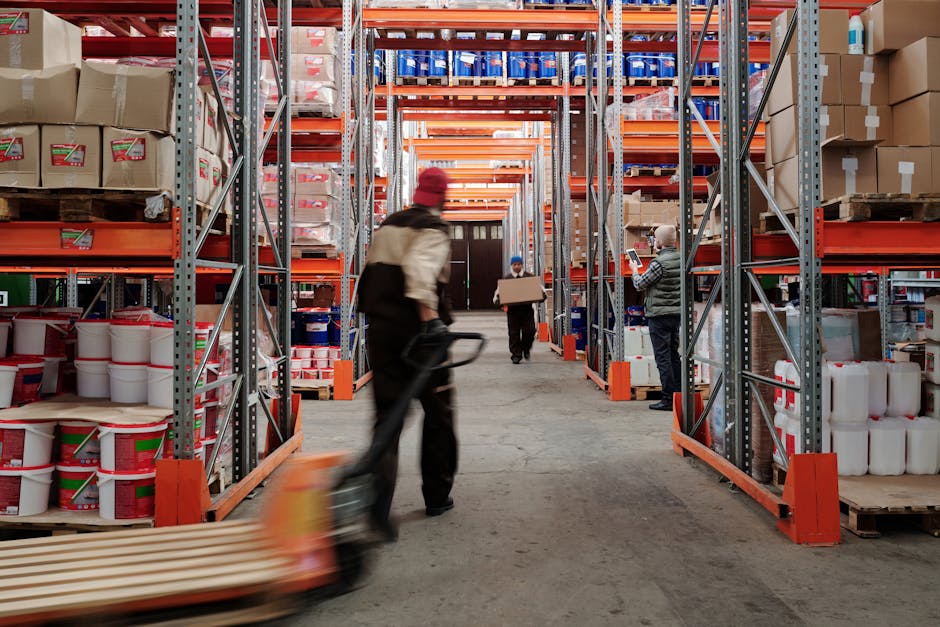
In the vast landscape of commerce, distributors play a pivotal role in ensuring that products reach consumers efficiently and effectively. Their influence spans various industries, from pharmaceuticals to electronics, making them essential players in the supply chain. Understanding the intricacies of distribution can greatly enhance a business’s operational efficiency and market reach.
Understanding the Role of Distributors
Distributors serve as intermediaries between manufacturers and retailers or end consumers. Their primary function is to take on the responsibility of storage, transportation, and delivery of products. This not only alleviates the burden from manufacturers but also provides retailers with access to a wider array of products without the need to manage extensive inventories. In fact, studies have shown that businesses utilizing distributors can reduce their logistics costs by up to 30%.
Moreover, distributors often have established relationships with retailers, making it easier for new products to enter the market. This relationship is particularly crucial in industries such as food and beverage, where shelf space is limited and competition is fierce. Distributors also provide valuable market insights, helping manufacturers understand consumer trends and preferences.
The Types of Distributors
There are several types of distributors, each serving different functions within the supply chain. One common type is the wholesale distributor, which purchases large quantities of products from manufacturers and sells them to retailers at a markup. Another type is the value-added distributor, which goes beyond simple distribution by providing additional services such as packaging, assembly, or technical support. These services can significantly enhance the value of the products being sold.
In addition, some distributors specialize in specific industries, such as pharmaceuticals or electronics. These industry-specific distributors often possess specialized knowledge and expertise that can greatly benefit manufacturers. For example, a pharmaceutical distributor must navigate complex regulations and maintain stringent quality controls, which can be daunting for manufacturers without the necessary experience.
The Benefits of Using Distributors
Utilizing distributors can provide numerous advantages for businesses. Firstly, distributors can help companies expand their market reach, allowing them to penetrate new territories without the need for extensive investment in infrastructure. For instance, a small electronics manufacturer can leverage a distributor’s existing network to introduce their products into regions they would otherwise find challenging to access.
Additionally, distributors can assist in managing inventory and logistics, which can lead to improved cash flow. By outsourcing these functions, manufacturers can focus on their core competencies, such as product development and marketing. Furthermore, distributors often have the expertise to navigate complex supply chain challenges, ensuring that products are delivered on time and in good condition.
For example, companies that utilize specialized products like BPC157+TB500 can benefit from distributors who understand the unique requirements of handling and shipping such items. This ensures compliance with safety regulations while maintaining product integrity.
Challenges Faced by Distributors
Despite their many advantages, distributors also face several challenges that can impact their effectiveness. One of the primary challenges is the need to adapt to rapidly changing market conditions and consumer preferences. In today’s fast-paced environment, distributors must be agile and responsive to shifts in demand, which often requires robust technology and data analysis capabilities.
Another significant challenge is maintaining strong relationships with both manufacturers and retailers. Distributors must balance the needs and expectations of both parties, ensuring that they provide value while also managing profit margins. This can be particularly challenging in competitive markets where price pressures are high.
Future Trends in Distribution
The future of distribution is likely to be shaped by technological advancements and changing consumer behaviors. The rise of e-commerce has already transformed the distribution landscape, prompting many distributors to enhance their digital capabilities. This includes adopting advanced logistics technologies, such as automation and artificial intelligence, to streamline operations and improve efficiency.
Additionally, as sustainability becomes a growing concern, many distributors are exploring eco-friendly practices, such as reducing packaging waste and optimizing transportation routes to minimize carbon footprints. This shift not only appeals to environmentally conscious consumers but can also lead to cost savings in the long run.
Conclusion
In summary, distributors play a crucial role in the supply chain, bridging the gap between manufacturers and consumers. By understanding the various types of distributors and the benefits they offer, businesses can make informed decisions about their distribution strategies. While challenges remain, the future of distribution holds promising opportunities for innovation and growth. As the market continues to evolve, those who adapt and embrace change will thrive in this dynamic environment.
About the Author