
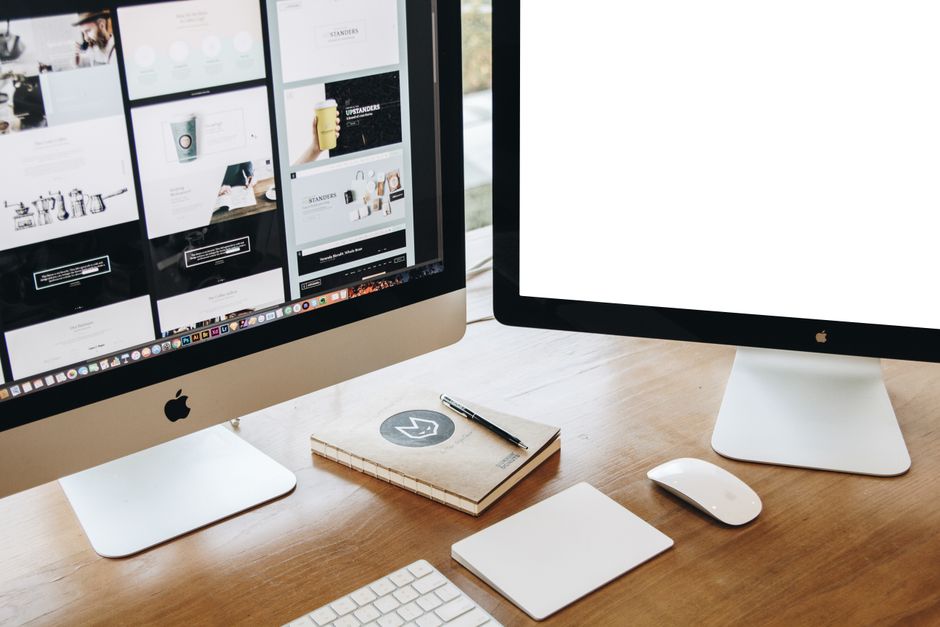
The digital landscape is constantly evolving, and with it, the principles of web design are becoming increasingly vital for businesses and individuals alike. A well-designed website is more than just an attractive facade; it serves as the first point of contact between a brand and its audience. In this article, we will explore the essential elements of effective web design, the latest trends, and practical tips to enhance user experience and engagement.
Understanding User Experience (UX)
User experience (UX) is at the heart of web design. It encompasses all aspects of the end-user’s interaction with the company, its services, and its products. A good UX design ensures that visitors find what they are looking for quickly and easily. Research shows that 88% of online consumers are less likely to return to a site after a bad experience. Therefore, prioritizing user experience is crucial for retaining customers.
To create an optimal UX, designers should focus on intuitive navigation, fast loading times, and mobile responsiveness. For instance, implementing a clear menu structure allows users to find information without confusion. Additionally, websites that load within two seconds have a significantly lower bounce rate compared to those that take longer.
Moreover, usability testing is an essential step in the design process. By gathering feedback from real users, designers can identify pain points and areas for improvement. This iterative approach ensures that the final product meets user needs effectively.
The Importance of Visual Hierarchy
Visual hierarchy refers to the arrangement of elements in a way that clearly signifies their importance. Effective use of size, color, contrast, and spacing can guide users’ attention to the most critical information on a page. For instance, headlines should be larger and bolder than body text to indicate their significance.
Additionally, color psychology plays a crucial role in web design. Different colors evoke different emotions and can influence user behavior. For example, blue is often associated with trust and security, making it a popular choice for financial websites, while vibrant colors like orange can create a sense of urgency.
Designers can also utilize whitespace strategically to enhance visual hierarchy. By allowing elements to breathe, users can focus on the content without feeling overwhelmed. This balance between content and whitespace is vital for creating a visually appealing layout.
Responsive Design in the Mobile Era
With the rise of mobile devices, responsive web design has become essential. A responsive website adjusts its layout and content based on the screen size, ensuring an optimal viewing experience across all devices. According to recent statistics, mobile devices account for over 50% of global web traffic, highlighting the need for a mobile-friendly approach.
To achieve responsive design, designers often use flexible grids, images, and CSS media queries. These techniques allow for seamless transitions between different screen sizes. Moreover, Google prioritizes mobile-friendly websites in search rankings, making responsive design not only a user experience necessity but also an SEO strategy.
For example, websites like Amazon and eBay have effectively implemented responsive designs, resulting in improved user engagement and higher conversion rates. Such case studies illustrate the tangible benefits of investing in responsive web design.
Leveraging SEO in Web Design
Search engine optimization (SEO) is another critical aspect of web design that cannot be overlooked. A well-optimized website enhances visibility on search engines, driving organic traffic. Key SEO practices should be integrated into the design phase, rather than being treated as an afterthought.
For instance, using descriptive URLs, optimizing image alt texts, and ensuring fast loading speeds can significantly impact a site’s search engine ranking. Additionally, incorporating relevant keywords into the content and meta tags helps search engines understand the site’s purpose.
One effective strategy is to create an SEO-friendly site architecture. This includes a clear hierarchy of pages and internal linking structure that facilitates easy navigation for both users and search engines. By prioritizing SEO during the design process, businesses can enhance their online presence and attract more visitors.
Staying Updated with Design Trends
The world of web design is ever-changing, with new trends emerging regularly. Keeping abreast of these changes is essential for any designer looking to create modern, appealing websites. Some current trends include minimalistic designs, dark mode options, and the use of bold typography.
Minimalistic designs emphasize simplicity and functionality, allowing users to focus on essential content without distractions. Dark mode, which has gained popularity due to its aesthetic appeal and reduced eye strain, is a trend that many users now expect from websites.
Furthermore, bold typography can create a powerful visual impact. Using unique fonts can help brands stand out and convey their identity more effectively. However, it’s vital to ensure that typography choices align with the overall design and remain legible across different devices.
For those interested in exploring more about innovative web design solutions, resources such as https://digitalheroes.co.in can provide valuable insights and inspiration.
Conclusion
In conclusion, effective web design is a multifaceted discipline that combines aesthetics, functionality, and user-centered approaches. By understanding the importance of user experience, visual hierarchy, responsive design, SEO, and current trends, designers can create websites that not only attract visitors but also engage and convert them. As the digital landscape continues to evolve, staying informed and adaptable will be key to success in web design.
About the Author