
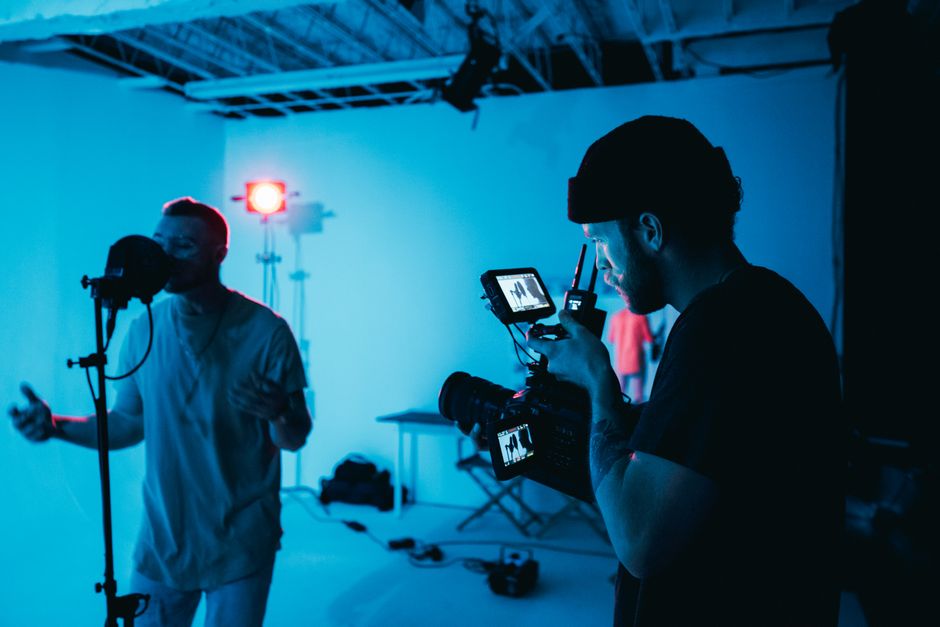
In the digital age, music videos have evolved into a vital tool for artists to connect with their audience. They serve not just as a visual accompaniment to a song, but as a storytelling medium that can enhance the overall impact of the music. This article explores the intricacies of music video production, from the initial concept to the final edit, highlighting the techniques that make a music video compelling and memorable.
Understanding the Concept
A successful music video begins with a strong concept. This is the foundation upon which the entire production is built. The concept should align with the artist’s vision and the song’s message. For instance, consider the music video for “This Is America” by Childish Gambino, which tackles complex themes of gun violence and race in America. The visuals are not just there to entertain; they provoke thought and conversation.
To develop a concept, the production team often collaborates with the artist and the songwriter. Brainstorming sessions can help generate ideas that resonate with the target audience. The use of mood boards and storyboards can also assist in visualizing the concept before moving forward. It’s crucial to ensure that the concept is original and engaging to stand out in a crowded market.
Pre-Production Planning
Once the concept is established, pre-production begins. This phase includes scripting, casting, location scouting, and scheduling. Each of these elements is crucial for a smooth production process. For example, casting the right actors for a narrative-driven music video can greatly influence how the story is perceived. The casting process should reflect the diversity and relatability that the audience expects.
Location scouting is another vital aspect of pre-production. The chosen locations need to complement the song’s mood and theme. Filming a high-energy pop song in a serene forest might not deliver the desired effect. Additionally, it’s essential to secure permits and ensure that all logistics are accounted for, as this can prevent delays during the shooting phase.
The Production Phase
During the production phase, the magic happens. This is when the actual filming takes place. A skilled director will guide the actors and crew to bring the concept to life. Lighting, camera angles, and shot composition are all critical elements that contribute to the final product. For example, dynamic camera movements can create a sense of energy, while static shots might convey a more serious tone.
Furthermore, the team should be prepared for unexpected challenges. Weather changes, technical issues, or last-minute changes in the script can all impact the filming schedule. Flexibility and problem-solving skills are key in this phase. Some of the most iconic music videos have emerged from spontaneous decisions made during filming.
Post-Production and Editing
After filming wraps, the post-production phase begins. This is where the footage is edited to create the final music video. Editing is a crucial step that can drastically change the viewer’s perception of the video. The pacing, color grading, and inclusion of special effects all play significant roles. For example, the rapid cuts in a high-energy video can create excitement and maintain engagement.
Additionally, sound design is a vital component of post-production. Syncing the audio with the visuals is essential, as it ensures that the music and imagery work harmoniously. The final video should evoke emotions that align with the song, enhancing the viewer’s overall experience. This is where the production team can truly showcase their creativity and technical skills.
Marketing the Music Video
Once the music video is complete, the next step is marketing. In today’s digital landscape, leveraging social media and streaming platforms is essential. Sharing teasers and behind-the-scenes footage can generate buzz before the official release. Collaborating with influencers or popular YouTubers can also help reach a wider audience.
Moreover, analyzing viewer engagement and feedback can provide valuable insights for future projects. Metrics such as views, shares, and comments can inform the production team about what resonates with the audience. This feedback loop is crucial for evolving and improving the quality of future music video productions.
Conclusion
Music video production is a complex and multifaceted process that requires careful planning and execution. From conceptualization to marketing, each step plays a significant role in creating a compelling visual narrative. Artists and production teams must work collaboratively to bring their vision to life, ensuring that the final product not only entertains but also resonates with viewers on a deeper level. By understanding the nuances of music video production, creators can enhance their storytelling capabilities and elevate their artistic expression. For those looking to dive deeper into the intricacies of music video production, the rewards are plentiful, both creatively and commercially.
About the Author