
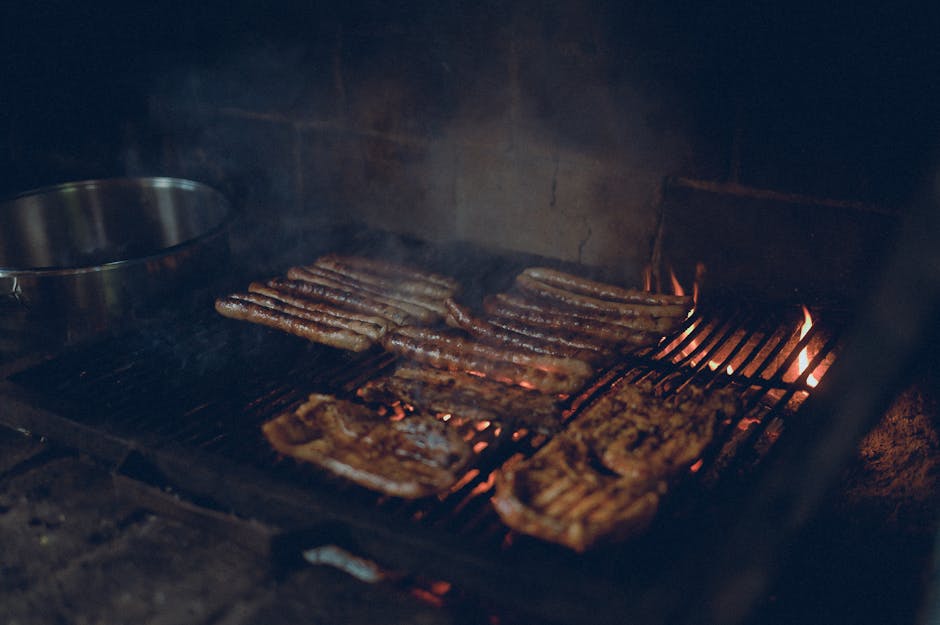
Barbecue is more than just a method of cooking; it is a cherished tradition that brings people together. The smoky aroma of grilled meats and the sound of sizzling on the grill evoke a sense of community and celebration. In recent years, barbecue has evolved into a culinary art form, with enthusiasts experimenting with various techniques and flavors. This article delves into the multifaceted world of barbecue, exploring its history, techniques, and modern trends.
The Rich History of Barbecue
Barbecue has deep roots in various cultures around the world. The term itself is believed to have originated from the Taino word ‘barbacoa,’ which referred to a wooden frame used for cooking meat over an open flame. In the United States, barbecue is often associated with Southern cuisine, with each region boasting its unique style and flavor profile. For instance, Texas is famous for its brisket, while North Carolina is known for its vinegar-based sauces.
Throughout history, barbecue has been a communal activity, often serving as the centerpiece of gatherings and celebrations. From family reunions to neighborhood cookouts, the act of grilling brings people together, fostering connections and shared experiences. This tradition continues today, as many seek to replicate the communal aspect of barbecue in their own backyards.
In addition to its cultural significance, barbecue has also seen a rise in competitive cooking. Barbecue competitions, such as the World Barbecue Championship, highlight the skills of pitmasters and their unique recipes. These events not only celebrate culinary expertise but also showcase the diversity of barbecue styles across different regions.
Essential Barbecue Techniques
Mastering the art of barbecue involves understanding various cooking techniques. The two primary methods are direct and indirect grilling. Direct grilling involves cooking food directly over the heat source, ideal for quick-cooking items like burgers and steaks. On the other hand, indirect grilling is suited for larger cuts of meat, allowing them to cook slowly and evenly.
Smoking is another popular technique that infuses meats with rich flavors. Different types of wood, such as hickory, mesquite, and applewood, impart distinct tastes. The choice of wood can significantly affect the final flavor profile of the meat, making it essential to experiment with different combinations. Additionally, marinating meats before cooking can enhance tenderness and flavor, providing an extra layer of complexity to the dish.
Temperature control is crucial in barbecue. Using a reliable meat thermometer ensures that meats are cooked to the right internal temperature, resulting in juicy and flavorful dishes. For example, beef brisket should be cooked to an internal temperature of around 195°F to achieve that perfect tender texture.
Modern Trends in Barbecue
As barbecue continues to evolve, new trends are emerging that reflect changing tastes and preferences. One notable trend is the rise of plant-based barbecue options. With more people adopting vegetarian and vegan diets, chefs are creatively using vegetables, tofu, and plant-based proteins to create delicious barbecue dishes. Grilled portobello mushrooms and cauliflower steaks are just a few examples of how traditional barbecue can be reimagined.
Another trend is the use of global flavors in barbecue. Chefs are incorporating spices and marinades from various cuisines, such as Korean gochujang or Jamaican jerk seasoning, to add a unique twist to classic barbecue recipes. This fusion of flavors not only appeals to adventurous eaters but also encourages a broader appreciation for global culinary traditions.
Barbecue technology is also advancing, with the introduction of smart grills and smokers that allow for precise temperature control and remote monitoring. These innovations make it easier for both novice and experienced cooks to achieve perfect results every time. The integration of technology into traditional cooking methods is revolutionizing the barbecue experience.
Barbecue Safety and Best Practices
While enjoying barbecue, it’s essential to prioritize safety. Proper food handling and cooking techniques can prevent foodborne illnesses. Always wash hands, utensils, and surfaces after handling raw meat. Additionally, marinating meat in the refrigerator rather than on the counter is crucial to avoid bacterial growth.
Cooking meat to the appropriate internal temperature is another critical safety measure. Using a meat thermometer is highly recommended to ensure that meats reach the safe minimum temperatures specified by health guidelines. For example, chicken should be cooked to an internal temperature of 165°F.
Lastly, consider the environmental impact of barbecue. Using sustainable and ethically sourced meats, as well as eco-friendly charcoal and wood, can contribute to a more responsible barbecue experience. Many companies now offer products that focus on sustainability, allowing consumers to enjoy barbecue without compromising their values.
Conclusion
Barbecue is a culinary tradition that transcends cultural boundaries and brings people together. Whether you’re a seasoned pitmaster or a novice griller, understanding the techniques, trends, and safety measures can enhance your barbecue experience. As you fire up the grill, remember to savor the flavors, appreciate the history, and enjoy the company of loved ones. In the world of barbecue, every meal is an opportunity to create lasting memories.
For those seeking additional resources or guidance on barbecue techniques, don’t hesitate to reach out to experts in the field. Connecting with fellow barbecue enthusiasts can provide inspiration and support on your culinary journey. For inquiries, you may contact Zeus.
About the Author