
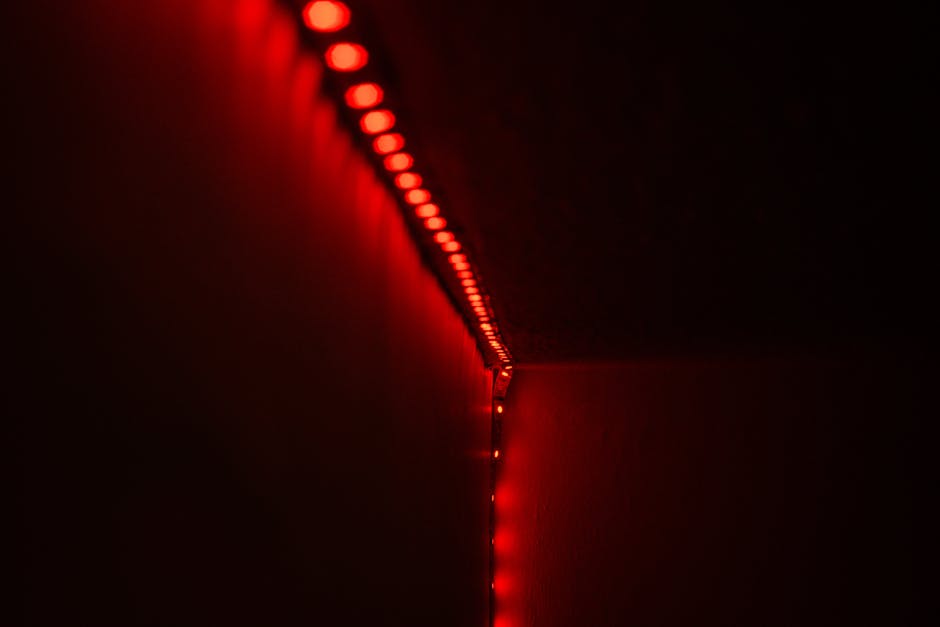
In recent years, LED (Light Emitting Diode) technology has revolutionized the way we illuminate our environments. This innovative lighting solution is not only energy-efficient but also offers a longer lifespan compared to traditional lighting options. With the growing emphasis on sustainability and energy conservation, the adoption of LEDs has surged across various sectors, from residential to commercial applications.
Understanding LED Technology
LEDs work by passing an electric current through a semiconductor material, which emits light. This process is known as electroluminescence. Unlike incandescent bulbs that produce light by heating a filament, LEDs generate light more efficiently, resulting in lower energy consumption. A significant benefit of LED technology is its ability to produce light in various colors without the need for filters, making it an attractive option for diverse applications.
Furthermore, LED lights are highly durable and resistant to shock, vibrations, and external impacts. This robustness makes them ideal for use in challenging environments, such as industrial settings and outdoor installations. The versatility of LED technology allows for creative lighting solutions, enhancing aesthetic appeal in both residential and commercial spaces.
The Energy Efficiency of LEDs
Energy efficiency is one of the most compelling reasons for the widespread adoption of LED lighting. According to the U.S. Department of Energy, LED lighting can consume up to 75% less energy than traditional incandescent bulbs. This reduction in energy use translates into lower electricity bills for consumers and businesses alike.
Moreover, the longevity of LED lights plays a crucial role in their overall efficiency. On average, an LED can last between 15,000 to 50,000 hours, significantly outlasting traditional light sources. This longevity reduces the frequency of replacements, further decreasing waste and energy consumption associated with manufacturing and disposal.
Applications of LED Lighting
The applications of LED technology are vast and varied. In residential settings, LEDs are commonly used for general lighting, task lighting, and decorative purposes. The ability to dim LED lights and change their color temperature allows homeowners to create personalized lighting experiences tailored to their needs.
In commercial spaces, LEDs are equally transformative. Retailers utilize LED lighting to enhance product displays, create ambiance, and attract customers. Additionally, outdoor LED lighting is essential for street lighting, parking lots, and landscape illumination, providing better visibility and safety.
One of the most exciting developments in LED technology is the rise of smart lighting. Smart LEDs can be controlled remotely via smartphones or automated systems, allowing users to adjust brightness, color, and schedules. This integration of technology not only offers convenience but also contributes to energy savings by allowing for more precise control over lighting usage.
Challenges and Future of LED Technology
Despite the many advantages of LED lighting, challenges remain. The initial cost of LED fixtures can be higher compared to traditional lighting options, which may deter some consumers. However, the long-term savings on energy bills and maintenance costs often outweigh this initial investment.
Another challenge is the environmental impact of LED disposal. While LEDs do not contain mercury like some fluorescent lights, they do contain materials that require proper recycling. As awareness grows, many manufacturers are developing sustainable disposal programs to mitigate this issue.
The future of LED technology looks promising, with ongoing advancements in efficiency, color rendering, and smart integration. Innovations such as organic LEDs (OLEDs) and quantum dot technology are on the horizon, potentially expanding the possibilities of LED applications even further.
Conclusion
LED technology has undeniably changed the landscape of lighting, offering a sustainable, energy-efficient, and versatile solution for various applications. As we continue to prioritize energy conservation and environmental responsibility, the adoption of LEDs is expected to grow, paving the way for a brighter and more sustainable future. Whether it’s enhancing the ambiance of a home or improving safety in public spaces, LEDs are set to play a crucial role in our everyday lives. For those looking to explore creative lighting solutions, options like benzi LED RGB can provide exciting possibilities for both functionality and aesthetics.
About the Author