
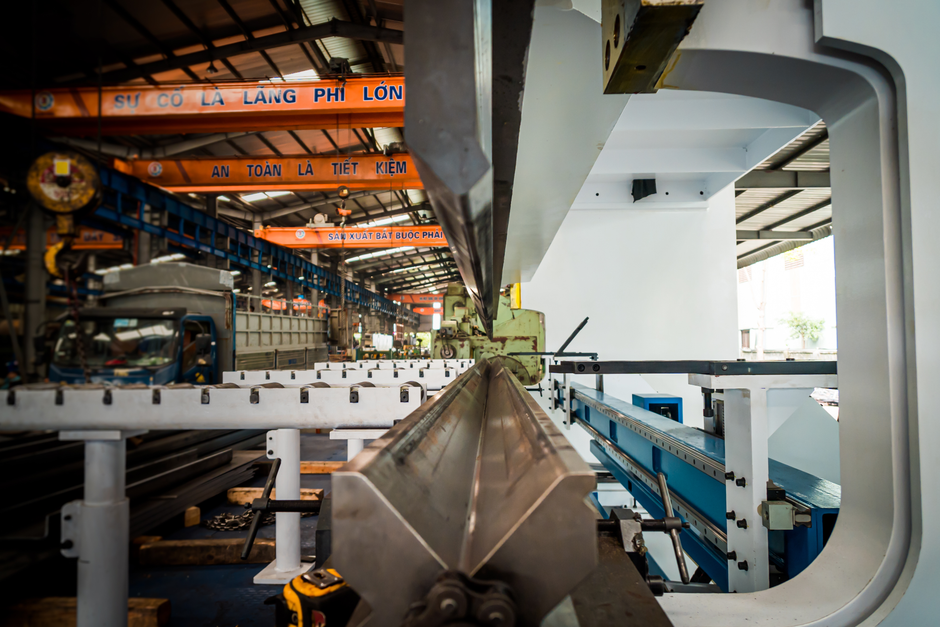
Sheet metal fabrication is an essential process in various industries, including automotive, construction, and manufacturing. This method involves transforming flat sheets of metal into specific shapes and products through various techniques such as cutting, bending, and assembling. Understanding the intricacies of sheet metal fabrication can not only enhance production efficiency but also lead to better product quality. In this article, we will delve into the key aspects of sheet metal fabrication, exploring its processes, applications, and benefits.
Understanding Sheet Metal Fabrication Processes
There are several fundamental processes involved in sheet metal fabrication. These include cutting, bending, and welding. Cutting can be performed using various methods such as laser cutting, plasma cutting, or shearing, each offering different advantages depending on the thickness and type of metal being used.
Bending is another critical process where the metal is deformed along a straight line. Techniques like press braking or roll bending are commonly used to achieve the desired angles and shapes. Finally, welding is essential for assembling parts together, ensuring structural integrity in the final product.
Each of these processes requires specific tools and machinery, and advancements in technology have significantly improved their efficiency and precision. For instance, CNC (Computer Numerical Control) machines allow for automated cutting and bending, reducing human error and increasing production speed.
Applications of Sheet Metal Fabrication
The applications of sheet metal fabrication are vast and varied. In the automotive industry, for example, sheet metal is used to create body panels, frames, and other components. The aerospace sector also relies heavily on fabricated sheet metal for aircraft parts, where lightweight and durable materials are critical.
Moreover, in the construction industry, fabricated sheet metal is used in roofing, siding, and HVAC systems. These applications highlight the versatility of sheet metal fabrication, which can cater to different needs across multiple sectors.
Additionally, industries such as electronics, medical devices, and furniture manufacturing utilize sheet metal fabrication to create components that require precision and durability. The ability to customize specifications during the fabrication process further enhances its applicability across diverse fields.
Benefits of Sheet Metal Fabrication
One of the primary benefits of sheet metal fabrication is its cost-effectiveness. When compared to other manufacturing processes, sheet metal fabrication often results in lower material waste and reduced labor costs, making it an economical choice for businesses.
Another advantage is the ability to produce complex shapes and designs that would be challenging to achieve with other materials or methods. This flexibility enables manufacturers to meet specific client requirements while maintaining high-quality standards.
Moreover, sheet metal fabricated products are known for their strength and durability. Metals like stainless steel and aluminum, commonly used in fabrication, offer excellent resistance to corrosion and wear, ensuring longevity in various applications.
Future Trends in Sheet Metal Fabrication
The sheet metal fabrication industry is continually evolving, with new technologies and trends shaping its future. One notable trend is the increasing adoption of automation and robotics. Automated systems can perform repetitive tasks with high precision, freeing up human workers to focus on more complex and creative aspects of fabrication.
Additionally, the integration of advanced software solutions, such as CAD (Computer-Aided Design) and CAM (Computer-Aided Manufacturing), has revolutionized the planning and execution of fabrication projects. These tools allow for better design visualization and streamlined production processes.
Furthermore, sustainability is becoming a significant focus within the industry. Many manufacturers are exploring eco-friendly materials and practices, aiming to reduce their environmental impact while still delivering high-quality products.
Conclusion
In conclusion, sheet metal fabrication is a vital process that plays a critical role in various industries. By understanding the different fabrication processes, applications, and benefits, businesses can leverage this manufacturing technique to enhance their production capabilities. As technology continues to advance, staying informed about trends in sheet metal fabrication will be essential for companies looking to maintain a competitive edge in the market. For more detailed information, you can explore sheet metal fabrication and its implications for your business.
About the Author