
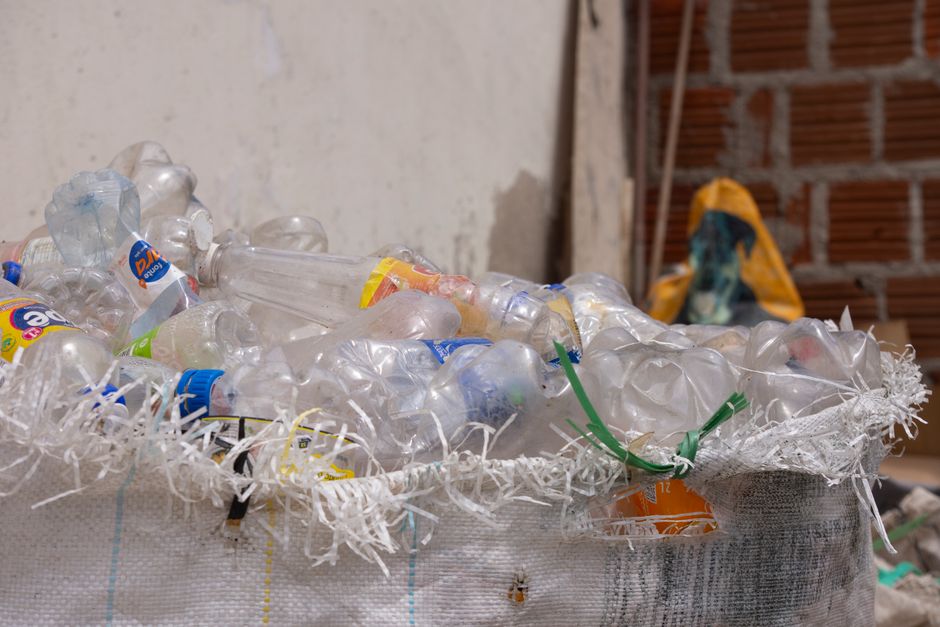
The issue of plastic waste has reached critical levels, with millions of tons of plastic entering our oceans and landfills every year. As awareness of this environmental crisis grows, plastic recycling companies are stepping up to provide innovative solutions. This article explores the various technologies and strategies employed by these companies to address the plastic waste problem while highlighting the importance of sustainable practices in the recycling industry.
Understanding the Plastic Waste Crisis
Plastic waste is one of the most pressing environmental issues of our time. According to the United Nations, around 300 million tons of plastic are produced globally each year, and a significant portion of that ends up as waste. This staggering figure highlights the urgent need for effective recycling solutions. The challenge lies in the fact that not all plastics are created equal; different types require different recycling processes, complicating the overall recycling effort.
Furthermore, studies show that only about 9% of the plastic waste produced has been recycled effectively. This low percentage indicates a systemic failure in recycling infrastructure and highlights the need for more efficient practices. Plastic recycling companies are addressing these challenges by developing advanced technologies and processes that can handle a wider variety of plastic materials.
Innovative Technologies in Plastic Recycling
Many plastic recycling companies are investing heavily in technology to improve their recycling processes. One such innovation is the use of chemical recycling, which breaks down plastics into their original monomers. This method allows for the recycling of contaminated materials that would otherwise be unsuitable for traditional recycling methods. For example, companies like Loop Industries are pioneering this technology, allowing them to recycle PET plastics into high-quality products.
Another promising development is the use of artificial intelligence (AI) and machine learning in sorting and processing recyclable materials. By employing AI-driven systems, recycling facilities can significantly enhance their sorting efficiency, reducing contamination and improving the quality of recycled materials. This technology not only speeds up the recycling process but also lowers operational costs, making it more feasible for companies to engage in sustainable practices.
The Role of Consumer Awareness
Consumer behavior plays a crucial role in the success of plastic recycling initiatives. As individuals become more conscious of their plastic consumption and the impact it has on the environment, they are increasingly seeking out products from responsible plastic recycling companies. This shift in consumer attitudes can drive demand for sustainable products and encourage companies to adopt better practices.
Moreover, educational campaigns aimed at raising awareness about the importance of recycling and proper waste disposal can significantly impact recycling rates. Companies that prioritize transparency and engage with their customers regarding their recycling processes often build stronger brand loyalty. For instance, many brands now provide information about their sustainability efforts and how consumers can contribute to reducing plastic waste.
Policy and Regulation: A Driving Force
Government policies and regulations can also significantly influence the effectiveness of plastic recycling initiatives. Many countries are implementing stricter regulations on plastic production and waste management, encouraging companies to adopt sustainable practices. For example, the European Union has set ambitious targets for reducing single-use plastics and increasing recycling rates.
Plastic recycling companies that align their operations with these regulations not only contribute to environmental sustainability but also position themselves favorably in the market. Compliance with regulations can lead to benefits such as tax incentives, grants, and enhanced public perception, ultimately driving business growth.
Conclusion: A Collaborative Effort for a Sustainable Future
The future of plastic recycling hinges on collaboration between industry, consumers, and policymakers. As plastic recycling companies innovate and improve their processes, it is essential for consumers to support these efforts by choosing sustainable products and practicing responsible waste disposal. Additionally, effective policies that encourage recycling and reduce plastic production are vital for driving systemic change.
In conclusion, the plastic recycling industry is at a pivotal moment. By harnessing technology, promoting consumer awareness, and advocating for supportive policies, we can pave the way for a more sustainable future. The role of a plastic recycling company in this ecosystem is crucial, as they not only help mitigate the plastic waste crisis but also inspire a broader movement towards sustainability.
For those interested in understanding the dynamics of this industry, exploring the services of a plastic recycling company can provide valuable insights into the innovations shaping our environmental landscape.
About the Author