
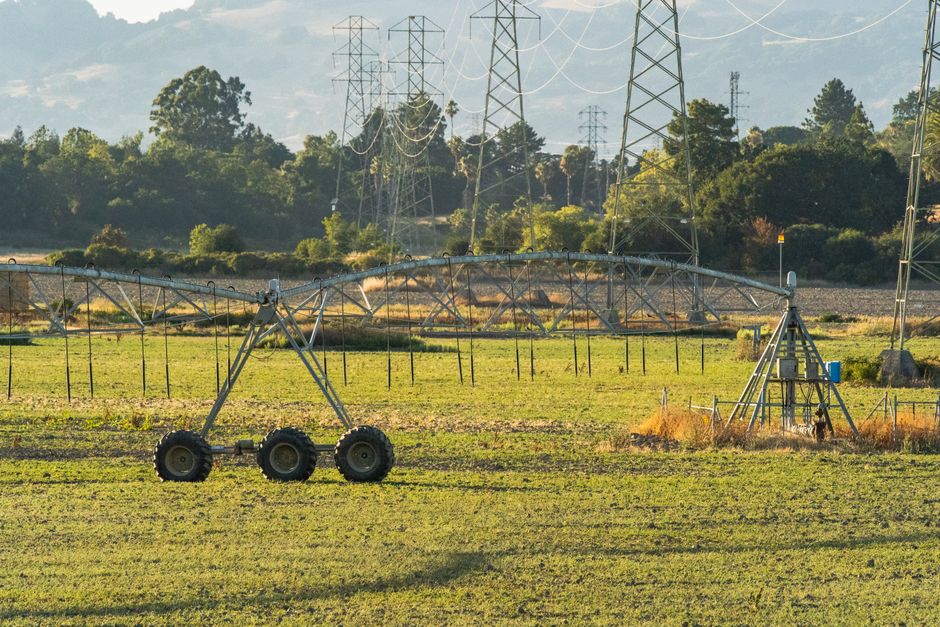
In the ever-evolving world of agriculture, the role of irrigation systems has become increasingly significant. As global populations rise and climate change impacts water availability, efficient irrigation methods are essential for sustainable farming. This article explores the various types of irrigation systems, their benefits, and how they can be optimized for better agricultural productivity.
Understanding Different Types of Irrigation Systems
Irrigation systems can be broadly classified into several categories. The most common types include surface irrigation, drip irrigation, and sprinkler irrigation. Surface irrigation involves the direct application of water to the soil surface, utilizing gravity to distribute water across the field. While this method is straightforward, it may lead to uneven water distribution and soil erosion if not managed properly.
On the other hand, drip irrigation is a more advanced technique that delivers water directly to the plant roots through a network of tubing and emitters. This method conserves water and minimizes evaporation, making it highly efficient, especially in arid regions. According to a study by the Food and Agriculture Organization, drip irrigation can reduce water usage by up to 60% compared to traditional methods.
Lastly, sprinkler irrigation mimics natural rainfall by distributing water through a system of pipes and nozzles. It is versatile and can be used in various terrains. However, it may lead to water loss due to evaporation and wind drift, making it less efficient than drip irrigation in some scenarios.
The Benefits of Modern Irrigation Systems
Modern irrigation systems offer numerous benefits that can significantly enhance agricultural productivity. One of the most notable advantages is the ability to conserve water. With the increasing scarcity of freshwater resources, efficient irrigation systems like drip irrigation allow farmers to use water more judiciously, ensuring that crops receive the necessary hydration without wastage.
Additionally, these systems can improve crop yields. By delivering water directly to the root zone, plants can absorb nutrients more effectively, leading to healthier growth and higher productivity. A report from the International Water Management Institute highlights that farms utilizing advanced irrigation techniques can see yield increases of 20-50%.
Moreover, modern irrigation systems can reduce labor costs. Automation technologies, such as smart irrigation controllers, can monitor soil moisture levels and adjust watering schedules accordingly. This not only saves time for farmers but also ensures that crops receive optimal water supply.
Challenges and Solutions in Implementing Irrigation Systems
Despite the clear benefits, the implementation of irrigation systems is not without challenges. One major hurdle is the initial investment cost. Farmers may be deterred by the high upfront costs associated with installing advanced irrigation technologies. However, various financial assistance programs and grants are available to help offset these costs.
Another challenge is the maintenance of irrigation systems. Regular upkeep is essential to ensure optimal performance and avoid issues such as clogs in drip lines or leaks in pipes. Farmers should be educated on proper maintenance practices to prolong the lifespan of their systems. Training programs and resources from agricultural extension services can play a crucial role in this regard.
Lastly, environmental considerations must be taken into account. Over-irrigation can lead to waterlogging and salinization of soil, which can adversely affect crop health. Implementing advanced monitoring tools, such as soil moisture sensors, can help farmers apply the right amount of water at the right time, minimizing environmental impacts.
Innovations Shaping the Future of Irrigation
The future of irrigation systems looks promising, with several innovations on the horizon. Technologies such as precision agriculture, which utilizes data analytics and IoT devices, are transforming how water is managed on farms. Farmers can now make data-driven decisions that enhance water efficiency and crop performance.
Moreover, the integration of renewable energy sources, such as solar-powered pumps, is becoming increasingly popular. These systems reduce dependency on fossil fuels and lower operational costs, making irrigation more sustainable in the long run. A study by the World Bank suggests that solar irrigation could potentially double the number of farmers who can access irrigation.
Additionally, the use of artificial intelligence in irrigation management is gaining traction. AI algorithms can analyze weather patterns, soil conditions, and crop needs, allowing for more precise irrigation scheduling. This not only conserves water but also maximizes crop yields, ultimately leading to more sustainable farming practices.
Conclusion
As the demand for food continues to rise amid the challenges posed by climate change and water scarcity, the importance of efficient irrigation systems cannot be overstated. By understanding the various types of irrigation systems, recognizing their benefits, and tackling the challenges associated with their implementation, farmers can significantly enhance productivity and sustainability. Embracing innovations in this field, including advanced technologies and renewable energy solutions, will be crucial in shaping the future of agriculture. For further insights and studies on the evolution of irrigation systems, the irrigation system research can provide valuable information.
About the Author