
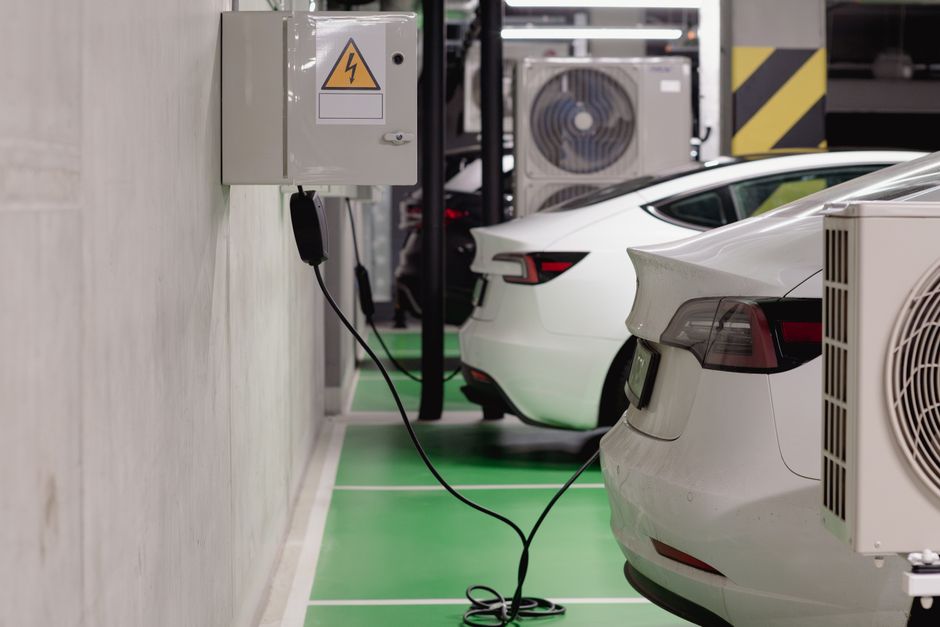
The electric vehicle (EV) market is experiencing unprecedented growth, driven by the need for sustainable transportation and the push for reduced carbon emissions. As major automotive brands shift their focus towards electrification, one crucial aspect that is often overlooked is the role of EV battery suppliers. These suppliers are the backbone of the EV industry, providing the essential components that power electric vehicles. Understanding the dynamics of this supply chain is vital for stakeholders, from manufacturers to consumers.
The Role of EV Battery Suppliers
EV battery suppliers are responsible for producing the batteries that power electric vehicles. The quality, efficiency, and cost of these batteries directly influence the performance and marketability of EVs. Major suppliers invest heavily in research and development to improve battery technology, focusing on increasing energy density, reducing charging times, and extending battery life. This innovation is crucial as consumers demand better performance from electric vehicles.
For instance, companies like Panasonic and LG Chem have been at the forefront of battery technology advancements. Their ongoing R&D efforts have led to significant improvements in lithium-ion batteries, which are currently the most common type used in electric vehicles. As the demand for EVs increases, the role of these suppliers will become even more critical in ensuring a stable and efficient supply chain.
Market Dynamics and Competition
The EV battery market is highly competitive, with numerous players vying for dominance. As of 2021, the global EV battery market was valued at approximately $24 billion and is projected to grow significantly over the coming years. This growth has attracted new entrants, including startups and established tech companies looking to carve out a niche in the battery supply chain.
Competition among suppliers has led to innovations in battery chemistry, such as the development of solid-state batteries, which promise higher energy densities and improved safety. Companies are also exploring alternative materials to reduce reliance on scarce resources like cobalt. The push for sustainability in battery production is reshaping the landscape of EV battery suppliers, making it essential for companies to adapt to these changes.
Impact of Geopolitics on Battery Supply Chains
The geopolitical landscape significantly affects the supply chains of EV batteries. Many of the raw materials required for battery production, such as lithium, nickel, and cobalt, are concentrated in specific regions. For instance, a large percentage of the world’s lithium is sourced from Australia and South America, while cobalt is primarily mined in the Democratic Republic of the Congo.
Political instability in these regions can lead to supply disruptions, impacting the availability and cost of batteries. Furthermore, trade tensions and tariffs can complicate the global supply chain, forcing manufacturers to reassess their sourcing strategies. Companies are increasingly looking to diversify their supply chains to mitigate risks associated with geopolitical uncertainties.
The Future of EV Battery Suppliers
Looking ahead, the future of EV battery suppliers is promising yet challenging. As the demand for electric vehicles continues to rise, suppliers must scale up their production capabilities to meet this demand. This includes investing in new manufacturing facilities and adopting automation technologies to enhance efficiency.
Moreover, the industry is witnessing a shift towards localizing supply chains. Many manufacturers are exploring opportunities to produce batteries closer to their assembly plants to reduce logistics costs and improve response times to market demands. This trend is evident in initiatives like the European Union’s push to establish a self-sufficient battery supply chain.
In this evolving landscape, partnerships will play a crucial role. Collaborations between automakers and battery suppliers can facilitate knowledge sharing and drive innovation. For example, Tesla’s partnerships with companies like Panasonic have been instrumental in developing advanced battery technologies that enhance vehicle performance.
Conclusion
In conclusion, EV battery suppliers are integral to the success of the electric vehicle market. As the industry evolves, these suppliers will face numerous challenges and opportunities. The ongoing innovation in battery technology, coupled with the need for sustainable practices and resilient supply chains, will shape the future of this sector. Stakeholders must keep a close eye on the developments within the EV battery supply chain to leverage potential growth opportunities. To explore more about the leading players in this market, check out this EV battery supplier list.
About the Author